What's The Big News?
Alright, let's cut straight to it. If you've been eyeing a new Maruti Suzuki, whether it's an Alto, a Swift, or even a Grand Vitara, here's some news you won't like: prices are going up. Maruti Suzuki, India's largest automaker, is planning to hike prices across its entire lineup by up to ₹30,000, and this change is expected to kick in from August 2024.
This isn't just a minor adjustment; for a segment where every thousand rupees counts, a ₹30,000 jump is significant. It's going to affect everything from their entry-level hatchbacks to their premium SUVs, making your favourite models that little bit pricier. So, if you were on the fence, now might be the time to make that call.
Why Are Prices Going Up (Again)?
Look, car manufacturers don't just hike prices because they feel like it. Maruti Suzuki, like most players in the industry, has been battling rising input costs for a while now. We're talking about everything from steel and aluminium to semiconductors – all these components have seen their prices surge globally. Adding to that, the constant updates required for regulatory compliance, especially with stricter emission norms and safety standards, also pile on the expenses.
Passing on these increased costs to the consumer is a pretty standard industry practice. They've absorbed some of it, sure, but there comes a point where it's no longer sustainable for their bottom line. So, while it's tough news for us buyers, it's a move Maruti says is necessary to maintain profitability and continue investing in new models and technologies. It's a business decision, plain and simple, aimed at balancing their books.
Impact on the Budget Buyer and Market Dynamics
Here's the thing — this price hike hits the budget-conscious buyer the hardest. For someone saving up for years to buy their first car, say a WagonR or a Celerio, an extra ₹20,000 or ₹30,000 can be a deal-breaker. That's a lot of fuel money, or a substantial chunk of their EMI, especially for models that already sit around the ₹5-8 lakh mark.
This move also changes the value proposition of several Maruti cars. Suddenly, a mid-spec Swift, which was already a bit pricey, feels even more so. It might push potential buyers to consider slightly cheaper variants, or even look at what rivals like Tata, Hyundai, or even Mahindra are offering in a similar price bracket. It forces a re-evaluation, and honestly, that's never a fun exercise when you've set your heart on a particular car. It could even drive some buyers towards the used car market, where their budget might stretch further.
Specs At A Glance
Feature | Detail |
|---|---|
Effective From | August 2024 (expected) |
Maximum Hike | Up to ₹30,000 |
Models Affected | Across various Maruti Suzuki models (entry-level to premium) |
Reason Cited | Increased input costs, regulatory compliance requirements |
How Does It Stack Up Against The Competition?
Now, this is where it gets interesting. Maruti's biggest strength has always been its perceived value, reliability, and widespread service network. But with prices creeping up, their models might start bumping shoulders with rivals that offer slightly more in terms of features, safety, or even a more premium feel for a similar price.
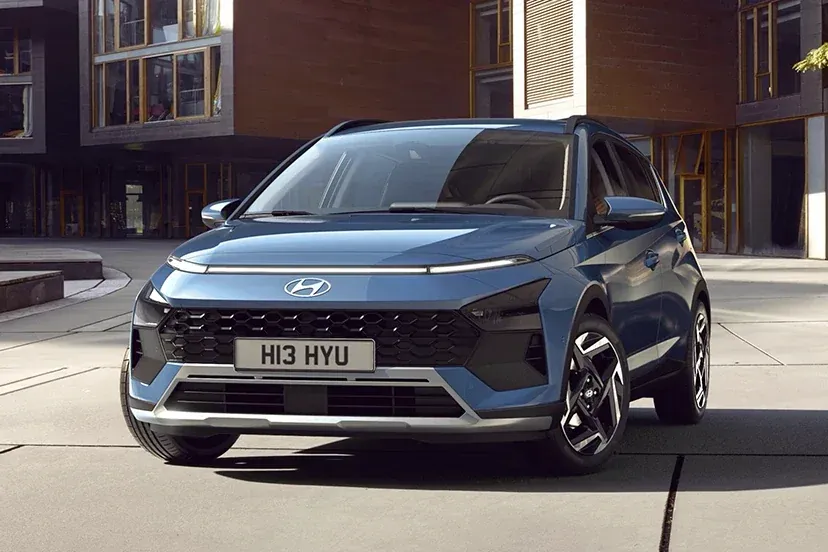
Think about the Tata Punch or the Hyundai Exter; they're already giving Maruti's compact hatchbacks and micro-SUVs a tough fight. If a Baleno or a Fronx becomes significantly pricier, buyers might just decide to shell out a little more for a car like the Tata Nexon, which often boasts higher safety ratings and more features, or even a Hyundai i20. The gap between Maruti's offerings and its competitors in terms of pricing is narrowing, and that puts more pressure on Maruti to justify the increased cost with tangible benefits, not just brand loyalty. It's a competitive market out there, and every rupee counts.
The Good And The Not-So-Good
What We Like
- Potentially allows Maruti to invest more in future R&D and new models.
- Could signal improved component quality or better safety tech in the long run (though not guaranteed with this hike).
- Helps Maruti maintain healthy profit margins in a tough economic climate.
What Could Be Better
- Directly impacts the affordability, especially for first-time or budget buyers.
- Reduces the perceived value-for-money proposition of several models.
- Might push customers towards competitors who haven't hiked prices as steeply, or towards the used car market.
- Adds to the overall cost of car ownership in India.
Price & When You Can Buy It
So, when can you expect these changes? The buzz is that Maruti Suzuki will implement these price revisions from August 2024. The hike will be 'up to ₹30,000', which means some models might see a smaller increase, while others will hit that maximum ceiling. Official model-specific figures are yet to be revealed, but we'll definitely keep you updated once Maruti makes the full announcement.
If you've been planning to buy a Maruti, and you want to lock in the current prices, you probably have a short window till the end of July. It's always best to check with your local dealership for the most accurate and immediate information on current stock and potential delivery timelines before the new prices kick in.
Our Verdict
Honestly, this price hike, while perhaps unavoidable for Maruti Suzuki given the industry's economic pressures, is a tough pill to swallow for the average Indian car buyer. Maruti's strength has always been its ability to offer reliable, fuel-efficient cars at an accessible price point. When those prices go up, that core advantage starts to erode, pushing potential customers to reconsider their options.
While it's necessary for the company's financial health, it puts more pressure on them to innovate and offer even better value in their future products to justify these increasing costs. For us enthusiasts and for those saving every penny, it means we'll be scrutinising every spec sheet and every showroom offer even more closely. It’s a competitive segment, and value for money remains king, even for a brand as strong as Maruti.