
E20 (Ethanol) Compatible Cars in India
The complete, up-to-date list of E20 compatible cars in India, covering models built to run on petrol blended with up to 20% ethanol. Check which ethanol-ready cars fit your budget, their price, engine and mileage, all in one place.
What is E20 fuel and why does compatibility matter?
E20 is petrol blended with 20% ethanol, a cleaner, home-grown biofuel that cuts crude-oil imports and tailpipe emissions. India is rolling out E20 petrol nationwide, which makes buying an E20 ready car important for future-proofing your purchase. An E20-compatible engine has fuel-system parts, seals and engine mapping designed for higher ethanol content, so you get smooth performance and long engine life on ethanol-blended petrol.
You will see these vehicles described in many ways: ethanol cars, ethanol compatible cars, E20 cars, flex-fuel cars or bio-ethanol cars. They all share an engine built to run on ethanol-blended petrol instead of pure petrol. In India the focus today is E20, with flex-fuel (E85) cars that can run on up to 85% ethanol expected to arrive next, so an ethanol-ready car keeps you ready for both.
- Runs on E20, E10 & normal petrolFully backward compatible, so you can fill up anywhere.
- Cleaner & greenerLower emissions and reduced oil imports.
- Engineered for ethanolProtected fuel system and tuned calibration.
List of E20 & Ethanol Compatible Cars in India
Every ethanol-compatible model in our database. Tap any car for full specs, variants and on-road price.
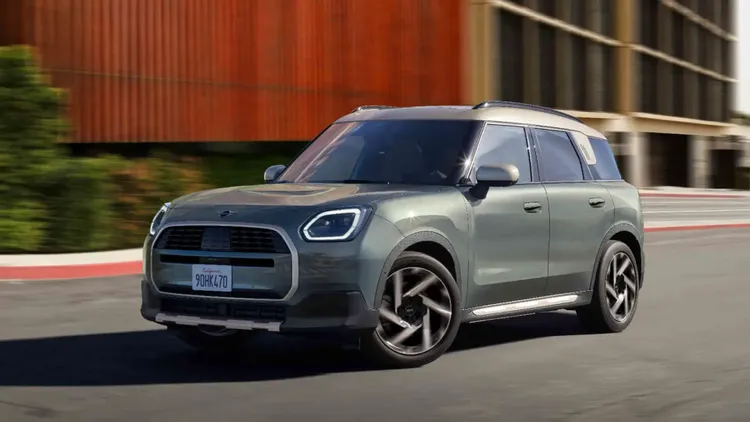 E20 Ready
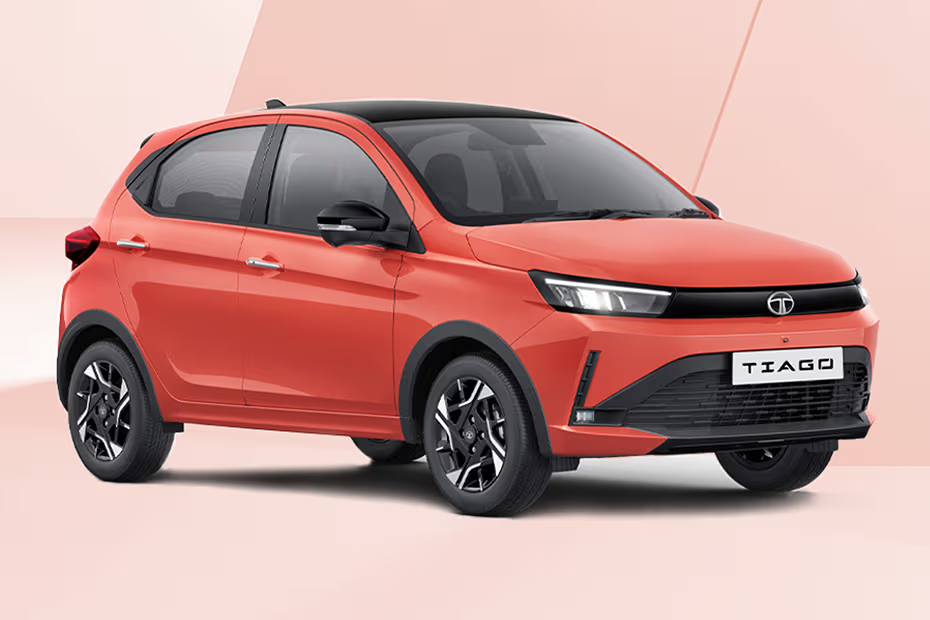 E20 Ready
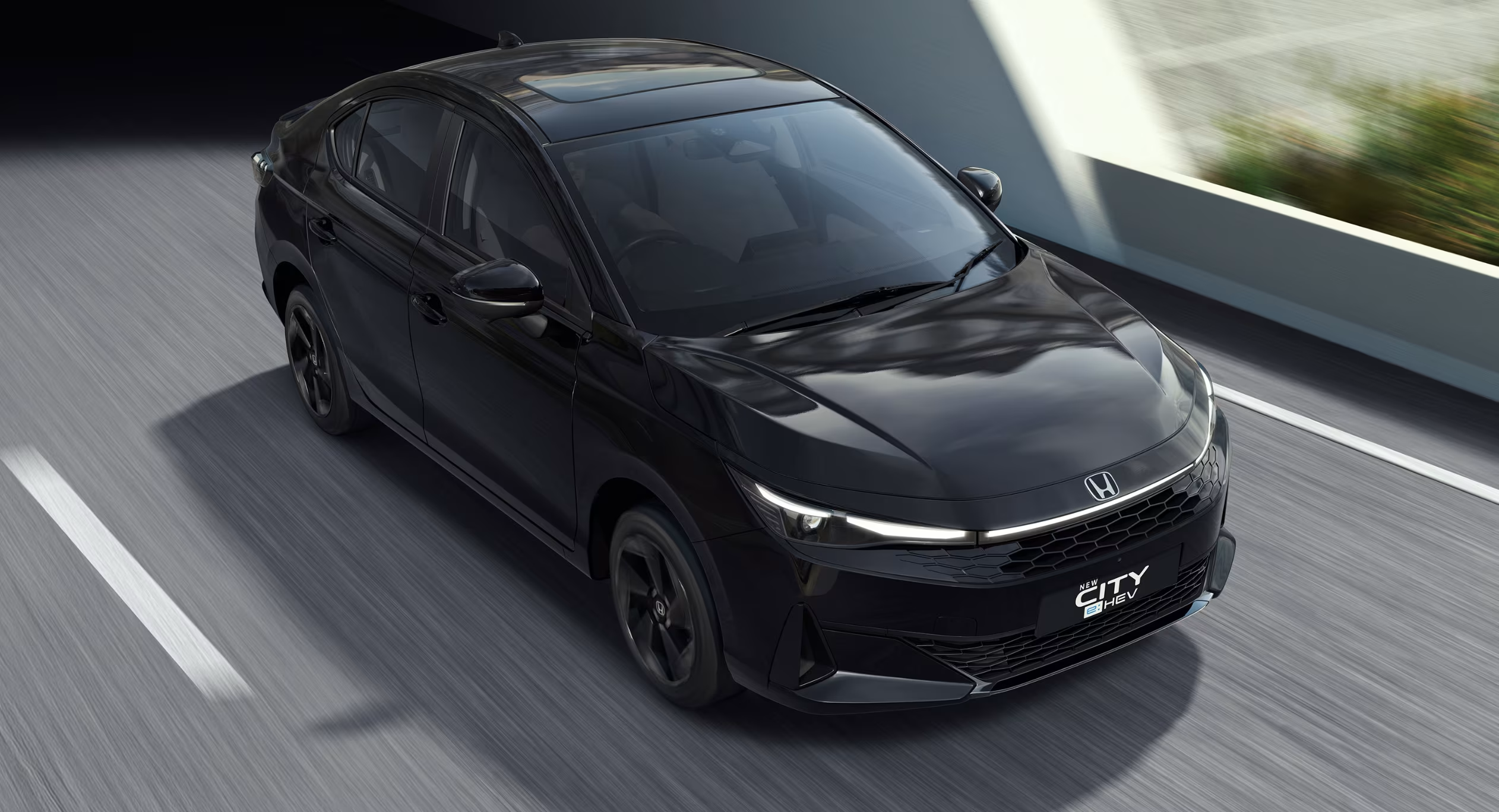 E20 Ready
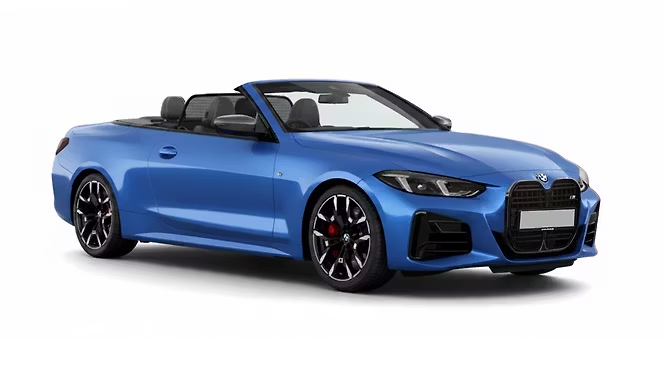 E20 Ready
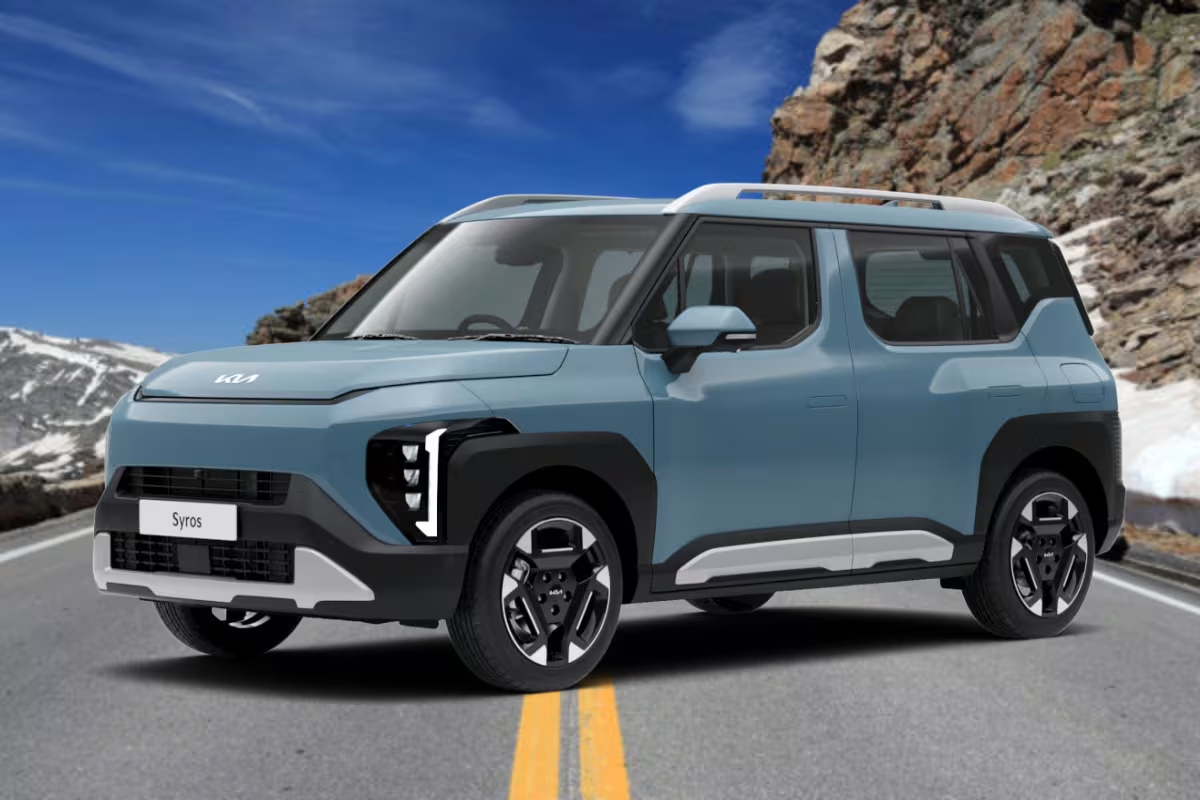 E20 Ready
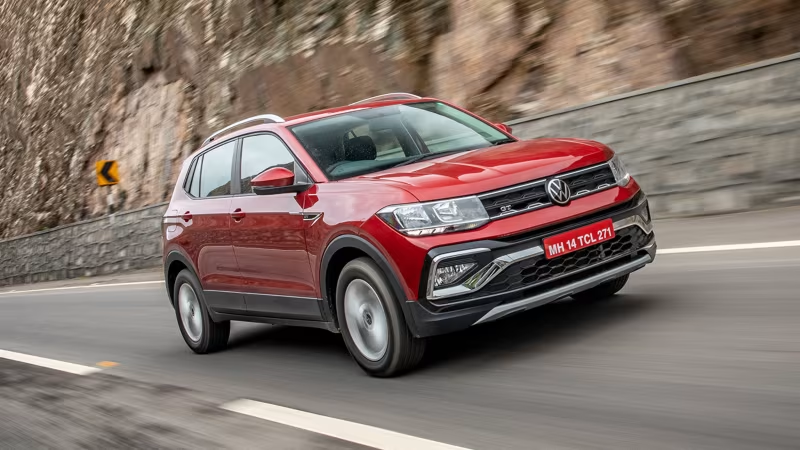 E20 Ready
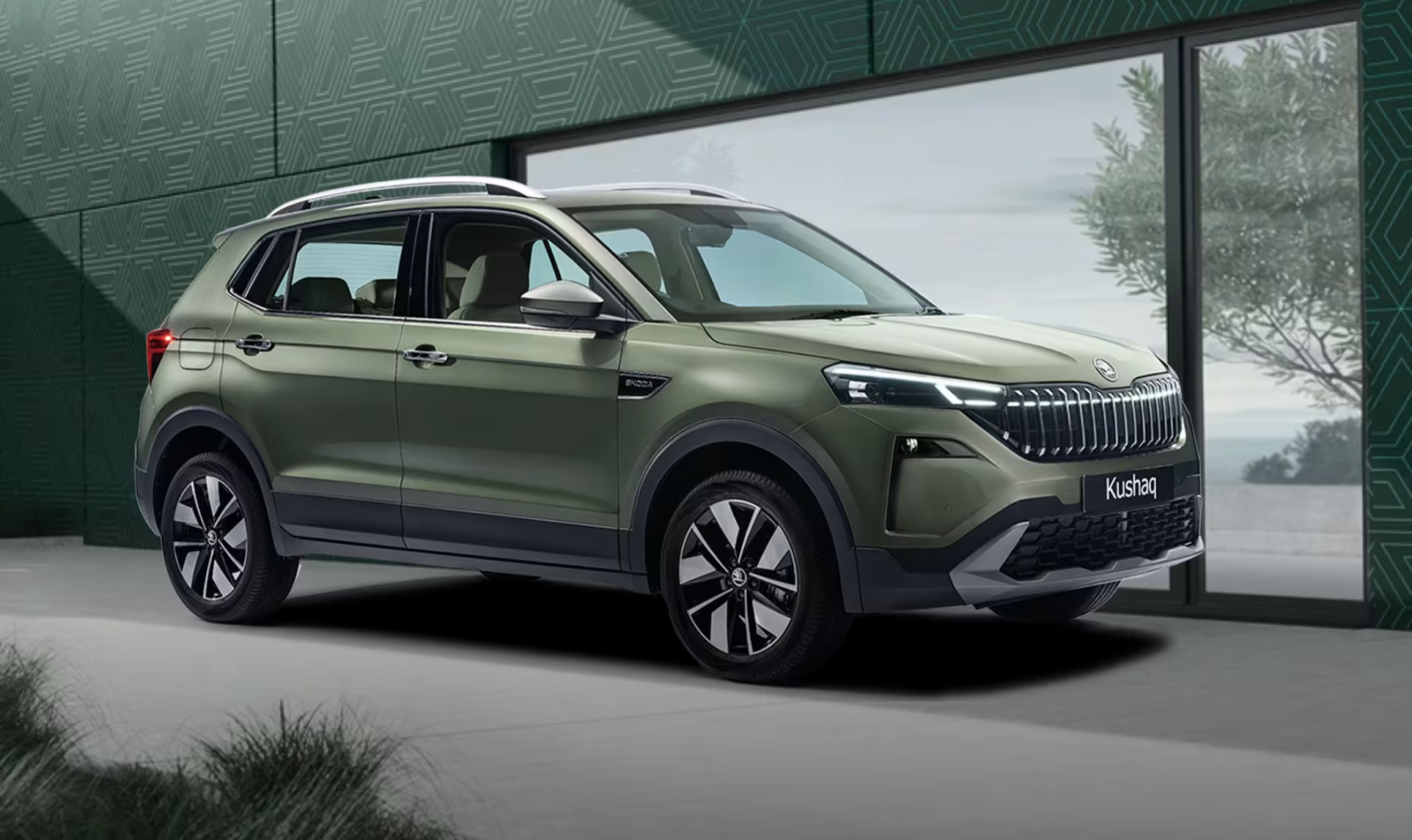 E20 Ready
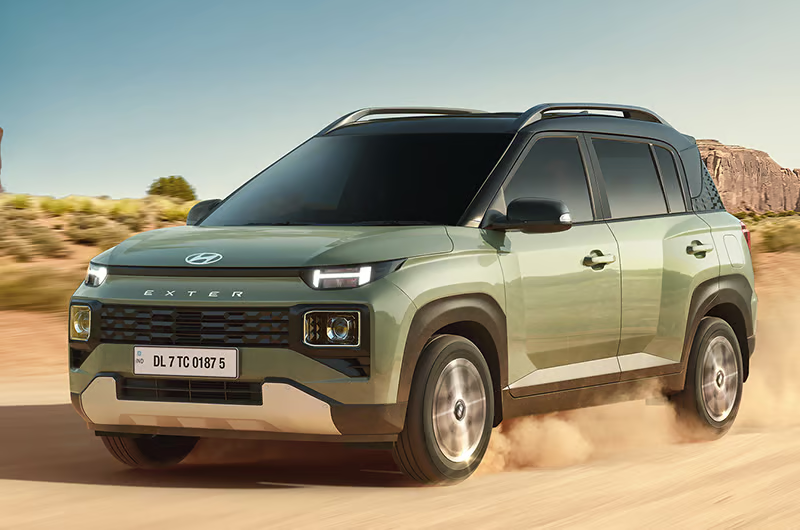 E20 Ready
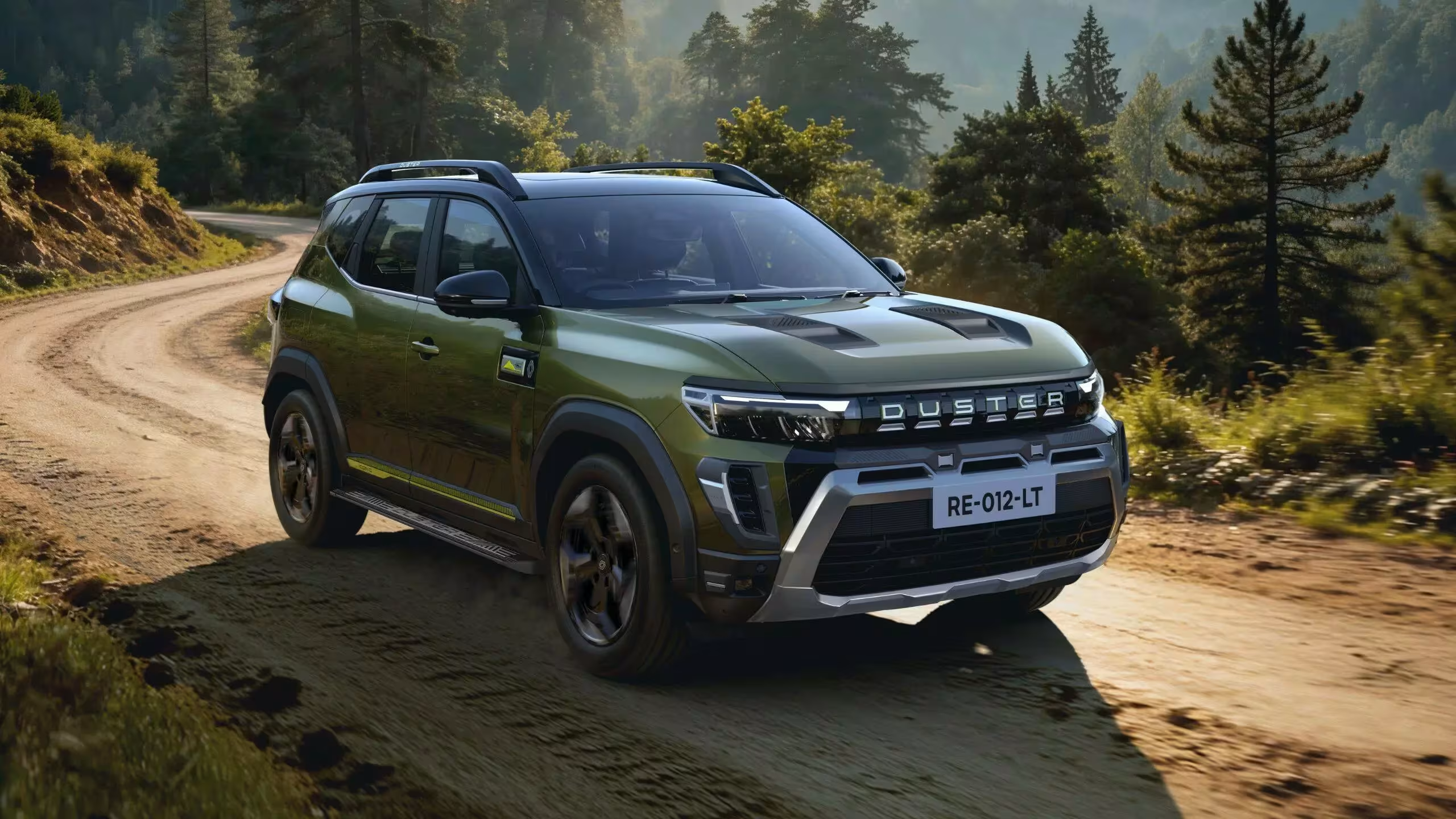 E20 Ready
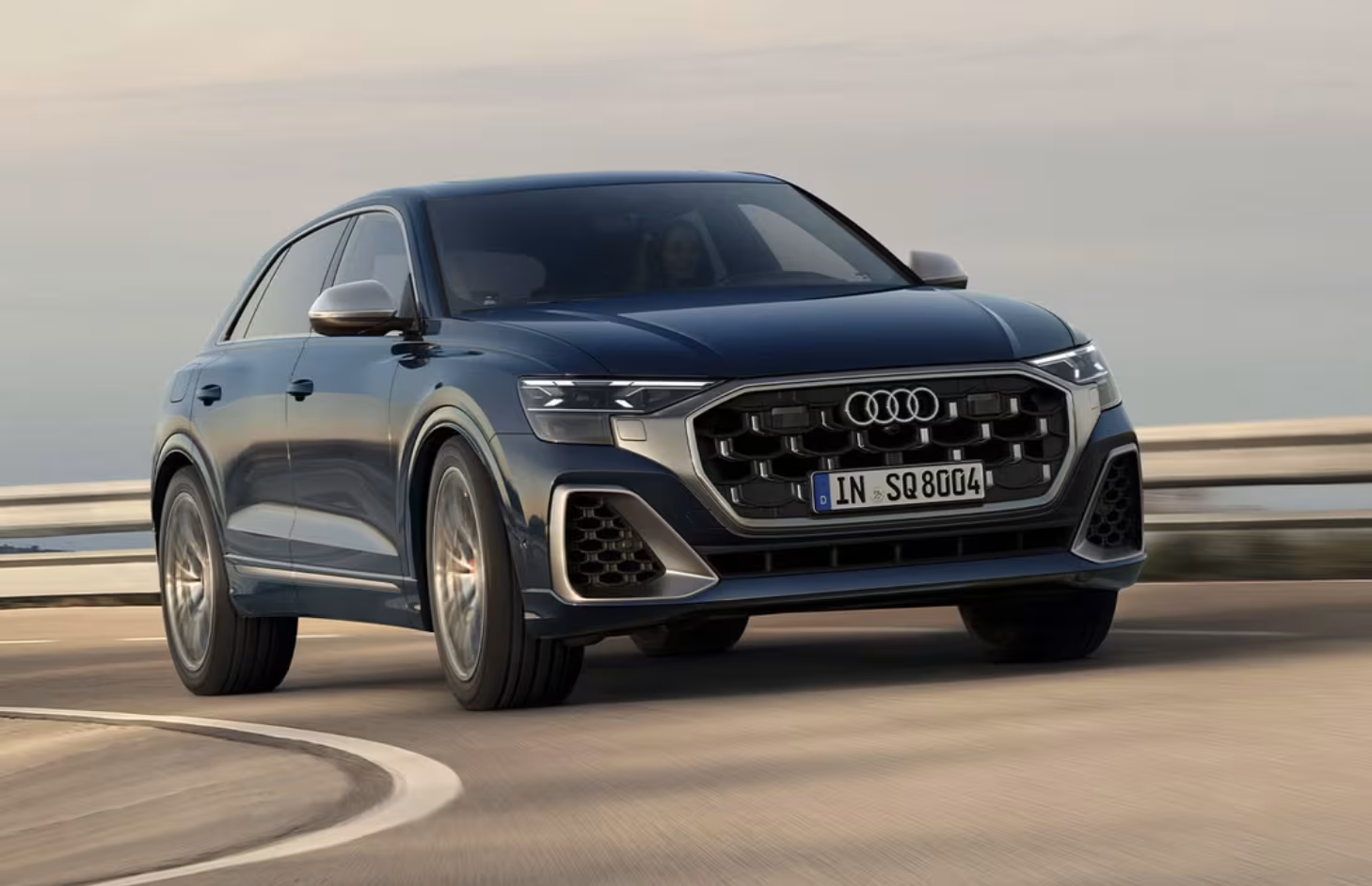 E20 Ready
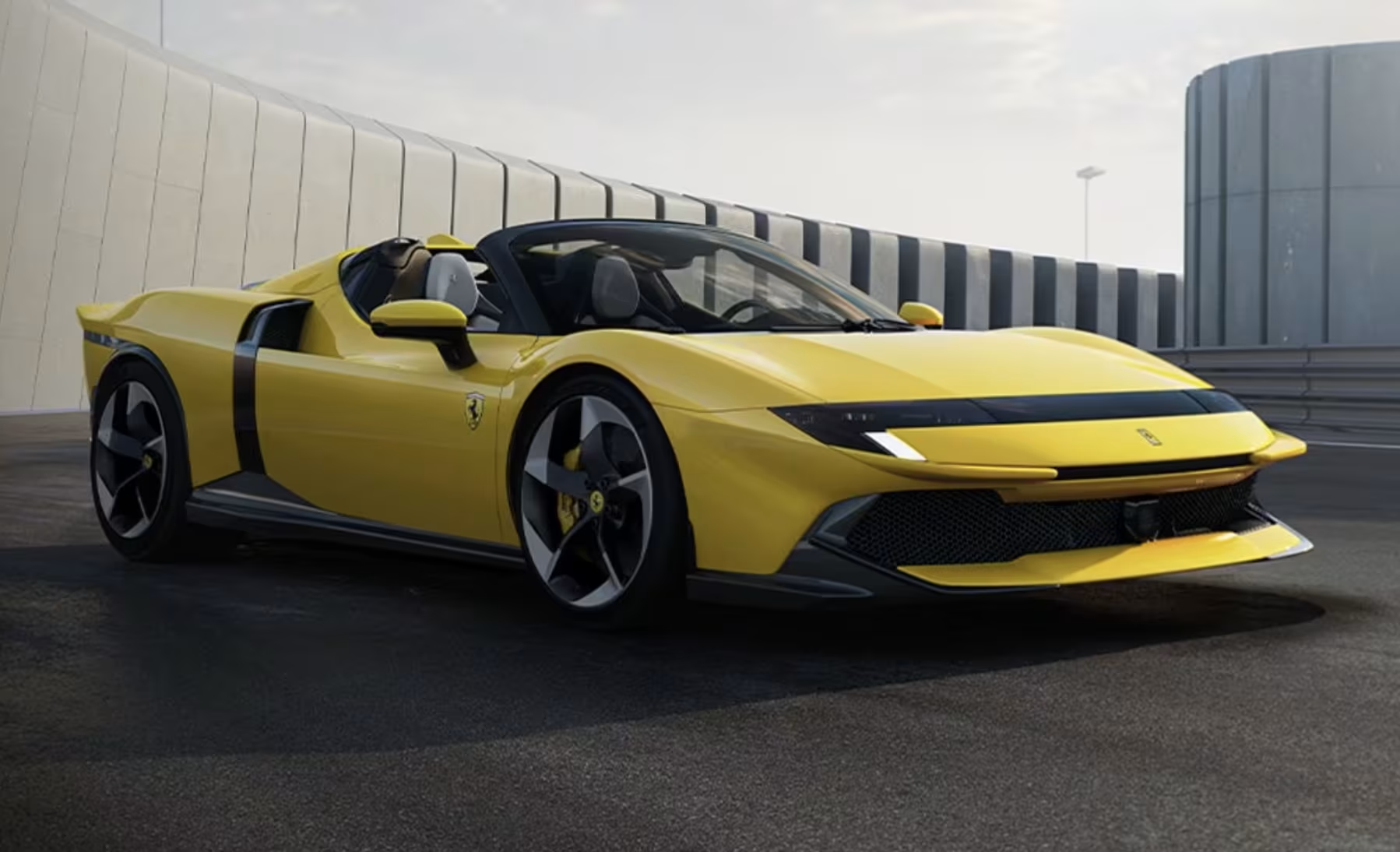 E20 Ready
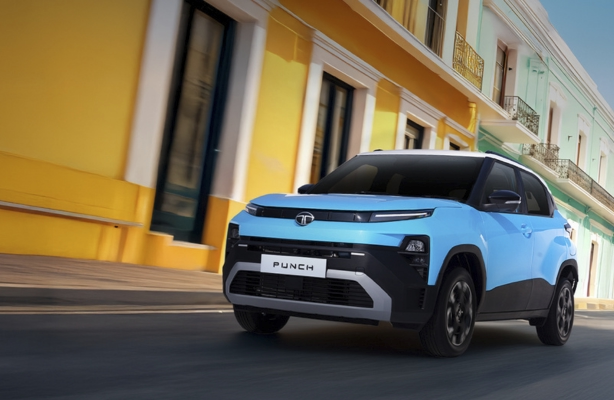 E20 Ready
E20 Compatible Cars: Frequently Asked Questions
What are E20 compatible cars?
E20 compatible cars are vehicles whose engine and fuel system are engineered to run safely on E20 fuel, which is petrol blended with up to 20% ethanol. Their fuel lines, seals, injectors and engine calibration are tuned for the higher ethanol content, so you get reliable performance without long-term damage.
Which cars are E20 compatible in India?
Most cars launched in India from April 2023 onwards are E20 ready, and many brands including Maruti Suzuki, Hyundai, Tata, Toyota, Kia and Mahindra now offer E20-compatible models. The full, up-to-date list of E20-compatible cars is shown on this page.
Does E20 petrol reduce mileage?
Ethanol has slightly lower energy than pure petrol, so a small mileage drop (typically 1 to 6%) is possible. Cars that are specifically E20 compatible are calibrated to minimise this difference, so the real-world impact is usually small.
Can E20-compatible cars run on normal petrol?
Yes. E20-compatible cars are backward compatible and run perfectly on regular petrol and E10 (10% ethanol) fuel as well, so you can fill up at any pump without worry.
Is E20 fuel safe for my car?
E20 fuel is completely safe for E20-compatible vehicles. Using E20 in an older car that is not E20 compatible can, over time, affect rubber and metal fuel-system parts, so it is best to check your car’s compatibility first.
How do I know if my car is E20 compatible?
Check your owner’s manual, the sticker near the fuel-filler cap, or the manufacturer’s specification sheet, as many now state “E20 Compatible”. You can also look up your exact model in the list on this page.
What is the difference between E20 and E85 flex-fuel cars?
E20 cars run on petrol with up to 20% ethanol, which is the blend being rolled out across India now. E85 flex-fuel cars can run on up to 85% ethanol and automatically adapt to whatever blend is in the tank. India is moving from E20 towards flex-fuel (E85) vehicles, so both matter when you are buying an ethanol car.
Are there flex-fuel and ethanol cars available in India?
Yes. Alongside E20 compatible cars, several manufacturers have showcased and started launching flex-fuel (E85) cars in India that run on high ethanol blends. As the ethanol programme expands, more ethanol and flex-fuel cars are expected to go on sale.
Can I put ethanol-blended petrol in a regular car?
You can safely use E20 or E10 ethanol-blended petrol in any E20 compatible car. Older cars not designed for ethanol can handle low blends, but continuous use of high-ethanol fuel in a non-compatible or older car can affect rubber and metal fuel-system parts over time.