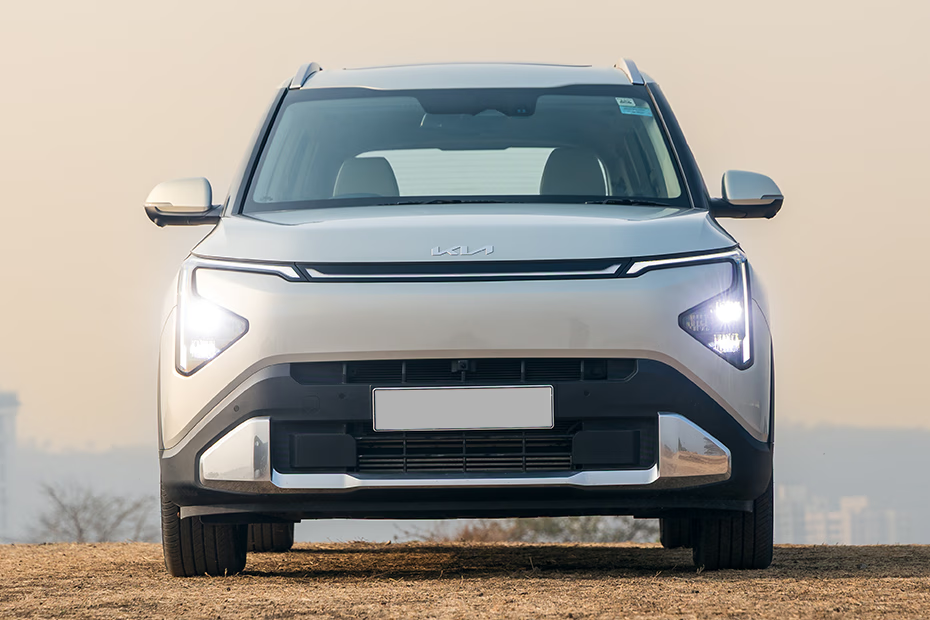
What's The Big News?
Alright, folks, gather 'round because Kia's just dropped a bombshell on their India strategy, and it’s a big one. For years, Kia has been a disruptor in the SUV and premium hatchback segments, giving established players a real run for their money. Now, they're not just looking to consolidate; they're aiming for full market domination, targeting every fuel type under the sun.
We're talking about a comprehensive plan to introduce hybrids, dedicated electric vehicles, and even CNG cars into their India lineup. This isn't just about launching one or two new models; it's a complete shift in approach, acknowledging India's unique demand for diverse powertrain options. It's a clear signal that Kia wants a piece of every pie, from green tech enthusiasts to budget-conscious commuters.
Kia's Triple Threat: Hybrid, EV, and CNG Deep Dive
Let's break down this ambitious strategy. First up, Hybrids. This is a smart move, tapping into a segment that Maruti and Toyota have largely cornered. Indian buyers are increasingly looking for fuel efficiency, but without the range anxiety or charging infrastructure concerns of pure EVs. A strong hybrid offering, perhaps in a popular segment like a Seltos or Sonet, could be a game-changer for Kia. We're expecting a focus on strong hybrids, which genuinely boost mileage, unlike some mild-hybrid systems that barely make a difference.
Then there are the Electric Vehicles (EVs). Kia already has the EV6, but that's a niche, premium offering. This new push suggests more mainstream EVs are on the horizon, likely built on platforms tailored for India or adapted from global small EV architectures. Think electric versions of their popular models, or even brand-new, purpose-built EVs designed to compete with the likes of Tata Nexon EV and Mahindra XUV400. Pricing these right will be key, as Indian buyers are sensitive to the initial cost, even with the promise of lower running expenses.
And finally, the curveball — CNG cars. Honestly, this shows Kia is serious about volume. While hybrids and EVs target the future, CNG addresses a massive, immediate demand for affordable, low-running-cost vehicles, especially in the entry-level and mid-range segments. Maruti has practically built an empire on CNG, and Hyundai isn't far behind. Kia entering this space, perhaps with a Sonet or even a new compact sedan, could shake things up significantly. It means they're not just chasing the premium buyer; they're going after the everyday Indian commuter, too (and honestly, it shows).
The Strategic Play: Why Now for Kia?
You know, for years, Kia's focus was on establishing its premium image with feature-packed SUVs like the Seltos and Sonet. And they did a fantastic job. But the Indian market is evolving rapidly. Fuel prices are volatile, and environmental consciousness is growing, driving demand for greener alternatives. At the same time, the need for economical transport, especially for fleet operators and city dwellers, keeps the CNG segment booming.
This broad spectrum approach means Kia isn't putting all its eggs in one basket. They're hedging their bets, preparing for a future where diverse fuel options coexist. It's also about increasing market share. By offering something for everyone – from the environmentally-conscious urbanite to the cost-savvy daily driver – Kia aims to tap into segments they've largely ignored until now. We feel this comprehensive strategy will make them a far more formidable player, putting serious pressure on rivals across multiple categories. It's about securing their position for the long haul in one of the world's most competitive markets.
Specs At A Glance
Powertrain Type | Key Characteristic | Expected Applications |
|---|---|---|
Hybrid (Strong) | Enhanced fuel efficiency, lower emissions | Likely in compact SUVs and sedans (e.g., Seltos, Sonet-sized vehicles) |
Electric (EV) | Zero tailpipe emissions, instant torque | Compact SUVs, potentially dedicated EV platforms |
CNG | Low running costs, dual-fuel capability | Entry-level compact SUVs, possibly new sedan/hatchback offerings |
How Does It Stack Up Against The Competition?
This move positions Kia to directly challenge established players across multiple fronts. In the hybrid segment, they'll go head-to-head with Maruti Suzuki and Toyota, who currently dominate with models like the Grand Vitara, Hyryder, and Innova Hycross. Kia's hybrids will need to offer compelling fuel economy and perhaps better features to sway buyers, as Maruti-Toyota have built immense trust here.
For EVs, the battle is against Tata Motors, the undisputed leader with the Nexon EV and tiago-ev">Tiago EV, and Mahindra's XUV400. Kia will need competitive pricing and a robust charging network strategy to make a dent. Their current EV6 is great, but it's a different league. Mainstream EVs from Kia would truly shake up this budget-friendly segment.
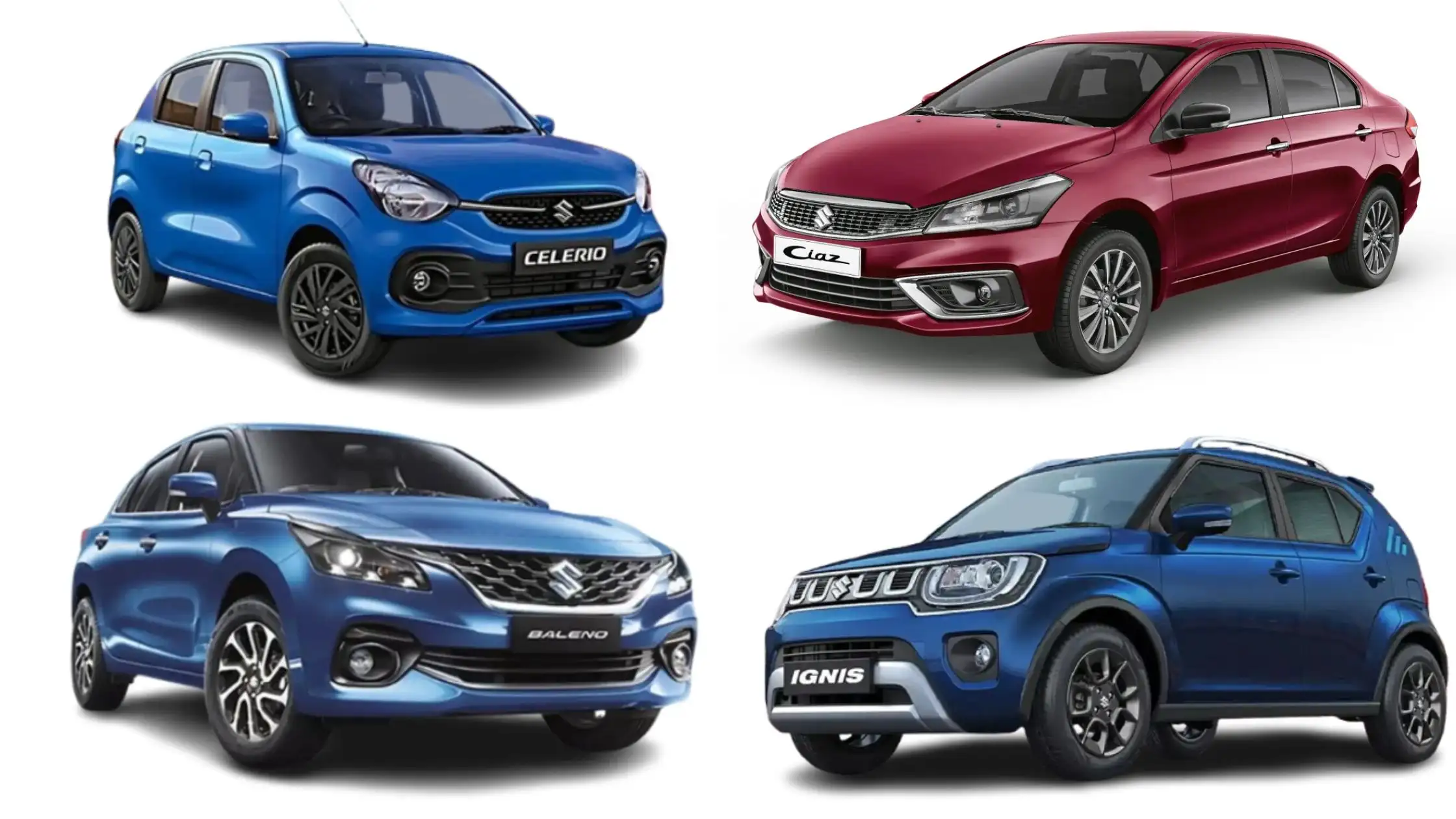
And in the CNG space, Kia is entering Maruti Suzuki's fortress, a segment also strongly contested by Hyundai. Maruti's S-CNG range is vast and well-entrenched. Kia's CNG offerings will need to deliver on reliability, safety, and perhaps a more premium cabin experience than what Maruti typically offers at this price point to attract buyers away. It's a tough fight, but Kia has proven they can deliver value.
The Good And The Not-So-Good
What We Like
- Broad Market Reach: This strategy addresses nearly every major fuel demand in India.
- Future-Proofing: Investing in hybrids and EVs prepares Kia for stricter emission norms and changing consumer preferences.
- Increased Choice: More options for Indian consumers across different budget and preference points.
- Potential for Innovation: Kia could bring its global powertrain tech to India, offering competitive performance and efficiency.
- Taps into Untapped Segments: CNG entry is a smart move for volume growth.
What Could Be Better
- Execution is Key: Launching so many new powertrains simultaneously is complex; quality and service network will be crucial.
- Pricing Pressure: Competition in all these segments is fierce, so aggressive pricing will be essential.
- Charging Infrastructure: For EVs, Kia will need to invest heavily or partner for a widespread charging network.
- Potential Cannibalization: Too many options could confuse buyers or lead to internal competition between Kia models.
- Market Acceptance for CNG: Kia's premium image might need adjustment for the value-driven CNG segment.
Price & When You Can Buy It
Official pricing for these upcoming hybrid, EV, and CNG models is, of course, yet to be announced. Given the varying powertrains and segments, we can expect a wide range. Hybrid models will likely sit at a premium over their petrol counterparts, possibly in the ₹13-20 lakh range, depending on the segment. Mainstream EVs are expected to compete directly with Tata and Mahindra, so pricing could start from ₹10-15 lakh onwards.
As for CNG, those offerings will probably be more budget-friendly, potentially starting around ₹8-12 lakh, positioning them against Maruti and Hyundai's strong lineup. Kia hasn't given specific launch timelines, but this is a long-term strategy, so expect a phased rollout over the next 2-3 years, with the first models likely hitting showrooms sometime in late 2024 or early 2025.
Our Verdict
This isn't just a simple product expansion; it's a strategic declaration of intent from Kia. They've shown they can deliver desirable products that resonate with Indian buyers, and now they're ready to diversify their offerings dramatically. Look, this multi-pronged approach – tackling hybrids, EVs, and CNG all at once – is incredibly ambitious, but if Kia can pull it off with their usual flair for features and design, they'll truly become a force to be reckoned with. Frankly, it's the boldest move we've seen from them yet in India, and it promises exciting times ahead for car buyers.