What's The Big News?
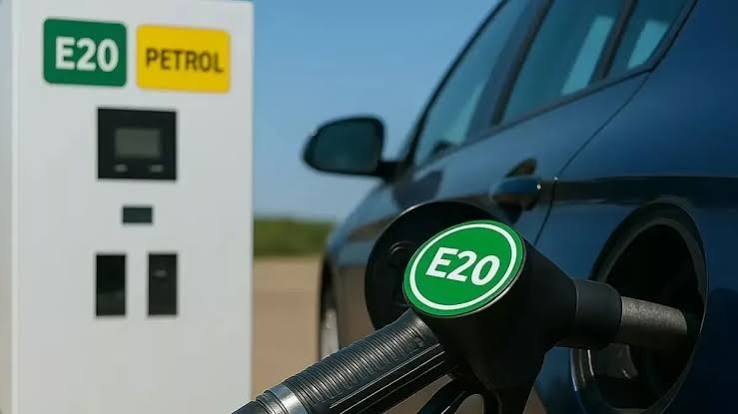
Alright folks, there's a fresh twist in the E20 fuel story, and honestly, it's got us a bit confused. The Society of Indian Automobile Manufacturers (SIAM) has officially withdrawn its earlier, rather strong communication to the Ministry of Petroleum and Natural Gas. Remember that letter where they flagged potential concerns about E20 fuel quality? Well, that's gone now.
This U-turn by SIAM has certainly raised eyebrows across the auto industry and among everyday car owners. For those of us who follow every development that affects our vehicles, this sudden retraction of a significant warning isn't just news; it's a big deal. It leaves a crucial question hanging in the air: what exactly is happening with E20 fuel, and should we still be concerned?
Why Did SIAM Take Back Its Statement?
So, why the sudden change of heart? SIAM's official stance is that media reports had 'selectively quoted excerpts' from their original document. Furthermore, they've stated that 'some of the figures cited require further evaluation' by the industry. In simple terms, they're saying the initial concerns, which reportedly talked about potential contamination or quality issues, might have been misinterpreted or were based on data that needed more checking.
This explanation, while official, doesn't exactly clear up all the confusion. It feels a bit like a cricket match where the umpire changes his decision after a replay, but doesn't quite explain *why* the original call was wrong. It puts car manufacturers, fuel distributors, and ultimately, us – the consumers – in a tricky spot, wondering if the initial concerns were valid or if this retraction is just damage control.
What Does This Mean For Your Car & E20 Fuel?
Here's the thing — this withdrawal doesn't change the fact that E20 fuel is very much here and is only going to become more widespread. Many new cars are already E20-compliant, and older vehicles are slowly being phased out or need to be handled with care. The initial communication from SIAM, however brief or 'selectively quoted' it might have been, did spark genuine worries about potential long-term damage to engines or fuel systems.
Now, with that communication gone, the official word is essentially 'no problem here.' But for the enthusiast who meticulously maintains their vehicle, this kind of back-and-forth isn't reassuring. We're left relying even more heavily on manufacturers' assurances and the quality control at our local fuel pumps. It's a situation that demands transparency, not just retractions, especially when it concerns something as vital as the fuel that powers our rides.
Key Points From The Original Communication (Now Withdrawn)
While the full details of SIAM's original communication are now off the record, reports indicated it raised flags about several potential issues with E20 fuel quality and its supply chain. These were the kind of concerns that make you think twice before filling up your tank.
- Potential for phase separation in E20 fuel, which can lead to engine issues.
- Concerns about water contamination affecting fuel stability and engine health.
- Variations in ethanol blending percentages across different regions.
- The need for stricter quality checks at fuel depots and dispensing stations.
- Possible adverse effects on certain vehicle components not fully designed for high ethanol blends.
What Are The Industry Reactions & Future Steps?
Honestly, the general vibe in the industry right now is one of cautious silence. No manufacturer wants to be seen contradicting official lines, especially when it involves government policy. But behind closed doors, you can bet there are discussions happening about fuel quality, testing protocols, and how to ensure consumer confidence isn't eroded.
Going forward, we expect more robust testing and clearer guidelines from both the oil marketing companies and the government. SIAM, despite withdrawing its communication, will likely continue to engage with stakeholders to address any underlying issues. The push for E20 is a national agenda for energy security and environmental reasons, so solutions, not just retractions, are what's truly needed.
The Good And The Not-So-Good
What We Like
- SIAM's proactive stance in addressing concerns, even if the communication was later withdrawn.
- The implicit acknowledgement that fuel quality monitoring is crucial.
- The potential for further, more thorough evaluations of E20 fuel data.
What Could Be Better
- The initial confusion caused by the communication and its subsequent withdrawal.
- Lack of clear, detailed explanations for car owners on the actual issues or non-issues.
- The ongoing uncertainty regarding E20 fuel quality despite the government's push.
What's Next For E20 in India?
Despite this hiccup, the E20 fuel rollout isn't slowing down. The government is committed to its ethanol blending targets, and new vehicles coming out are increasingly E20-compliant. What this episode highlights, however, is the absolute necessity for consistent, transparent communication and stringent quality control at every step of the fuel supply chain.
As car owners, we can only hope that this incident prompts all parties involved — from fuel producers to automobile manufacturers — to double down on ensuring E20 fuel is not just available, but also consistently high quality. We'll be keeping a close eye on any further developments and will bring you the real story, as always.
Our Verdict
Look, this whole back-and-forth with SIAM's E20 fuel communication isn't ideal. It creates unnecessary panic and then a sense of 'nothing to see here' which doesn't sit well when it comes to something as critical as the fuel we put into our hard-earned cars. Honestly, while it's good that issues are being investigated, the way this was handled leaves much to be desired in terms of clarity for the average Indian consumer. We need transparent information, not just official retractions, to truly trust what we're filling our tanks with. Stay tuned, because this E20 saga probably isn't over yet.