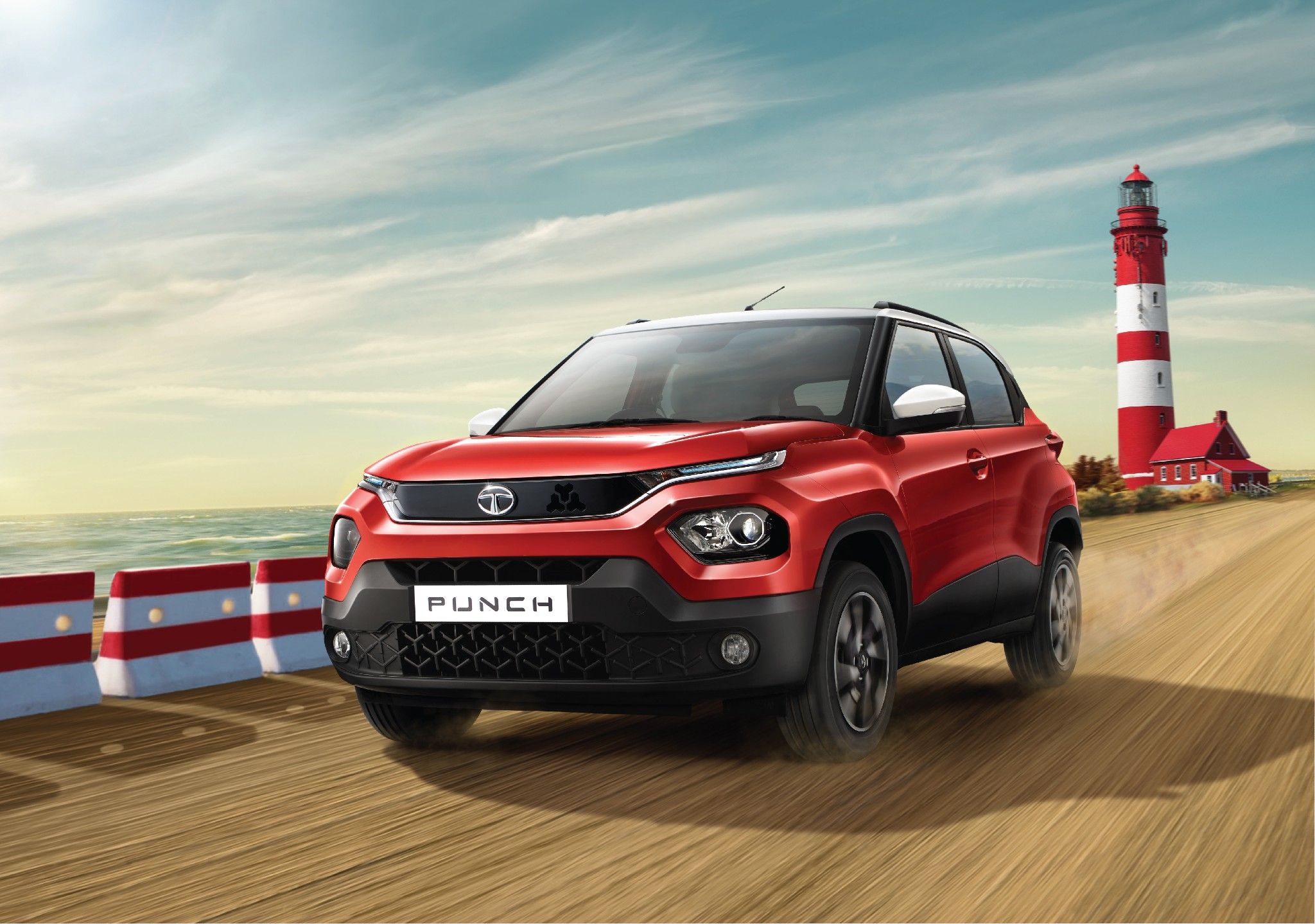
What's The Big News?
Alright, folks, gather 'round. If you've been planning to bring home a Tata Punch, I've got some news that might make your chai taste a little less sweet today. Tata Motors has just rolled out a price hike for its popular micro-SUV, the Punch. This isn't just a small tweak; it's the first time the Punch has seen a price adjustment since its launch, and it affects pretty much the entire variant lineup.
We're talking about a significant update to the ex-showroom price tags, which means your dream of owning India's safest micro-SUV just got a bit more expensive. It's a bummer, I know, especially for those who've been saving up, but let's dive into what exactly has changed and if the Punch still holds its ground as a top pick in its segment.
The Price Tag Just Got Heavier: What's Changed?
So, what's the actual damage? While Tata hasn't officially detailed the exact variant-wise increases in a public release, reports confirm that prices for the Punch have gone up across the board. This isn't a surprise for new models in India, but for the Punch, which has enjoyed such a strong run, it's a new development. We're seeing hikes that vary depending on the variant you choose, meaning the entry-level Pure trim to the top-spec Creative options, including the AMT and iCNG versions, are all affected.
This move is likely a combination of rising input costs and, let's be honest, Tata capitalizing on the Punch's immense popularity and strong demand (and honestly, it shows). When a car sells like hotcakes, manufacturers often adjust prices to reflect that market strength. For buyers, it means recalculating your budget; what was once a very aggressive starting price point is now a touch higher. It makes you wonder if it'll still be the automatic recommendation it used to be for many.
Is It Still Value For Money?
Here's the crucial question: does the Tata Punch still offer the same bang for your buck after this price adjustment? The Punch carved out its niche by offering SUV-like presence, a robust build, and excellent safety at a price point that largely undercut many hatchbacks. It gave you that elevated driving position and a sense of security that you just didn't get for the price of, say, a mid-spec Swift or a decent WagonR.
With this hike, the Punch's entry point is now closer to some higher-spec hatchbacks and perhaps even nudges into the territory of its closest rival, the Hyundai Exter, a bit more firmly. It puts more pressure on buyers to weigh the pros and cons even more carefully. The core strengths of the Punch — its 5-star GNCAP safety rating, distinctive design, and decent feature list — remain unchanged, but the value proposition does shift slightly when the price goes up.
Specs At A Glance
Feature | Details |
|---|---|
Engine Type | 1.2L Revotron Petrol |
Fuel Options | Petrol, CNG |
Transmission | 5-speed Manual, 5-speed AMT |
Safety Rating | 5-Star GNCAP |
Infotainment | 7-inch Touchscreen (Higher variants) |
Connectivity | Apple CarPlay, Android Auto |
Headlamps | Projector with LED DRLs (Higher variants) |
Wheels | 16-inch Alloys (Higher variants) |
Key Safety Features | Dual Airbags, ABS with EBD, Brake Sway Control |
How Does It Stack Up Against The Competition?
Before this hike, the Punch was often seen as the undisputed king of the micro-SUV segment, or at least a very strong contender against cars like the Maruti Suzuki Ignis and its newer, direct rival, the Hyundai Exter. The Ignis, while a decent city car, lacks the Punch's rugged SUV appeal and safety credentials. It's also typically priced slightly lower on average.
The Hyundai Exter is the Punch's most direct competitor, offering a similar micro-SUV stance, a comparable feature set, and even a factory-fitted CNG option. The Exter also brings some unique features like a dashcam to the table. With the Punch's price going up, the gap between it and the Exter shrinks, making the choice harder. Buyers might now find themselves cross-shopping more intensely, weighing the Punch's build quality against the Exter's fresh features and possibly better engine refinement. It's a tighter fight than ever before, that's for sure.
The Good And The Not-So-Good
What We Like
- Build Quality & Safety: The 5-star GNCAP rating is still a massive selling point; it gives immense peace of mind.
- Distinctive Design: It stands out in a crowd; looks like a proper mini-SUV, not just a jacked-up hatchback.
- Driving Dynamics: Decent ride comfort for city commutes and handles broken roads well.
- Feature Set: Gets most modern amenities you'd expect in this segment, especially in higher trims.
- AMT Option: Makes city driving a breeze, much needed in our traffic.
What Could Be Better
- Engine Performance: The 1.2L naturally aspirated engine can feel a bit underpowered on highways, especially with a full load.
- Cabin Refinement: While good for the segment, it could be quieter, and some plastics feel a bit basic.
- Now, The Price: The hike makes it less of an outright steal, making the competition seem more attractive.
Price & When You Can Buy It
The updated prices for the Tata Punch are already in effect across dealerships. If you've placed an order recently or are about to, you'll be paying the revised rates. Tata Motors hasn't put out an official press release detailing the exact variant-wise increases publicly yet, but the changes are being reflected in dealer quotes. You'll want to check with your nearest Tata showroom for the precise pricing of the variant you're interested in. Expect the hike to range from a few thousand rupees to potentially a significant chunk on the higher-end models.
Our Verdict
Look, the Tata Punch is still a fantastic package. It brought a segment-defining product to the Indian market, offering safety, style, and practicality that few could match for its original price. This first-ever price hike, while not entirely unexpected given current market conditions and the Punch's popularity, does make you pause. Honestly, while it's still a strong contender, this price adjustment means prospective buyers will need to scrutinize their options a bit more closely now. It's no longer the absolute no-brainer it once was, but its core strengths, especially safety, keep it highly relevant. Just make sure you factor in the new numbers before you sign on the dotted line.