What's The Big News?
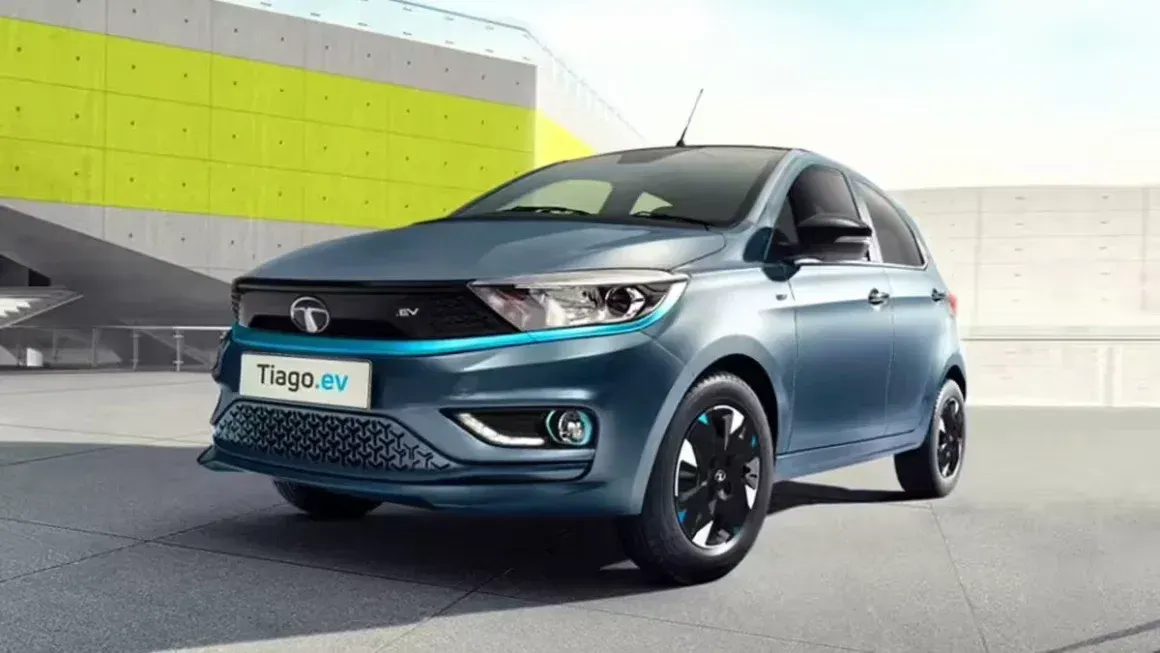
Remember when buying an electric car in India meant spending a fortune or settling for something that looked like a golf cart? Tata Motors changed all that when they brought out the tiago-ev">Tiago EV. It made electric mobility accessible to the middle-class Indian household, costing about the same as a mid-spec Swift but offering a whole new driving experience. However, early adopters of this electric hatchback had one common bone to pick: the charging speeds on longer highway journeys.
Lately, there’s been a lot of chatter in enthusiast forums and owner groups about how newer batches of the Tiago EV seem to handle fast charging much better than the older ones. Owners who bought their cars recently are reporting more consistent charging times, especially when the battery is warm. We decided to dig deep into what’s happening under the floorboards of India's favorite budget EV to see if Tata has quietly upgraded the charging game.
The Charging Speed Showdown: What Changed?
Let's get down to the brass tacks of how this works. The Tiago EV comes with two battery options: a 19.2 kWh Medium Range pack and a larger 24 kWh Long Range pack. Officially, Tata claims both can juice up from 10% to 80% in about 58 minutes using a 25 kW DC fast charger. But as any EV owner will tell you, official claims and real-world charging curves are two very different beasts.
For the uninitiated, DC fast charging isn't a straight line. When you plug your car in, it starts charging quickly, but as the battery heats up, the onboard battery management system (BMS) slows down the incoming current to protect the lithium-ion cells from degrading. This is called throttling. (And honestly, it shows when you're stuck at a highway dhaba waiting for the last 20% to top up).
Older versions of the Tiago EV were known to throttle their charging speeds quite aggressively. Once the battery temperature crossed a certain threshold on a hot Indian afternoon, the charging rate would drop from a decent 19-20 kW down to a painful 10-12 kW. However, Tata has quietly rolled out software optimizations for newer batches. By improving the way the liquid-cooling system manages heat during fast charging, newer cars can sustain higher charging rates for a much longer duration before the BMS decides to pull the plug on high speeds.
Real-World Impact: What This Means For Your Road Trips
Planning a road trip in an EV used to require the precision of a military operation. You had to calculate exactly where to stop, how long you'd need to wait, and whether the charger would actually deliver the promised speeds. With the optimized charging curve on newer Tiago EVs, your charging stops will become much more predictable.
If you're driving the newer version, you'll notice that even when you pull into a charging station after a long highway stint, the car starts pulling closer to its maximum limit and stays there longer. Instead of watching the charging speed drop off a cliff after just ten minutes, the updated thermal management keeps the juice flowing efficiently. This doesn't mean you'll get 0-100% in twenty minutes, but it does mean you'll save a crucial 10 to 15 minutes during a typical highway top-up. That is the difference between a quick restroom-and-tea break and a frustratingly long wait.
Specs At A Glance
Here are the official charging and battery specifications of the Tata Tiago EV as we know them today:
Parameter | Medium Range (19.2 kWh) | Long Range (24 kWh) |
|---|---|---|
Battery Capacity | 19.2 kWh | 24 kWh |
Claimed MIDC Range | 250 km | 315 km |
DC Fast Charging Time (10-80%) | Approx. 58 mins (25 kW DC) | Approx. 58 mins (25 kW DC) |
Standard AC Charging Time (15A) | Approx. 6.9 hours (10-100%) | Approx. 8.7 hours (10-100%) |
Optional 7.2 kW AC Charger | Not Available | Approx. 3.6 hours (10-100%) |
Real-world Range (Estimated) | 140-160 km | 190-210 km |
How Does It Stack Up Against The Competition?
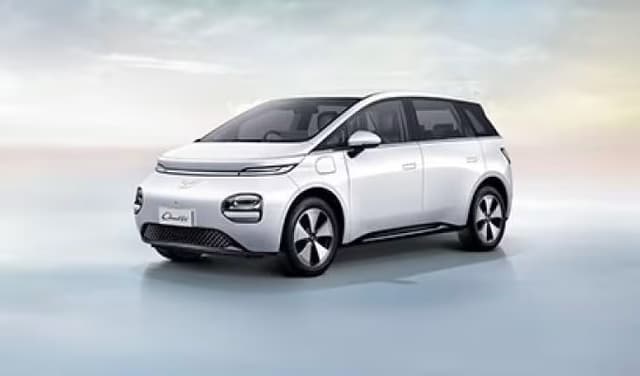
When you look at the budget EV space, the Tiago EV’s primary rivals are the quirky MG Comet EV and the larger Citroen eC3. The MG Comet is a fantastic city runabout, but it historically lagged behind because it didn't support DC fast charging at all in its initial avatar, though recent updates have improved its AC charging speeds. Even with updates, it cannot match the highway charging flexibility of the Tiago EV.
Then there's the Citroen eC3. On paper, it has a larger 29.2 kWh battery, but it relies on natural air cooling instead of active liquid cooling. Because it lacks liquid cooling, the eC3 suffers from severe thermal throttling when fast-charged back-to-back on a hot day. This is where Tata's liquid-cooled battery pack in the Tiago EV, especially with the newer optimized charging profile, completely runs circles around the French competition.
The Good And The Not-So-Good
What We Like
- Liquid-cooled battery pack manages heat much better than air-cooled rivals.
- Newer software optimizations allow sustained peak charging speeds for longer.
- Superb city driveability with instantaneous electric torque.
- Well-equipped cabin with features like connected car tech and automatic climate control.
What Could Be Better
- Real-world range on highways drops significantly if you drive with a heavy right foot.
- The public DC charging infrastructure in India can still be highly unreliable.
- Suspension setup feels slightly firm over sharp potholes due to the added battery weight.
Price & When You Can Buy It
Buying a Tiago EV today will cost you anywhere between ₹7.99 lakh and ₹11.89 lakh (ex-showroom, India), depending on the battery size and trim level you choose. Tata has made these updated charging profiles standard on all new cars leaving the factory. If you already own an older Tiago EV, there is a good chance you can get some of these software optimizations flashed during your next routine service at a Tata dealership.
Our Verdict
Honestly, the Tiago EV is still the most sensible entry-point for anyone looking to ditch petrol. While it isn't a perfect highway cruiser, the quiet improvements Tata has made to its thermal management and charging curve make it a much more competent package than it was at launch. If you're looking for a second car for the household that can easily handle daily city commutes and occasional weekend getaways without giving you range anxiety, this is still the car to beat.