What's The Big News?
Alright, so here's the deal: Tata Motors has done it. They’ve climbed back up to the coveted number two position in India’s passenger vehicle market for the first quarter of the fiscal year 2027. This isn't just a small bump; it’s a significant shift in the pecking order, especially when you consider the sheer scale of our automotive landscape.
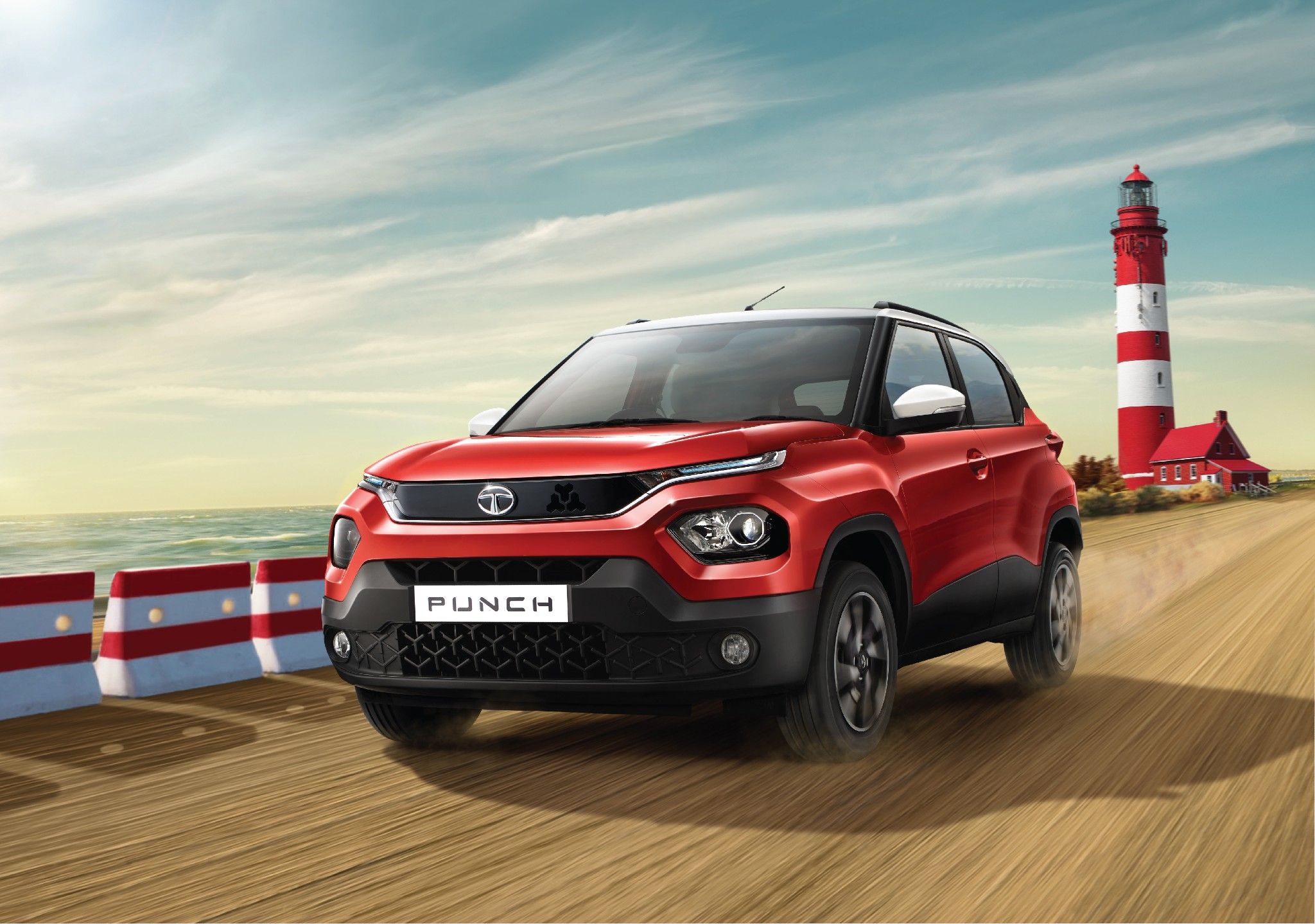
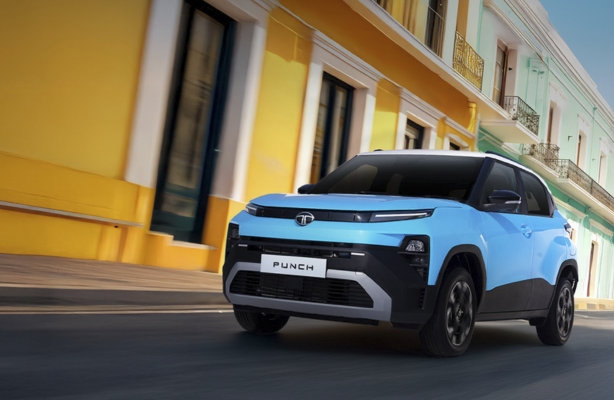
This isn't some overnight miracle, either. The underlying force behind this impressive ascent? Their relentless focus and expansion in the SUV segment. From the compact Punch to the commanding Safari, Tata’s utility vehicles are clearly hitting all the right notes with Indian buyers, pushing them past some seriously big players. It's a huge moment for an Indian brand showing the global giants how it's done.
Tata's SUV Masterstroke: Cracking The Indian Market Code
So, how did Tata pull this off? It boils down to a few key ingredients, and honestly, it shows. First up, design. Remember the old Tatas? They've come a long, long way. Their Impact design language, especially with models like the Nexon, Punch, Harrier, and Safari, has truly transformed how their cars look. They're bold, contemporary, and have a serious road presence that makes them stand out in traffic, not just blend in.
Then there's safety – a non-negotiable for many Indian families now, and about time, Maruti! Tata has consistently delivered high GNCAP safety ratings across its SUV range, often bagging 5-star scores. This isn't just good marketing; it's tangible peace of mind for buyers. When you're spending your hard-earned money, knowing your family is in a solid, well-built car makes a huge difference. They’ve made safety a core pillar, and it’s paying off big time.
Beyond that, it’s about value. Tata isn't just selling you a car; they're offering a package. You get a good mix of features, robust build quality, and diverse powertrain options – petrol, diesel, and a leading electric vehicle lineup – all at a price point that makes sense. They've understood that Indian buyers want premium feel without the premium price tag, and they've executed that strategy really well across their SUV portfolio.
The Big Picture: What This Means for Indian Car Buyers
This kind of shake-up in the market is fantastic news for us, the consumers. When a homegrown player like Tata surges ahead, it naturally ramps up the competition. Maruti and Hyundai, who've traditionally dominated, will now have to work even harder to keep their customers, which usually translates to better products, more features, and sharper pricing for everyone.
It also signifies a growing trust in Indian brands. For years, we've looked towards foreign manufacturers for cutting-edge tech or premium finishes. Tata is proving that an Indian company can innovate, deliver on quality, and understand local needs better than anyone else. Their strong push into EVs, particularly with the Nexon EV, has also positioned them as pioneers in a rapidly evolving segment, pulling in a new generation of environmentally conscious buyers.
Ultimately, this rise isn't just about market share; it's about validating Tata's strategy of focusing on SUVs, prioritizing safety, and embracing electrification. It shows that if you build robust, feature-rich, and safe vehicles that resonate with Indian aspirations, customers will respond. And that's a win for the entire Indian auto industry.
Specs At A Glance
While we're not talking about a single new launch here, it's worth highlighting the key areas where Tata's current SUV lineup consistently delivers, making them attractive to buyers. These 'specs' aren't just numbers; they're the design and engineering philosophies that have driven their success.
Category | Tata's Strategy & Offerings |
|---|---|
Safety Ratings | Leading the pack with multiple 5-star GNCAP ratings (Nexon, Punch, Altroz, Safari/Harrier). A huge selling point for Indian families. |
Design Language | Impact 2.0 and newer designs are bold, contemporary, and have a strong road presence. They don't look like budget cars, even at entry levels. |
Powertrain Options | Offers a mix of efficient turbo petrol, torquey diesel, and a pioneering range of electric powertrains, catering to diverse needs. |
Feature List | Generous with features like large touchscreens, connected car tech, sunroofs, ventilated seats, and increasingly, ADAS capabilities in higher segments. |
Build Quality & Ride | Robust build, generally good ride comfort tuned for Indian roads, and a solid, reassuring feel behind the wheel. |
How Does It Stack Up Against The Competition?
When you look at the landscape, Tata is primarily battling it out with Maruti Suzuki and Hyundai. Maruti has always been the king of volumes, offering affordability and widespread service. But where Tata truly differentiates itself is in safety and a more premium, robust feel, even at similar price points. You often get a much more substantial car for the price of a mid-spec Swift, for instance.
Against Hyundai, the competition is fierce in terms of features and refinement. Hyundai cars are known for their slick interiors and smooth engines. However, Tata often edges them out on outright safety ratings and, in many cases, offers a more rugged, abuse-friendly build quality that appeals to those who drive on less-than-perfect Indian roads regularly. Plus, Tata's EV lineup is far more comprehensive and accessible than what Hyundai currently offers in India.
Tata's unique selling proposition lies in blending strong safety credentials with modern design, a decent feature list, and competitive pricing, all while pushing the envelope in the EV space. They're not just selling cars; they're selling confidence and a forward-looking vision.
The Good And The Not-So-Good
What We Like
- Top-Tier Safety: Consistently delivering high GNCAP ratings, making them a top choice for safety-conscious buyers.
- Bold, Modern Design: Their current design language gives their SUVs excellent road presence and a premium look.
- Pioneering EV Push: Leading the charge in accessible electric vehicles, offering practical solutions for daily commutes.
- Value for Money: Offering a strong package of features, build quality, and powertrain options at competitive price points.
- Improved Build Quality: The cars feel sturdy and well put together, instilling confidence.
What Could Be Better
- Service Network Consistency: While expanding, the service experience can sometimes be a mixed bag across different dealerships.
- Minor Electronic Niggles: Some owners still report occasional glitches with infotainment or other electronic systems.
- Fit-and-Finish in Older Models: While newer models are much better, some older or entry-level variants could improve interior panel gaps and material consistency.
- After-Sales Parts Availability: Occasionally, specific spare parts can take a bit longer to procure than rivals.
Price & When You Can Buy It
The good news is, Tata’s entire range of successful SUVs, from the Punch to the Safari, is already readily available across their expansive dealership network. This market position isn't due to a single new launch, but the sustained performance of their existing lineup. Pricing remains competitive and accessible across various segments, reflecting their strategy of offering value at every level.
You can walk into a Tata showroom today and find an SUV that fits your budget and needs, whether it’s the entry-level Punch starting around the ₹6 lakh mark (ex-showroom) or the top-spec Safari at over ₹25 lakh. Their pricing strategy is well-established, and this market surge simply reinforces the fact that buyers are finding their offerings compelling enough to make a purchase right now.
Our Verdict
Look, this isn't just a win for Tata Motors; it's a win for the Indian automotive industry and for every Indian car buyer. For Tata to climb to the second spot in such a fiercely competitive market, driven primarily by their SUV portfolio, speaks volumes about their strategy and execution. They've nailed the brief for what Indian families want: safety, style, features, and choice, without breaking the bank. Honestly, their transformation has been nothing short of spectacular, proving that a homegrown brand can not only compete but lead.