What's The Big News?
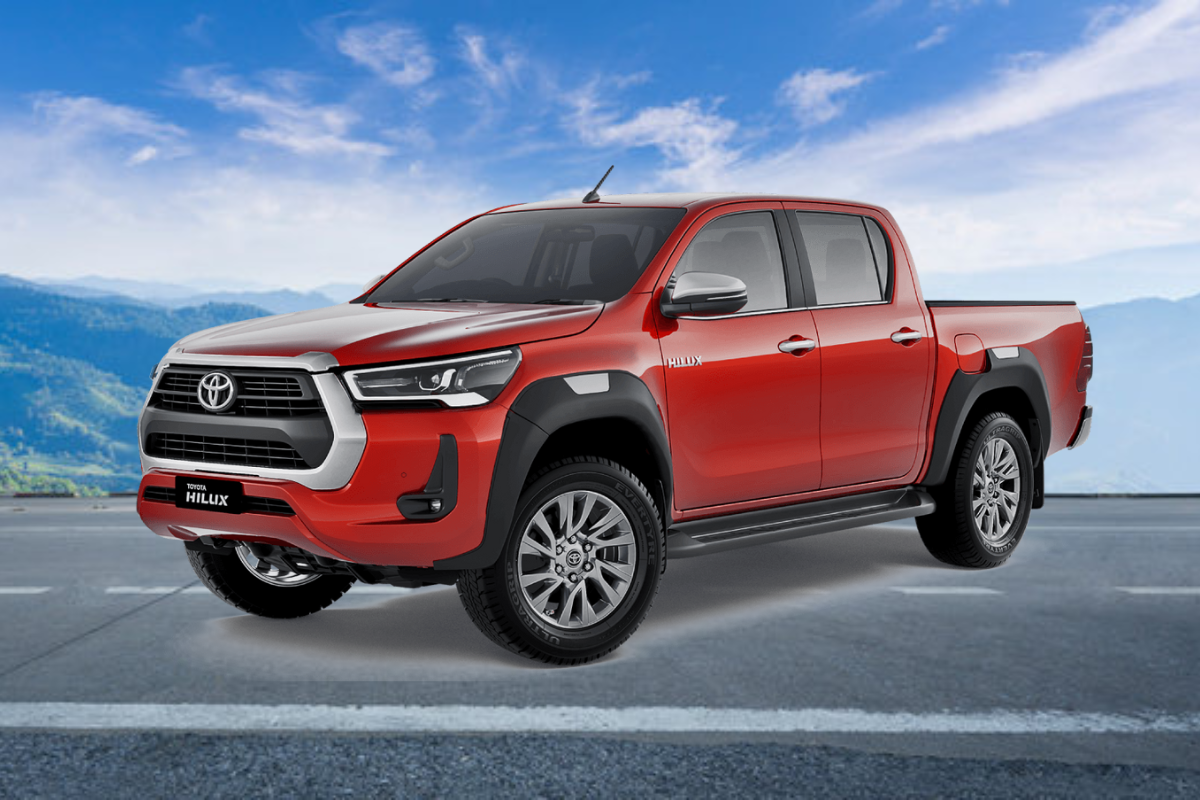
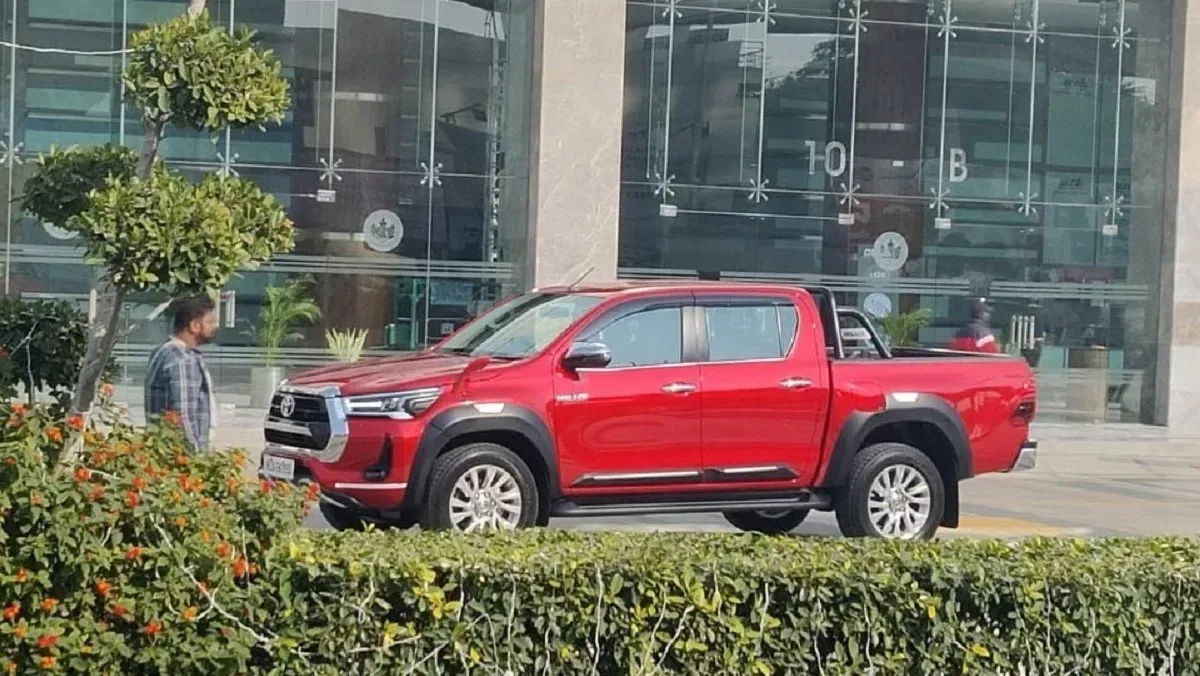
Let's talk about the big daddy of lifestyle utility vehicles. Yes, we are talking about the Toyota Hilux. If you've been eyeing that massive bed and dreaming of overlanding across Ladakh, you might want to hold your checkbook for just a bit longer. Toyota India has officially teased the updated version of this legendary pickup truck, and the launch date is set for July 28th.
It's no secret that the Hilux isn't your average grocery-getter; it's a massive, heavy-duty workhorse that has carved a niche for itself among serious off-roaders and lifestyle buyers who want something indestructible. While the current model has been around for a while, this incoming update promises to freshen things up just enough to keep the excitement alive. But before you get too excited about the fancy green tech Toyota is selling abroad, we've got some reality checks for you.
The Heart of the Beast: Why Diesel Rules the Roast in India
Now, let's address the elephant in the room. Globally, Toyota has been showing off some really cool stuff for the new-gen Hilux, including mild-hybrid tech and even a fully battery-electric version. It sounds amazing on paper, right? But let's bring our expectations back to Indian soil. For our market, the updated Hilux is highly expected to stick with its tried-and-tested 2.8-litre four-cylinder turbo-diesel engine.
Why? Because in a country where we love torque and reliability over complex battery setups that can fail in high-altitude freezing temperatures, diesel is still king. This motor is a gem. It makes plenty of low-end grunt, which is exactly what you need when you're stuck in knee-deep mud or crawling up a rocky trail. We expect the power outputs to remain identical to the outgoing model, paired with either a 6-speed manual or a 6-speed torque converter automatic transmission. It's a powertrain that doesn't complain, even if you feed it subpar fuel in the middle of nowhere.
Design Tweaks and Interior Comforts
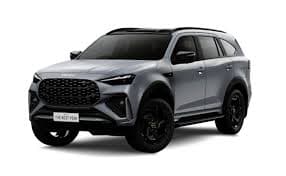
So, what actually changes? Since this is an update and not a full generational leap, the changes will likely be cosmetic but impactful. We are expecting a redesigned front bumper, a sharper grille that looks even more aggressive than before, and maybe a new set of alloy wheels to give it that fresh-out-of-the-box look. Inside, you can expect some minor updates to the infotainment system, perhaps better smartphone connectivity, and maybe some new upholstery options to make the cabin feel slightly more premium.
Don't expect luxury sedan levels of comfort, though. The Hilux has always been a utilitarian vehicle at its core, which means hard-wearing plastics are here to stay. It's built to be washed down after a dusty trail ride, not to pamper you like a Camry. But hey, if it keeps the squeaks and rattles away after five years of abuse on Indian roads, we aren't complaining. Even with basic interiors that might remind you of an older Fortuner, the build quality is absolutely rock-solid.
Specs At A Glance
Feature / Spec | Details (Expected) |
|---|---|
Engine Type | 2.8-litre Four-Cylinder Turbo Diesel |
Transmission Options | 6-Speed Manual / 6-Speed Automatic |
Drivetrain | 4x4 with Low Range Transfer Case |
Expected Launch Date | July 28th |
Seating Capacity | 5-Seater Double Cab |
How Does It Stack Up Against The Competition?
Look, the lifestyle pickup segment in India is incredibly tiny. The only real direct rival the Hilux has is the Isuzu D-Max V-Cross. The Isuzu is a great truck, but it feels a generation older (and honestly, it shows) and lacks the sheer premium appeal and brand snobbery that comes with the Toyota badge. Plus, the service network of Toyota is legendary, which matters when you plan to drive into the wild.
On the other hand, many buyers compare the Hilux to large ladder-frame SUVs like the Mahindra Scorpio-N or the MG Gloster. While those SUVs offer much better rear-seat comfort and more features for the price of a mid-spec luxury car, they simply cannot match the Hilux's raw utility, massive cargo bed, and water-wading capability. If you want to carry dirt bikes (yes, really) or heavy camping gear, the SUVs don't even stand a chance.
The Good And The Not-So-Good
What We Like
- Indestructible build quality that can survive the toughest Indian terrains.
- The torque-rich 2.8-litre diesel engine is incredibly reliable and powerful.
- Brilliant 4x4 hardware with electronic differential locks.
- Strong resale value that only a Toyota badge can command.
What Could Be Better
- Bumpy ride quality when the rear cargo bed is completely empty.
- Its massive dimensions make it a nightmare to park in cramped city mall basements.
- Rear seat backrest is quite upright, which can get tiring on long road trips.
Price & When You Can Buy It
The official launch is happening on July 28th, which is when the official pricing will be revealed. Currently, the Hilux is priced in the premium territory, and we don't expect the updated version to get any cheaper. Expect a slight price bump across the variants to justify the cosmetic updates and feature additions. Booking details and delivery timelines will be announced by Toyota dealers post-launch, but you can expect deliveries to start shortly after the announcement. It's not going to be cheap, but quality never is.
Our Verdict
Here's the thing — the Toyota Hilux isn't a vehicle you buy with your head; you buy it with your heart and a very specific lifestyle in mind. It's big, it's cumbersome in the city, and the rear seat ride comfort will make your family complain on long road trips. But if you want a machine that can literally survive an apocalypse and look incredibly cool while doing it, there is nothing else like it on Indian roads. In my opinion, sticking with the diesel engine is a smart move by Toyota for our market conditions, even if it means we miss out on the fancy hybrid tech for now.