What's The Big News?
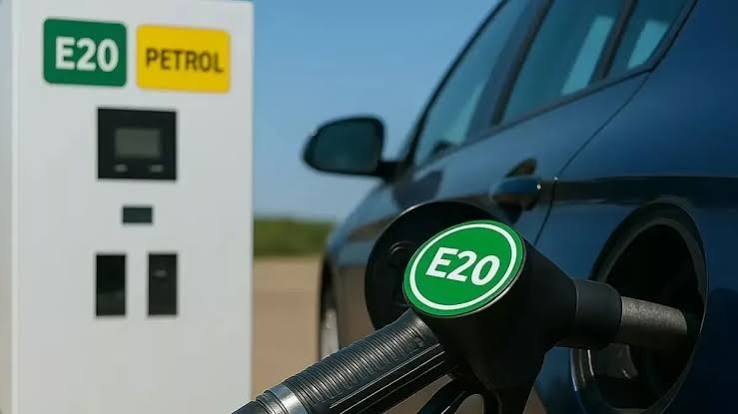
Looks like car owners are finally putting their foot down, and honestly, about time! A new movement, dubbed the 'E20 Janta Party' — yes, really, they're not messing around — has popped up online, gaining serious traction. Their core demand? Give us, the consumers, a choice: let us buy ethanol-free petrol alongside the E20 fuel that's rapidly becoming the norm across the country.
This isn't just some fringe group; it's a social media-led campaign tapping into real concerns shared by millions of Indian drivers. Many are genuinely worried about what 20% ethanol blend fuel means for their beloved cars, especially the older ones that weren't designed for it. It's a fight for fuel freedom, and it's getting louder by the day.
The E20 Mandate and What It Means for Your Ride
Remember when E10 (10% ethanol blend) became standard? Well, now we're moving to E20. The government's push for E20 fuel is all about reducing our reliance on crude oil imports and cutting down on pollution. Sounds good on paper, right? But for the average car owner, it brings a whole new set of worries.
You see, older vehicles, especially those bought before 2008, weren't built with this kind of fuel in mind. Components like fuel lines, rubber seals, and even some plastic parts might not be compatible with the higher ethanol content. Over time, E20 can cause these parts to degrade, leading to leaks, engine issues, and potentially costly repairs. Even some newer vehicles, while technically E20 compatible, might not perform optimally or see a slight dip in fuel efficiency. It's a real headache for those who've saved up for years for their cars and now face an unexpected maintenance bill.
The Fuel Compatibility Conundrum: Old Cars vs. New Tech
Here's the thing — while most new cars rolling off the assembly line today are designed to be E20 compliant, what about the millions of older cars on our roads? Maruti, Hyundai, Tata, Mahindra, you name it, they've all sold countless models that might not take too kindly to E20. Manufacturers have started updating their vehicle specifications, but a large chunk of the existing fleet remains vulnerable.
The E20 Janta Party argues that forcing everyone to switch to E20 without an alternative is unfair. They believe it penalizes owners of older, perfectly good vehicles and puts an undue financial burden on them. Think about it: someone who just bought a used car for the price of a mid-spec Swift might now be looking at thousands in potential repair costs or a significant drop in resale value. This isn't just about fuel; it's about the lifespan and usability of their hard-earned assets.
E20 Fuel: What You Need To Know
Feature | Details |
|---|---|
Ethanol Content | 20% Ethanol, 80% Petrol |
Primary Goal | Reduce crude oil imports, lower emissions |
Government Target | Nationwide E20 rollout by 2025 |
Compatibility | Newer vehicles (post-2018/2020 generally) are E20-ready. Older vehicles may face issues. |
Potential Issues | Degradation of fuel system components, reduced fuel efficiency, potential engine damage (for incompatible vehicles). |
Current Availability | Increasingly available at pumps, becoming standard in many cities. |
How Does It Stack Up Against The Competition?
When we talk competition, it's not about brand A vs. brand B fuel; it's E20 against the good old, ethanol-free petrol (or even E10) we used to have. The biggest 'competition' is the idea of choice. In my opinion, the government should provide at least one ethanol-free option, even if it's priced a little higher, for those who need it. Many countries, like the UK and parts of Europe, offer both E10 and E5 (5% ethanol) or even E0 (ethanol-free) as premium options. Why can't we?
Currently, the 'competition' for E20 is essentially non-existent once it becomes the only option at a pump. This lack of choice is precisely what's fueling the outrage. Drivers aren't asking for E20 to be scrapped; they're just asking for an alternative. It's like being forced to buy only one brand of tyre when your car performs best with another. It doesn't sit right.
The Good And The Not-So-Good
What We Like
- Reduced Imports: Good for India's energy security and foreign exchange.
- Lower Emissions: Ethanol burns cleaner, potentially reducing tailpipe emissions.
- Cost-Effective for Government: Helps reduce the overall cost of fuel subsidies.
What Could Be Better
- Lack of Choice: This is the big one. Consumers need an option for ethanol-free fuel.
- Impact on Older Vehicles: Significant concern for degradation and repair costs for millions of cars.
- Potential for Reduced Mileage: Ethanol has lower energy density than petrol, which could mean slightly lower fuel efficiency for some vehicles.
- Transparency: More clear communication from manufacturers and government on exact compatibility and long-term effects.
Price & When You Can Buy It
Right now, E20 fuel is gradually rolling out and becoming the standard at pumps across the country. Pricing is usually similar to or slightly cheaper than regular petrol, due to ethanol being less expensive than crude oil. However, the E20 Janta Party's main point isn't about the current E20 price; it's about the *absence* of an ethanol-free option. As of today, there's no official word on when, or even if, an ethanol-free petrol will be made available alongside E20.
The campaign aims to pressure authorities into offering this choice. If it happens, expect the ethanol-free option to likely be priced a bit higher, perhaps similar to how premium fuels are currently positioned. But for many, that extra cost would be a small price to pay for peace of mind and protecting their vehicle investments.
Our Verdict
Look, the government's push for E20 is understandable from an economic and environmental standpoint. We need to reduce our reliance on imports and improve air quality. But the way it's being implemented, without offering a genuine alternative for vehicle owners, is problematic. It feels like a unilateral decision that disregards the concerns and potential financial burden on a huge chunk of the Indian car-owning population. Honestly, forcing E20 on everyone without an ethanol-free option is simply unfair. The E20 Janta Party has a valid point, and we hope the authorities are listening. A little choice at the fuel pump would go a long way in building trust and ensuring everyone can keep their wheels running smoothly.