What's The Big News?
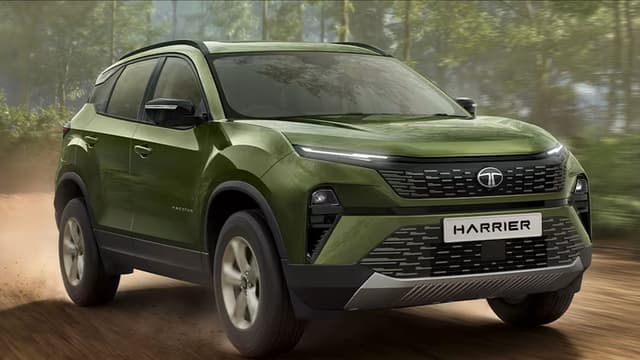
Pull up a plastic stool and grab a hot cup of adrak chai because Tata Motors is gearing up to shake the Indian EV space all over again. We've seen them dominate the entry-level hatchback and mid-size SUV segments with the Tiago, Punch, and Nexon EVs. Now, the homegrown carmaker is preparing to drop two brand-new electric SUVs equipped with proper All-Wheel Drive (AWD) capabilities within the next five months.
This isn't just another cosmetic update with neon green stitching or a fancy new bumper. We are talking about serious mechanical upgrades with dual-motor setups that will give these upcoming flagship electric SUVs genuine off-road credentials and blistering highway performance. For enthusiasts who love planning spontaneous weekend road trips to Spiti or Munnar, this move could completely change how we look at electric utility vehicles in India.
The AWD Revolution: Why Dual Motors Matter For Indian Roads
Let's dive straight into the greasy bits of this announcement. Tata is finally bringing dual-motor setups to their electric lineup (yes, really). If you've ever driven a powerful front-wheel-drive EV, you know how easily the front tyres can spin and lose traction when you stomp on the accelerator because of that instant electric torque. By placing an electric motor on both the front and rear axles, Tata will solve this problem entirely, distributing power dynamically where it is needed most.
Currently, almost every mass-market electric vehicle sold in India sends its power to just two wheels. This setup is perfectly fine for crawling through bumper-to-bumper traffic in Mumbai or Bengaluru, but it quickly feels out of its depth when you encounter wet clay, loose gravel, or steep incline hairpins. Tata's upcoming AWD system will use smart electronic torque vectoring to ensure you don't get stuck when the tarmac ends and the adventure begins.
Adding a second motor also means these SUVs are going to be absolute rockets in a straight line. While we don't have the exact zero-to-hundred timings yet, we expect these dual-motor flagships to easily dip under the seven-second mark. That is faster than what Maruti gives you at this price point, and it might even embarrass a few entry-level luxury German sedans at the traffic lights.
Shifting the Goalposts: Who Are These SUVs For?
Indian car buyers are evolving rapidly, and they aren't afraid of spending big money on homegrown brands anymore. If you look at the sales charts, people are happily bypassing base variants of premium brands to buy fully loaded Indian SUVs. Tata knows this crowd wants bragging rights, road presence, and cutting-edge tech wrapped in a rugged package.
Think about it: who doesn't want a massive, muscular SUV that can run for less than two rupees per kilometer but still has the chops to climb up a slushy mountain trail? By offering a proper electric AWD system, Tata is directly targeting buyers who would otherwise look at diesel-powered four-wheel-drive options. It's a clever strategy to bridge the gap between green, silent city commuting and weekend wilderness exploration.
Moreover, having AWD capability adds a massive safety net. When you are driving through a sudden monsoon downpour on the highway, a smart AWD system can detect slipping wheels in milliseconds and cut power or apply brakes to keep you pointed in the right direction. It's the kind of active safety feature that makes a massive difference in real-world Indian driving conditions.
Specs At A Glance
Here is a quick look at what we know and what we highly expect from Tata's upcoming AWD electric beasts:
Parameter | Expected Details |
|---|---|
Powertrain Layout | Dual-Motor All-Wheel Drive (AWD) |
Estimated Battery Capacity | 60 kWh to 80 kWh |
Expected Real-World Range | Around 400 to 450 km on a single charge |
Platform | acti.ev / premium high-spec EV architecture |
Charging Compatibility | DC Fast Charging (up to 100 kW expected) |
Expected Launch Timeline | Within the next 5 months |
How Does It Stack Up Against The Competition?
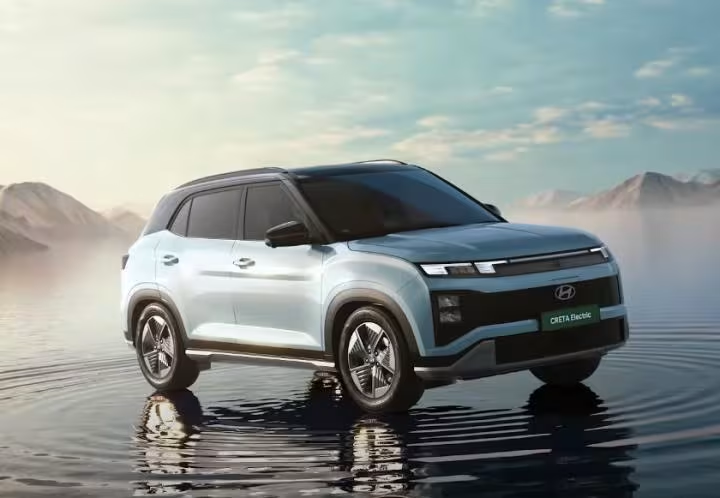
When you look at the current electric landscape, Tata is playing a very smart game of chess. Most of their immediate rivals are focusing heavily on budget-friendly, front-wheel-drive commuters. For instance, the upcoming Hyundai Creta EV is highly expected to stick to a front-wheel-drive layout to keep costs down and appeal to the mass market.
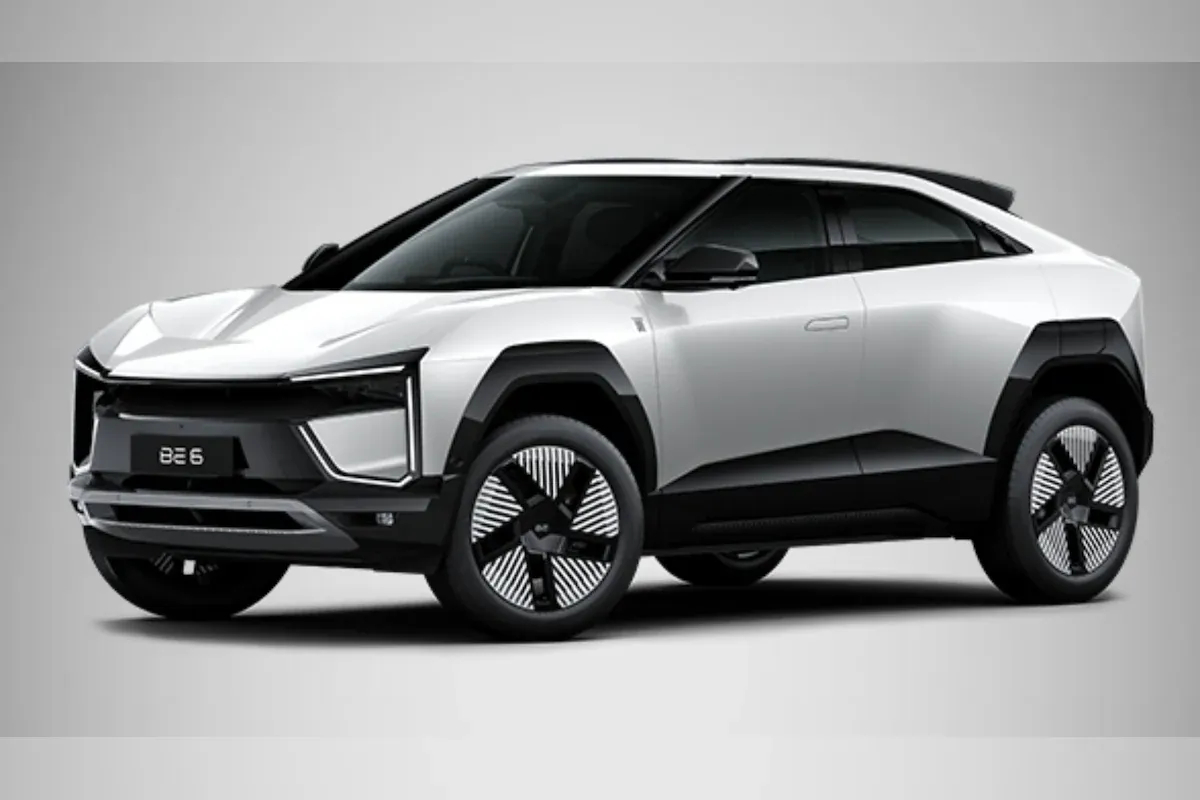
Mahindra is also working on its born-electric BE series of SUVs, which will eventually feature AWD variants, but those are still some time away from hitting the showrooms. By launching these two AWD SUVs within the next five months, Tata is securing a massive first-mover advantage. They will capture the premium enthusiast crowd before anyone else even gets their vehicles to the starting line.
The Good And The Not-So-Good
What We Like
- Proper AWD capability brings genuine off-road usability to the Indian EV space.
- Dual-motor performance will make these SUVs incredibly fast and fun to drive.
- Large expected battery packs mean highway anxiety will be a thing of the past.
- Premium road presence that can easily rival luxury cars costing twice as much.
What Could Be Better
- AWD tech will inevitably push the pricing into premium territory.
- Tata's software interface can sometimes be glitchy, which we hope they fix before launch.
- Added weight of the second motor and battery pack might impact tight city maneuverability.
Price & When You Can Buy It
Naturally, adding a high-tech dual-motor setup and a massive battery pack isn't going to be cheap. While official pricing will only be revealed closer to the launch dates, we expect these premium AWD SUVs to start in the ₹25 lakh to ₹32 lakh price bracket. That puts them squarely against high-spec petrol and diesel mid-size SUVs, but with significantly lower running costs.
We expect the official bookings to open in the coming months, with deliveries commencing shortly after. If you've been holding back your hard-earned money for a premium electric vehicle that doesn't compromise on capability, we suggest you wait just a little bit longer. The next five months are going to be highly action-packed.
Our Verdict
In my opinion, this is the most defining moment for the Indian EV industry since the original Nexon EV launched. We have moved past the era when electric cars were treated as glorified golf carts meant only for grocery runs. Tata is proving that EVs can be rugged, powerful, and ready to tackle the harsh, unpredictable terrain of our country. If they can nail the pricing and ensure the software experience is flawless, these two AWD SUVs are going to be absolute game-changers.