What's The Big News?
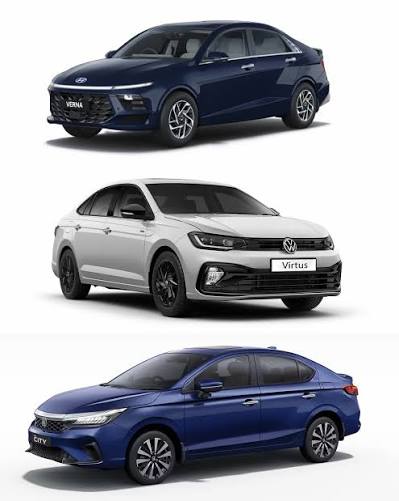
Alright, folks, if you've been eyeing a new sedan for your family or that daily office run, you know the drill. It's a crowded market, but four names consistently pop up when we talk about the mid-size segment: the Honda City, Hyundai Verna, Volkswagen Virtus, and Skoda Slavia. These aren't just cars; for many of you, they represent years of saving and a significant family decision.
We're not talking about some niche vehicles here. These are the segment leaders, each with its own fan base and unique appeal. Deciding between them isn't easy, and honestly, it shouldn't be. You're investing in a machine that'll be with you for years, through commutes, road trips, and school runs. So, let's break down what each of these popular sedans brings to the table, and more importantly, which one might be the right fit for *you*.
The All-Important Engine & Driving Dynamics
Look, when you're spending good money on a sedan, the heart of the matter is always under the bonnet. Each of these cars offers a different flavour. The Honda City, for example, is known for its refined petrol engine and, of course, the incredibly efficient strong-hybrid option. It’s smooth, linear, and just gets the job done without a fuss. It’s perfect for someone who prioritizes fuel economy and a relaxed driving experience in city traffic.
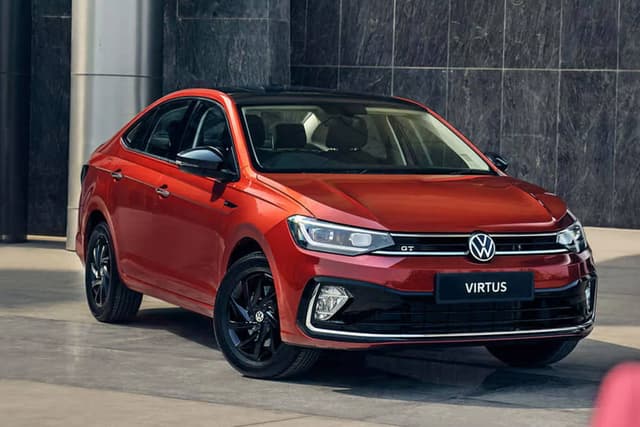
On the other hand, if you crave a bit more punch, the Hyundai Verna, Volkswagen Virtus, and Skoda Slavia all bring turbo-petrol options to the party. The Verna's turbo motor is seriously quick, and paired with its DCT, it feels eager. But it's the VW Virtus and Skoda Slavia, with their shared platforms and engines, that really shine for enthusiasts. Their 1.0L and 1.5L turbo-petrol motors are incredibly engaging, offering a fantastic balance of power and handling. They feel planted, confident, and just beg you to push them a little harder on an open highway. Honestly, for pure driving pleasure in this segment, the German twins are tough to beat.
Features, Comfort & That All-Important Cabin Feel
Step inside, and the differences become even clearer. Honda City offers a familiar, well-built cabin with good visibility and comfortable seats. It's practical and doesn't try to be too flashy. Hyundai Verna, however, goes all out on features. You get ventilated seats, a crisp infotainment system, and often, ADAS features that make driving easier and safer. It's the one that feels the most 'future-ready' right out of the showroom, and honestly, it shows in the sales numbers.
The Virtus and Slavia, while sharing platforms, have distinct interiors. Skoda Slavia feels a touch more premium with its design cues, while the Virtus offers a more straightforward, driver-focused cockpit. Both offer excellent build quality, which is something you'd expect from European brands. They don't have *every* gizmo that the Verna might, but what they offer is usually well-executed and durable. Comfort-wise, all four offer decent space for four adults, but the City and Verna probably edge out slightly in rear-seat knee room for taller passengers. It really comes down to whether you prefer a feature-rich experience or a robust, no-nonsense interior.
Specs At A Glance
Feature | Honda City | Hyundai Verna | VW Virtus | Skoda Slavia |
|---|---|---|---|---|
Engine Options | 1.5L Petrol, 1.5L Strong Hybrid | 1.5L Petrol, 1.5L Turbo Petrol | 1.0L Turbo Petrol, 1.5L Turbo Petrol | 1.0L Turbo Petrol, 1.5L Turbo Petrol |
Transmission | Manual, CVT (Petrol), e-CVT (Hybrid) | Manual, IVT, DCT | Manual, Torque Converter Automatic, DSG (1.5L) | Manual, Torque Converter Automatic, DSG (1.5L) |
Key Features (Highlights) | ADAS, Sunroof, Connected Car Tech, Rear AC Vents | ADAS, Sunroof, Ventilated Seats, Digital Cluster, Bose Audio | Digital Cockpit, Sunroof, Wireless Charging, Ventilated Seats | Digital Cockpit, Sunroof, Ventilated Seats, Touchscreen |
Safety (Airbags) | Up to 6 | Up to 6 | Up to 6 | Up to 6 |
Unique Selling Point | Refined engine, Fuel efficiency (Hybrid), Reliability | Feature-loaded, Bold design, Strong turbo engine | Solid build, European driving dynamics, Powerful engines | Premium feel, Robust build, Engaging drive |
How Does It Stack Up Against The Competition?
This is where it gets interesting. The Honda City is the veteran, the benchmark for reliability and refinement. It's the sensible choice, especially with its hybrid option delivering crazy fuel economy. It might not be the most exciting to drive, but it's a solid, dependable family car.
Then you have the Hyundai Verna, which is the flashiest of the lot. It's packed with technology, has a very aggressive design, and that turbo engine is a hoot. It appeals to those who want all the bells and whistles and a modern, feature-rich experience, often better than what Maruti gives you at this price (yes, really).
The Volkswagen Virtus and Skoda Slavia are the drivers' cars. They offer excellent build quality, fantastic handling, and powerful turbo-petrol engines that make highway cruising a joy. If you value European engineering, a solid chassis, and a connected driving feel over outright features, these two are your best bet. They feel like proper big cars for the price of a mid-spec Swift, a testament to their engineering.
The Good And The Not-So-Good
What We Like
- Driving Dynamics: The Virtus and Slavia offer a truly engaging driving experience.
- Fuel Efficiency: Honda City Hybrid is unmatched in its segment.
- Feature Set: Hyundai Verna sets the bar high with its comprehensive list.
- Build Quality: All four offer respectable build, with the Euro twins feeling particularly solid.
- Cabin Space: Good for four adults across the board, with City and Verna being slightly more generous in the rear.
What Could Be Better
- Feature Parity: Some models lack features found in rivals (e.g., ADAS not on all variants).
- Design Opinions: Verna's bold styling isn't for everyone.
- Hybrid Cost: The City Hybrid, while efficient, comes at a premium.
- Rear Seat Space: Virtus and Slavia could offer a touch more rear legroom.
- Diesel Option: The segment has moved away from diesel, which some long-distance drivers still miss.
Price & When You Can Buy It
All these sedans are currently available in showrooms across India. Pricing for this segment generally starts in the ₹11-12 lakh ex-showroom range and can go up to ₹19-20 lakh for the top-end variants, especially for the hybrid or turbo-petrol models. Specific pricing varies greatly depending on the variant and city, so it's always best to check with your local dealer for the latest figures. Remember, these are established players, so availability isn't usually an issue.
Our Verdict
Choosing between these four is like picking your favorite dish at a buffet — it really depends on what you're hungry for. If you want a no-nonsense, supremely reliable, and incredibly fuel-efficient sedan for your daily grind, especially with the hybrid, the Honda City is your answer. If you're a tech-head who wants all the latest features, a bold design, and a powerful turbo engine, the Hyundai Verna will make you grin. But for those of us who prioritize driving pleasure, solid build quality, and European-tuned dynamics, the Volkswagen Virtus and Skoda Slavia are the clear winners. Here's the thing — there isn't a bad car in this lot, just different flavors for different palates. Test drive them all, spend some time in the cabin, and let your heart (and your wallet) guide you.