
What's The Big News?
Let's be honest for a second. While everyone is busy losing their minds over mid-size SUVs and high-riding crossovers, the humble compact sedan is quietly doing its job in the background. Tata's Tigor has always been that sensible, safe, and robust choice, but it has started feeling a bit long in the tooth lately, especially with Maruti launching the feature-loaded new Dzire.
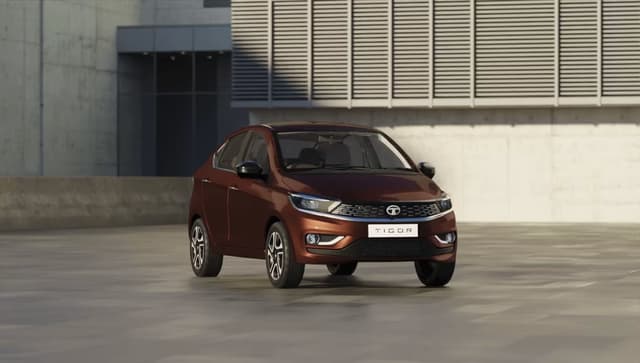
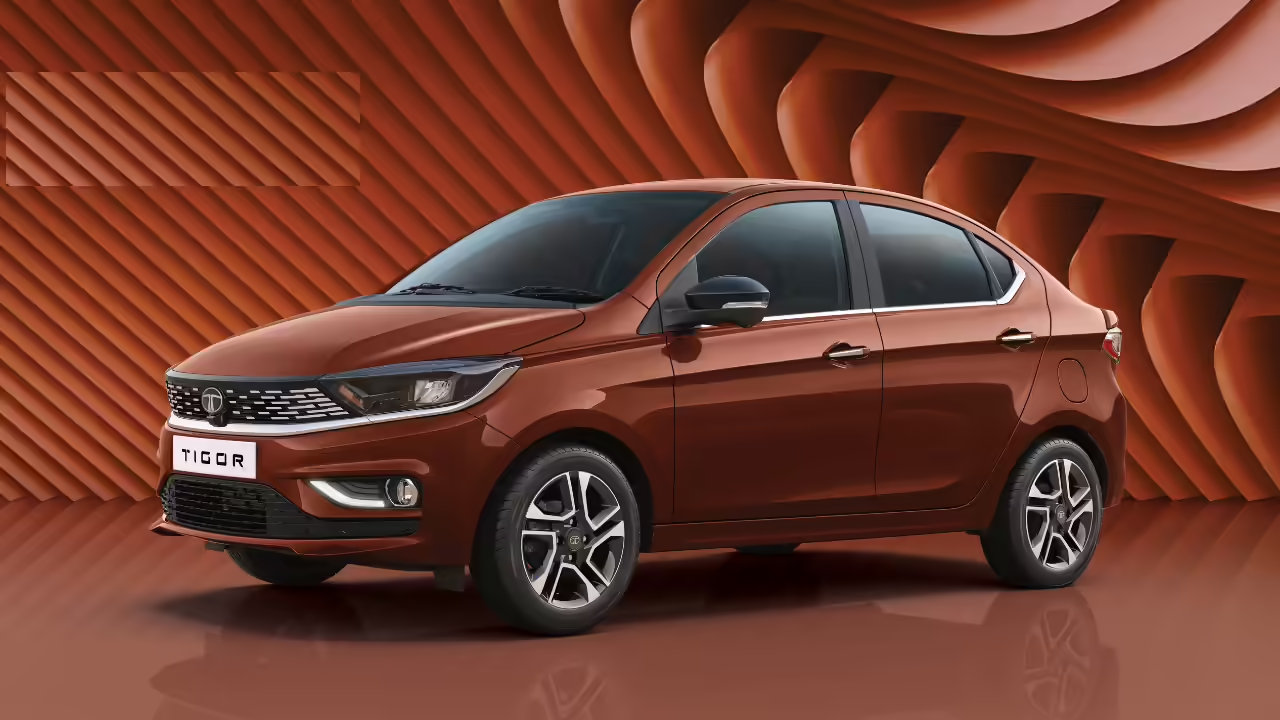
Rumours of a massive upgrade have been brewing, and we're finally getting some exciting hints about what the 2026 Tata Tigor facelift is going to bring to the table. Tata isn't just giving this car a minor bumper swap; they're planning a complete personality makeover to help it stand tall against its modern rivals. It is time for this understated sedan to step out of the shadows.
A Fresh Face To Match Its Bigger Siblings
Look at Tata's current design language on the Nexon, Punch, and Curvv, and you'll immediately see where the new Tigor is heading. We expect the front fascia to go incredibly sharp, likely adopting those sleek, split LED headlamps and a full-width light bar that we've come to love (or debate over tea) on newer Tata cars. This aesthetic upgrade will instantly lift the car's road presence, making it look much more premium than its current price tag suggests.
Under the hood, things are expected to remain familiar but refined. The tried-and-tested 1.2-litre, three-cylinder Revotron petrol engine is highly likely to continue its duties, possibly with some software tweaks to make it smoother and more fuel-efficient. We also expect the highly popular twin-cylinder iCNG technology to be a major highlight, offering usable boot space alongside cheap running costs. It is a practical setup that works well for daily city commutes, even if it won't set your hair on fire.
More Tech Inside: Stepping Out Of The Budget Shadow
Inside the cabin is where you'll spend most of your time, and Tata knows they need to step up their game here. The current Tigor's dashboard layout feels functional but a bit dated compared to what Maruti offers at this price point. We're expecting a much larger touchscreen infotainment system—potentially a 10.25-inch unit on the top-spec trims—complete with wireless Android Auto and Apple CarPlay.
Plastics and seat fabrics are also expected to get a significant upgrade, offering a more upmarket feel. Do not be surprised if you see a fully digital instrument cluster and a sleek two-spoke steering wheel with an illuminated Tata logo (and honestly, it shows how much Tata wants to democratise their premium tech). Rear passengers will likely get dedicated AC vents and USB charging ports, which are absolute lifesavers in our scorching Indian summers.
Specs At A Glance
While official figures are yet to be finalized by the manufacturer, here are the expected specifications based on current trends and reliable industry indicators:
Feature / Spec | Expected Details |
|---|---|
Engine Type | 1.2-litre, 3-Cylinder Revotron Petrol |
Maximum Power | ~86 PS (Expected) |
Peak Torque | ~113 Nm (Expected) |
Transmission Options | 5-speed Manual / 5-speed AMT |
Fuel Options | Petrol & Twin-Cylinder iCNG |
Safety Rating Target | Expected 5-Star GNCAP (Currently 4-Star) |
How Does It Stack Up Against The Competition?
Competing in this segment isn't a walk in the park anymore. The undisputed king, the Maruti Suzuki Dzire, has just raised the bar with sunroofs and 360-degree cameras, while the aura">Hyundai Aura continues to win hearts with its buttery-smooth four-cylinder engine and refined cabin experience.
Tata's main weapon here will be safety and build quality, areas where the Tigor has historically beaten its rivals. If they can match Maruti on features while keeping that solid, reassuring "thud" when you close the doors, they'll have an incredibly strong package that makes a lot of sense for safety-conscious family buyers.
The Good And The Not-So-Good
What We Like
- Fresh, modern Curvv-inspired exterior styling that looks very upscale.
- Industry-leading twin-cylinder CNG technology that actually leaves room for your luggage.
- Expected boost in cabin tech, including a larger infotainment screen.
- Excellent ride quality and robust suspension setup built for broken Indian roads.
What Could Be Better
- Three-cylinder engine refinement might still lag behind Hyundai's smooth four-cylinder motor.
- Tata's AMT gearbox can feel a bit jerky in heavy bumper-to-bumper city traffic.
- After-sales service consistency remains a hit-or-miss experience for many buyers across India.
Price & When You Can Buy It
Pricing is always the make-or-break factor in this value-conscious segment. While Tata hasn't dropped official numbers yet, we expect the 2026 Tata Tigor facelift to be priced in the ₹6.5 lakh to ₹10.5 lakh range (ex-showroom). This will keep it highly competitive, offering a solid sedan experience for the price of a mid-spec hatchback.
As for the launch timeline, we expect Tata to showcase or launch the updated model late next year or in early 2026. Official bookings and test drives will likely commence closer to the launch date, and we'll be sure to get behind the wheel the moment it hits dealerships.
Our Verdict
Here's the thing — if Tata can nail the engine refinement levels this time and iron out those minor AMT hesitations, the Dzire is going to have a massive fight on its hands. The Tigor has always been an underrated gem that deserved more attention than it got. With this 2026 avatar, it looks like Tata is ready to give it the spotlight it deserves, making it a stellar option for families who refuse to compromise on safety.