
What's The Big News?
Imagine buying a spacious, feature-loaded electric crossover for the price of a mid-spec Swift. Sounds like a sweet deal, doesn't it? Well, that's exactly what carmakers are doing in India right now by slicing away the most expensive part of an electric car—the battery pack—from the sticker price. This new ownership model is sweeping across dealerships, making clean energy look incredibly tempting to buyers who previously scoffed at premium EV pricing.
It's called Battery-as-a-Service, or BaaS (about time, Maruti, to take some notes). While it brings down the initial cost of ownership to unbelievable levels, it introduces a unique monthly running expense. You pay for the car upfront, and then you rent the battery based on how many kilometers you drive. Let's dive deep into this new way of owning an electric car and find out if it's actually a smart financial move for you.
Decoding BaaS: How This Battery Rental Scheme Works
Under a typical BaaS model, you buy the physical car shell, chassis, and electric motor at a heavily discounted price. The expensive lithium-ion battery pack remains the property of the manufacturer or their finance partners. You then pay a fixed rate per kilometer to rent that battery. It's like buying a smartphone cheap but paying a mandatory monthly subscription to keep the processor working. For the Indian market, this has completely disrupted how entry-level EVs are positioned.
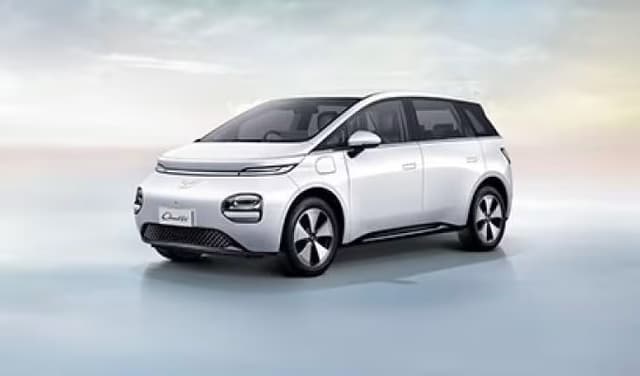
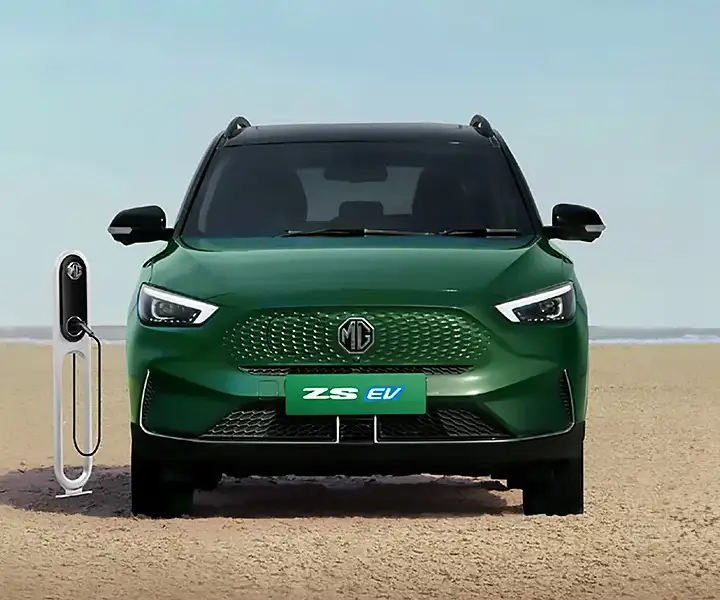
Look at MG Motor India, the brand leading this charge. They've rolled out BaaS across their entire electric lineup, including the Comet EV, the Windsor EV, and the premium ZS EV. By removing the battery cost upfront, they've managed to drop the entry barrier significantly. However, you've got to remember that you'll be paying a monthly rental bill based on your usage, usually with a minimum monthly running commitment of 1,500 kilometers (yes, really). This means even if your car sits in the garage for a month, you still pay a base fee.
The Hidden Math: Is It Cheaper Than Petrol?
Let's do some quick back-of-the-napkin calculations to understand the real-world economics. If you drive 1,500 km a month, a standard petrol car giving you 15 km/l will cost you roughly ₹10,000 in fuel at current metro fuel prices. With an EV under BaaS, you'll pay the battery rental (for example, ₹3.5 per km, which equals ₹5,250) plus the actual electricity cost to charge it at home (roughly ₹1 to ₹1.5 per km, adding another ₹2,000). Your total monthly running cost sits around ₹7,250.
You're still saving money compared to a petrol car, but the gap isn't as massive as owning a traditional EV where charging is your only running cost. Where you really win is the initial acquisition cost. You don't have to break your bank account or take a massive loan right at the start. Your monthly EMIs are lower because the principal loan amount doesn't include the costly battery pack. It's a trade-off between lower upfront payments and higher ongoing monthly bills.
Specs At A Glance
Here is how the prominent BaaS models currently stack up in the Indian market:
Model | Upfront Price (BaaS) | Battery Rental Rate | Minimum Monthly Running |
|---|---|---|---|
MG Comet EV | ₹4.99 Lakh onwards | ₹2.5 per km | 1,500 km |
MG Windsor EV | ₹9.99 Lakh onwards | ₹3.5 per km | 1,500 km |
MG ZS EV | ₹13.99 Lakh onwards | ₹4.5 per km | 1,500 km |
How Does It Stack Up Against The Competition?
When you compare a BaaS-equipped car like the MG Windsor EV to a traditional rival like the Tata Punch EV, the dynamics change completely. Tata EVs don't offer BaaS yet; you pay the full price upfront. This means a Punch EV demands a higher initial loan amount, but your running cost is practically pennies after that. You aren't tied to any monthly rental contracts or mileage tracking apps.
On the flip side, the BaaS-equipped MG Windsor gives you a much larger, more premium cabin with sofa-like rear seats for the upfront price of a smaller hatchback. It's better than what Maruti gives you at this price point in terms of sheer cabin space and material quality. If you want a bigger car but have a strict budget limit for your down payment, the BaaS route makes a lot of sense. However, if you hate monthly subscription bills, the traditional Tata EV lineup remains the cleaner, hassle-free choice.
The Good And The Not-So-Good
What We Like
- Incredibly low entry price makes premium EVs accessible to budget buyers.
- No anxiety about battery degradation; the manufacturer bears the risk of replacement.
- Lower upfront loan down payment and lower monthly EMIs protect your liquid cash.
- Flexible ownership plans allow you to buy back the battery later if your financial situation changes.
What Could Be Better
- The perpetual monthly rental feels like a lifetime subscription service you can't escape.
- Minimum usage clauses mean occasional drivers end up paying for kilometers they never drove.
- Resale value of BaaS cars is still a giant question mark in our used-car market.
- Complex financing contracts can be confusing for first-time buyers.
Price & When You Can Buy It
The BaaS schemes are active right now and available at dealerships across India. The entry-level MG Comet EV starts at an attractive ₹4.99 lakh under BaaS, while the larger Windsor EV starts at ₹9.99 lakh. If you want the premium ZS EV, that's available from ₹13.99 lakh under the battery rental program. These prices make the upfront cost of electric cars almost identical to their petrol-powered counterparts, removing the 'EV premium' entirely.
Our Verdict
In my opinion, BaaS is a masterstroke for those who want a premium cabin without the premium price tag, but you must do your math before signing the dotted line. If you drive more than 1,500 km every single month, this scheme is a fantastic way to enjoy a larger car with lower upfront EMI payments. However, if your daily drive is just a short 10-km office run, the minimum monthly rental charges will eat into your savings, making a standard EV or a simple petrol hatchback a much better financial decision.