What's The Big News?
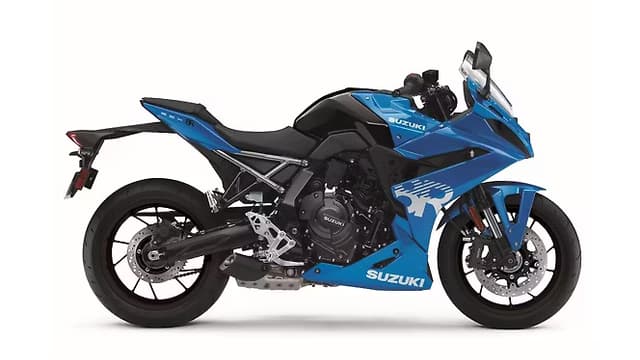
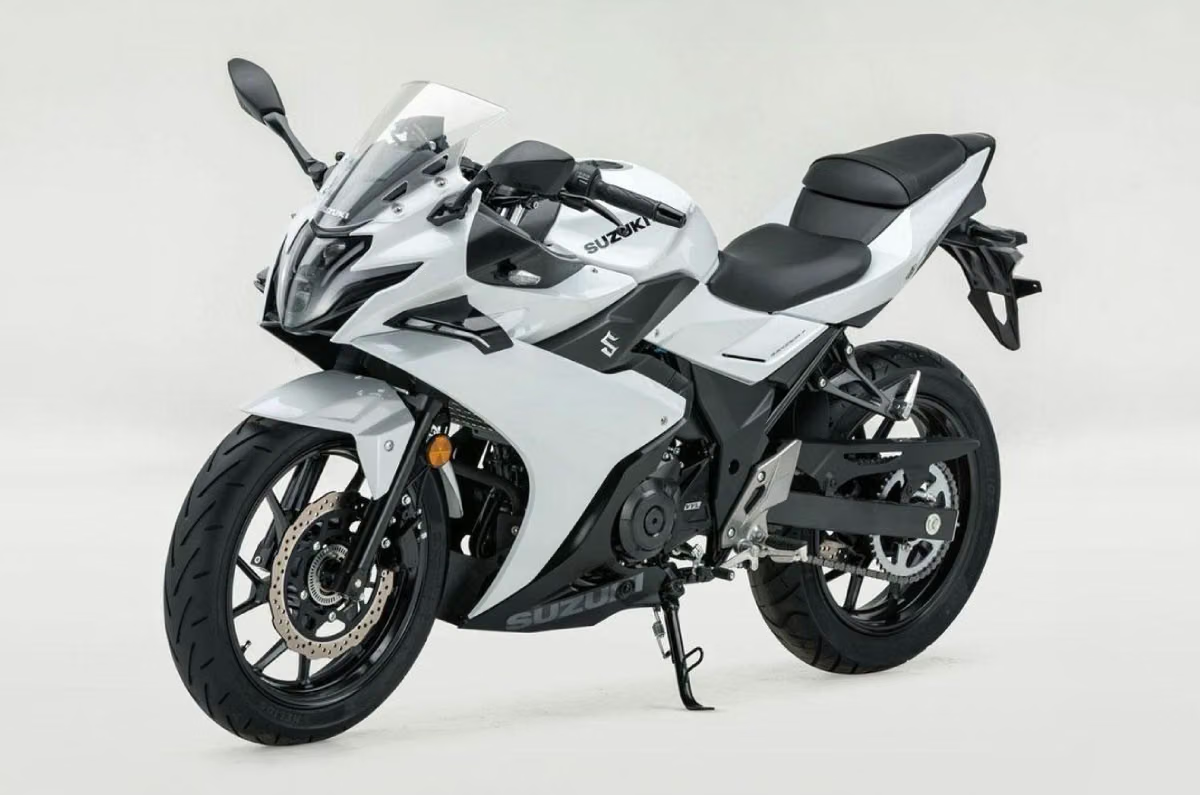
Suzuki has just pulled off a stunner in the quarter-liter segment. The Japanese bikemaker has debuted the all-new GSX250R in China, and it looks absolutely sensational. If you are an Indian enthusiast who grew up drooling over the legendary Hayabusa, this news is going to make your week. Suzuki has given this lightweight sports bike a massive cosmetic and mechanical overhaul, making it look like a pint-sized version of their legendary flagship hyperbike.
Before you dismiss this as just another international launch that we will never see on our roads, hear me out. The 250cc space in India is hotter than a plate of fresh samosas at a highway tapri. Buyers are hungry for performance, style, and everyday usability without breaking the bank. With its new design, aerodynamic winglets, and high-tech engine updates, this updated Suzuki is precisely what the doctor ordered for our market.
A Baby Hayabusa in Disguise: Design and Styling Analysis
Let's talk about that face first. Suzuki has ditched the older, somewhat conservative styling of the previous-gen GSX250R and gone straight for the juggernaut look. The front fascia is heavily inspired by the current-generation Suzuki Hayabusa (and honestly, it shows). You get a singular, aggressive headlight assembly flanked by sharp air intakes that give it an incredibly imposing road presence. It looks wide, fast, and angry even when it is just sitting on its side stand.
Aerodynamic winglets on a 250cc bike might sound like overkill to some, but they add a massive dose of superbike flavor. We have seen this trend trickle down from MotoGP to liter-class bikes, and now it is landing on quarter-liter machines. While they might not do much to keep the front wheel down at 250 km/h on a bike of this size, they look absolutely fantastic. It is the kind of aesthetic flex that will make your friends skip their tea just to stare at your ride.
Visual appeal is further enhanced by sharp fairing lines, a muscular fuel tank, and a sporty split-seat setup. Suzuki has clearly targeted the younger demographic that wants the prestige of a big bike without the intimidating power or the astronomical running costs. The build quality and paint finish look top-tier, easily matching or exceeding what you would expect from premium players in this class.
Under the Skin: VVA Tech and 30 PS Power Bump
Powering this gorgeous machine is a reworked 250cc engine that now pumps out a healthy 30 PS of power. That is a significant step up from the older version, which was often criticized for being a bit lazy and overweight. Suzuki has managed this performance boost by incorporating Variable Valve Actuation (VVA) technology. This system optimizes valve timing across the rev range, giving you a strong low-end grunt for city commuting and a screaming top-end for the highway.
Variable Valve Actuation is a game-changer for small-capacity engines. It ensures you do not have to constantly dance on the gear lever just to stay in the powerband. Whether you are filtering through chaotic Karol Bagh traffic or chasing sunrises on the Mumbai-Pune expressway, the engine promises to remain tractable and responsive. It is a sophisticated piece of engineering that elevates the bike from a mere commuter in fancy plastics to a genuine sports tool.
While official torque figures and exact engine configurations are yet to be fully detailed for all global markets, the Chinese debut confirms that this package is highly competitive. Power is sent to the rear wheel via a sleek 6-speed gearbox, likely accompanied by a slip-and-assist clutch to make those rapid downshifts smooth and drama-free.
Specs At A Glance
Parameter | Details / Specifications |
|---|---|
Engine Capacity | 250cc |
Maximum Power | 30 PS |
Valvetrain Tech | Variable Valve Actuation (VVA) |
Design Theme | Hayabusa-inspired fascia with aerodynamic winglets |
Gearbox | 6-speed manual |
Front Suspension | Telescopic forks (USD forks expected for premium markets) |
Braking System | Disc brakes with dual-channel ABS |
Launch Status | Debuted in China (India launch TBA) |
How Does It Stack Up Against The Competition?
If this motorcycle ever lands on Indian shores, it'll enter a brutal arena. It'll go head-to-head with the likes of the KTM RC 200, the TVS Apache RR 310, and even its own sibling, the Suzuki Gixxer SF 250. The KTM is a track-focused weapon, but its aggressive riding posture can give you a backache before you even exit city limits. The GSX250R, with its sport-touring ergonomics, promises to be a far more liveable daily companion.
Compared to the TVS Apache RR 310, the Suzuki will rely heavily on its Japanese refinement and twin-cylinder heritage if they stick to that layout. The Apache is loaded to the gills with tech—better than what Maruti gives you at this price point in some of their cars—but there is a unique charm to a smooth, high-revving Japanese motor that is hard to replicate. The GSX250R offers a more cohesive big-bike feel that Indian buyers absolutely love.
Even the Yamaha R15 V4, which popularised VVA tech in India, will feel the heat. Sure, the R15 is an icon, but for the price of a top-spec R15 or a mid-spec classic cruiser, buyers would gladly jump at the chance of owning a 250cc twin-cylinder pocket rocket that looks like a Hayabusa. It bridges the gap between lightweight beginner bikes and expensive middleweights beautifully.
The Good And The Not-So-Good
What We Like
- Stunning Hayabusa-inspired design that guarantees massive road presence.
- The inclusion of Variable Valve Actuation (VVA) for a highly versatile power delivery.
- Comfy sport-touring ergonomics that won't kill your wrists on long weekend rides.
- A respectable 30 PS power output that makes it a highly capable highway cruiser.
What Could Be Better
- Suzuki's hesitance in bringing their premium small-capacity bikes to India quickly.
- The added weight of a twin-cylinder setup (if retained) might affect its power-to-weight ratio.
- Expected premium pricing could push it close to highly competitive 300cc-400cc singles.
Price & When You Can Buy It
Currently, Suzuki has only debuted this machine for the Chinese market. The brand is keeping its cards close to its chest regarding an official Indian launch. However, we've seen Suzuki slowly realizing the potential of the premium motorcycle space in India. If they decide to bring the GSX250R here, they'll have to make a crucial choice: import it as a CKD unit or localize it heavily.
Should it arrive here as a localized product, pricing is expected to be in the ₹3.00 lakh to ₹3.50 lakh range. If they go the premium CKD route, it could easily touch ₹4.00 lakh, which would make it a tough sell against powerhouse single-cylinder bikes like the KTM RC 390. We'll have to wait for an official announcement closer to their global rollout plans before we get a concrete launch timeline.
Our Verdict
Here's the thing — Suzuki has a goldmine on their hands if they play their cards right. Indian motorcyclists are evolving rapidly; we aren't just looking for cheap commuter bikes anymore. We want machines that make us look back after parking them, and this mini-Busa does exactly that with its gorgeous winglets and aggressive face.
We feel that if Suzuki can localise this engine and chassis to keep the price competitive, it'll sell like hotcakes. It offers the perfect blend of jaw-dropping styling, advanced VVA technology, and relaxed ergonomics. It's high time Suzuki gave Indian enthusiasts something truly aspirational in the 250cc segment, and this bike fits the bill perfectly.