What's The Big News?
Imagine waking up to find out that the fuel you've been putting in your cherished car might be slowly eating it from the inside out. That's the exact worry buzzing around the Indian automotive community right now. A leaked, unpublished report from the Automotive Research Association of India (ARAI) has raised some serious red flags about E20 petrol and its compatibility with older engines.
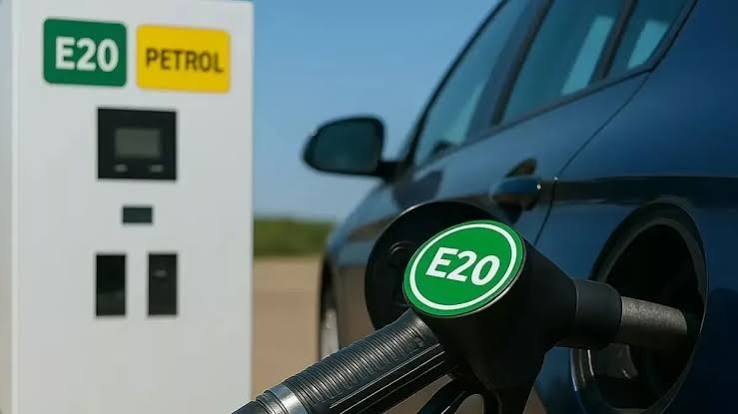
For those out of the loop, E20 is petrol blended with 20% ethanol. The government has been pushing this hard to cut down on expensive crude imports. But if you bought a car before 2023, chances are it's only rated for E10. This new leaked report suggests that feeding E20 to these older engines could lead to premature wear and tear that nobody wants to pay for.
The Hidden Damage: Rubber Parts And Fuel Systems
Let's talk about what happens when you mix high ethanol content with older fuel systems. Ethanol is highly corrosive to certain materials, especially rubbers and plastics. According to the leaked findings, E20 fuel can severely deteriorate rubber components inside the fuel systems of older, E10-compatible vehicles. We're talking about fuel lines, gaskets, and seals that keep your engine running smoothly without leaking.
Over time, these rubber parts can dry out, crack, or completely degrade. It isn't just about a minor leak either. A compromised fuel line is a massive safety hazard. If you're driving a car that you bought just three or four years ago—back when E10 was the standard—this news is bound to make you sweat a little.
Engine Trouble: The Durability Test Warning
Worse news lies in the mechanical testing. During durability trials of a BS6-compliant engine running on E20 fuel, one engine reportedly suffered a complete exhaust valve failure (yes, really), raising massive questions about long-term reliability. That's a major internal engine component, not just some cheap plastic clip you can swap out for the price of a roadside cutting chai.
Why did this happen? Ethanol burns differently than pure petrol. It can run hotter, and it lacks the same lubricating properties as pure gasoline. While modern E20-tuned engines are built with hardened valves and seats to handle this extra thermal stress, older BS6 or BS4 cars simply weren't designed with these heavy-duty alloys. If your engine valves fail, you're looking at a massive repair bill that could easily cost as much as a used commuter bike.
Specs At A Glance
Here is how the two fuel types stack up based on known chemical properties and the leaked findings:
Feature / Property | E10 Petrol (Standard) | E20 Petrol (New Blend) |
|---|---|---|
Ethanol Content | 10% | 20% |
Corrosive Property | Low to Moderate | High (especially on rubber) |
Engine Compatibility | BS4 & early BS6 vehicles | BS6 Stage 2 (April 2023 onwards) |
Reported Risk on Older Cars | None (Standard operation) | Rubber degradation, valve wear |
How Does It Stack Up Against The Competition?
Remember when we transitioned from BS4 to BS6? That was a massive headache for manufacturers, but at least the fuel itself didn't threaten to dissolve your engine from within. If you compare this transition to running CNG, CNG kits are at least factory-certified or retrofitted with specific valve seats designed to handle dry heat. With E20, you don't have a choice at the pump anymore; it's slowly becoming the only fuel available across India.
Unlike premium petrol variants of the past that promised cleaner burning with special additives, E20 is a structural change to the fuel chemistry. If you own an older premium hatchback or sedan, you're stuck between a rock and a hard place. You can't just easily swap out your entire fuel line network with E20-compliant parts because manufacturers simply don't sell those as aftermarket upgrade kits.
The Good And The Not-So-Good
What We Like
- Lower national carbon footprint for newer, compatible vehicles
- Reduced dependency on expensive oil imports
- Boost for local sugarcane farmers who produce ethanol
What Could Be Better
- Potential long-term damage to millions of older E10 cars currently on road
- Lack of clear, official communication from the government and manufacturers
- Risk of incredibly expensive engine repairs for unsuspecting car owners
Price & When You Can Buy It
You don't need to wait to buy E20; it's already flowing through nozzles at most fuel stations across the country. The government aims for a complete nationwide rollout of E20 fuel by 2025. Right now, there is no price discount for ethanol-blended fuel at the bunk, which feels a bit unfair considering it has lower energy density than pure petrol, meaning you actually get slightly worse fuel economy.
Our Verdict
Here's the thing — we cannot stop progress, but we shouldn't sacrifice the cars of hardworking people on the altar of green targets. If you're driving an older E10 vehicle, don't panic just yet, but keep a very close eye on your fuel lines during your periodic services. Honestly, the government and manufacturers need to come clean with this ARAI report and offer clear solutions, because leaving millions of Indian car owners in the dark is simply unacceptable.