What's The Big News?
Alright, listen up, folks. If you've ever thought about getting an electric scooter but were put off by how slow the 'no license, no registration' ones are, then I've got some potentially exciting news for you. India's automotive certification bodies, the folks who decide what's safe and legal on our roads, are reportedly taking a close look at the rules governing low-speed electric two-wheelers. This isn't just a routine check-up; it's a review that could change the game for affordable, everyday electric mobility.
We're hearing through the grapevine that the current cap on motor power – that restrictive 250-watt limit – might just get a bump. And it's not just about power; the weight specifications for these budget-friendly EVs are also apparently under the scanner. Think about it: more power, potentially more robust builds. This could mean a whole new class of electric two-wheelers, sitting comfortably between the basic electric bicycles and the full-fledged, license-requiring electric scooters we see today.
Why Current Low-Speed EVs Felt Like a Compromise
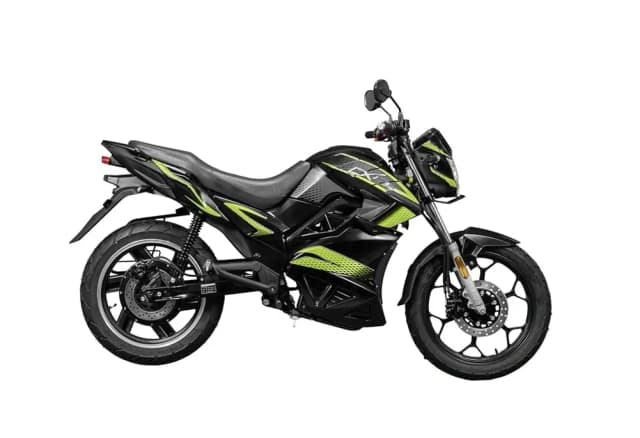
Let's be honest, the current crop of low-speed electric two-wheelers, the ones that don't need a driving license or registration, have their place. They're great for quick grocery runs in the neighbourhood or for youngsters learning to ride. But their limitations are pretty stark, aren't they? That 250-watt motor and a strict 25 kmph top speed mean you're often relegated to the slowest lane, struggling on inclines, and sometimes feeling a bit vulnerable in city traffic. It's a speed that feels more like an electric cycle than a proper two-wheeler.
Many Indian commuters need something that can keep up with at least the ebb and flow of urban roads, something that doesn't feel like it's holding up traffic or struggling every time you hit a slight gradient. The current rules, while making EVs accessible, also pigeonhole them into a very specific, often frustrating, use case. You can't really take them on a main arterial road or expect them to carry a pillion rider comfortably for anything more than a short hop. It's why many enthusiasts, like us, felt these were a bit of a compromise, a stop-gap solution rather than a true alternative.
What Could This Rule Change Bring?
Now, if these rules actually get updated, we could see a real transformation. Imagine electric scooters with, say, 500-watt or even 1-kilowatt motors. That's a significant jump! It wouldn't make them racing machines, no, but it would certainly allow for a more respectable top speed – perhaps 40-50 kmph. That's a sweet spot for many city commutes, isn't it? It means better acceleration off the line, the ability to merge into traffic with more confidence, and tackling those small flyovers or inclines without breaking a sweat.
Beyond just speed, a higher power limit, combined with potentially revised weight specifications, opens doors for manufacturers. They could build sturdier frames, incorporate larger battery packs for better range, and even add more features without worrying about exceeding the current restrictive parameters. This isn't just about going faster; it's about improved overall ride quality, better stability, and crucially, enhanced safety. A vehicle that feels more planted and responsive is inherently safer. It would bridge the gap between a basic e-cycle and a higher-speed, more expensive electric scooter, creating a new, highly practical segment that's perfect for the average Indian family looking for affordable, reliable daily transport.
Specs At A Glance
Category | Current Low-Speed EV Limit | Expected New Limits |
|---|---|---|
Motor Power | Up to 250W | Likely increase (Details Awaited) |
Top Speed | Up to 25 kmph | Likely increase (Details Awaited) |
Weight Specification | Implied by power/speed limits | Likely revised (Details Awaited) |
License/Registration | Not required | Potentially required for new category (Details Awaited) |
How Does It Stack Up Against The Competition?
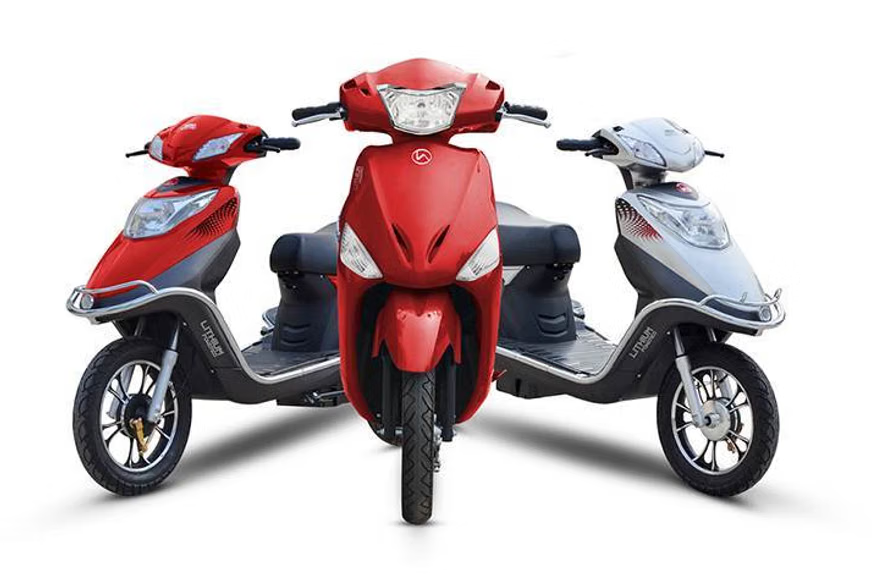
Right now, the low-speed EV segment (think the basic Hero Electric Optima CX or Okinawa R30) is largely competing with pedal-assist electric bicycles on one end and full-fledged, registered 125cc petrol scooters or higher-speed electrics like the Ola S1 X or TVS iQube on the other. There's a huge performance and price gap in between. The current low-speed options are great for their license-free status but fall short on real-world usability for many.
The potential new category of EVs, with more power and a higher top speed, would slot in perfectly. They wouldn't directly compete with the faster, more feature-rich EVs which are often priced upwards of ₹1 lakh. Instead, they'd offer a compelling alternative that's more capable than the current 250W models, likely at a price point that's still significantly less than the premium EVs. This new class could become a serious contender against entry-level petrol scooters, offering lower running costs and a hassle-free riding experience for a similar upfront investment, especially for riders who don't need highway speeds but want more than 25 kmph.
The Good And The Not-So-Good
What We Like
- More Practical Commute: Finally, an affordable EV that can keep up with city traffic without feeling like a slowpoke. It's about time, Maruti!
- Enhanced Safety: Better acceleration and speed control means safer merging and overall riding, especially on main roads.
- Wider Appeal: This new class could attract a much broader audience, including those who found current low-speed EVs too limiting.
- Better Builds: Revised weight limits could allow for sturdier frames, bigger batteries, and improved components.
- Reduced Range Anxiety: Potentially larger battery packs could mean longer rides between charges, making them more viable for daily use.
What Could Be Better
- License & Registration: If speeds increase, it's highly probable that a driving license and vehicle registration will become mandatory. This takes away a key selling point of the current low-speed segment (yes, really).
- Price Hike: More power, bigger batteries, and better components will naturally push up the price point. These won't be as cheap as the current ₹60,000 offerings.
- Charging Infrastructure: While improving, charging infrastructure for EVs across India still needs significant growth to support a larger fleet.
- Standardization: Hopefully, the new rules will also push for better standardization of components and battery packs, benefiting consumers in the long run.
Price & When You Can Buy It
Okay, so let's get this straight: there are no official prices or launch timelines yet. This is all still under review, meaning no new models are confirmed to be hitting showrooms next week. However, if the motor power and capabilities increase, pricing will naturally see an upward revision from the current low-speed EV range. We could be looking at these new-age scooters costing somewhere in the ₹80,000 to ₹1.1 lakh bracket, depending on specifications and battery capacity.
As for when you can buy one? Well, that depends entirely on how quickly the testing and certification agencies finalise their recommendations and how swiftly the government implements them into the Central Motor Vehicles Rules. Once the new regulations are officially published, that's when manufacturers will really kick into high gear. So, clarity on launch timelines and specific models will only come much closer to the official announcement of these revised rules.
Our Verdict
Here's the thing — this potential overhaul of low-speed electric two-wheeler regulations is incredibly significant. For years, we've had a gaping hole in the market: affordable, practical electric scooters that don't need a license but also don't feel like they're crawling. This review by the certification agencies signals a recognition of that need. If the power and weight limits are indeed increased, it could unlock a massive opportunity for manufacturers to offer truly usable, budget-friendly EVs that are perfect for the Indian commuter.
Honestly, this move feels like a genuine win for the everyday Indian commuter who's been waiting for an EV that makes sense for their daily grind without breaking the bank or requiring a full-fledged license (though that might change for the new category). It’s about time our regulations caught up with what consumers actually need on our diverse roads. I'm genuinely excited to see what kind of vehicles emerge from this review; it could be the catalyst for the next big wave in Indian electric mobility.