What's The Big News?
Okay, so you've been seeing those fuel prices, right? Cracking the ₹100/litre mark wasn't a one-off; it's become the new normal in many parts of the country. Now, imagine a global scenario where crude oil goes even crazier, thanks to international tensions or supply chain disruptions. That's exactly what's happening, and frankly, it's making India's dependence on imported oil a massive headache, not just for the government's balance sheet, but for every single one of us who owns a vehicle.
This escalating oil bill and the instability in global markets are forcing a big, fundamental rethink in Delhi. It's no longer just about environmental benefits or tech upgrades; it's now about national energy security and keeping your everyday commute affordable. The message is clear: the switch to electric vehicles (EVs) isn't just a distant dream anymore; it's getting a massive, urgent shove into top gear.
India's EV Shift Gets a Turbo Boost
For years, we've talked about India's EV potential, but progress felt a bit slow, didn't it? Well, those days are quickly changing. The rising cost and sheer unpredictability of crude oil supplies mean our government simply can't afford to drag its feet. We're talking about a significant portion of our import bill tied up in oil, money that could be going into infrastructure, education, or healthcare. This Gulf oil shock, in particular, is like a massive wake-up call, pushing policymakers and industry leaders to act with unprecedented speed.
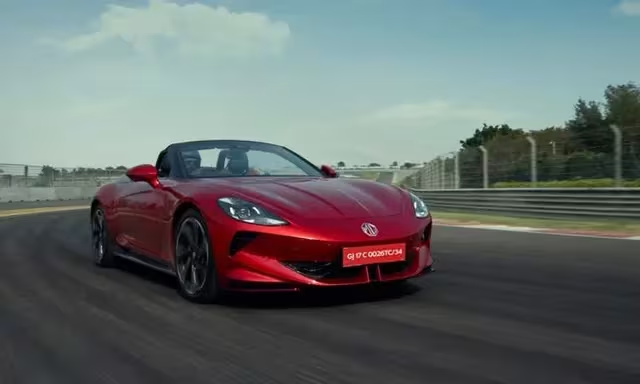
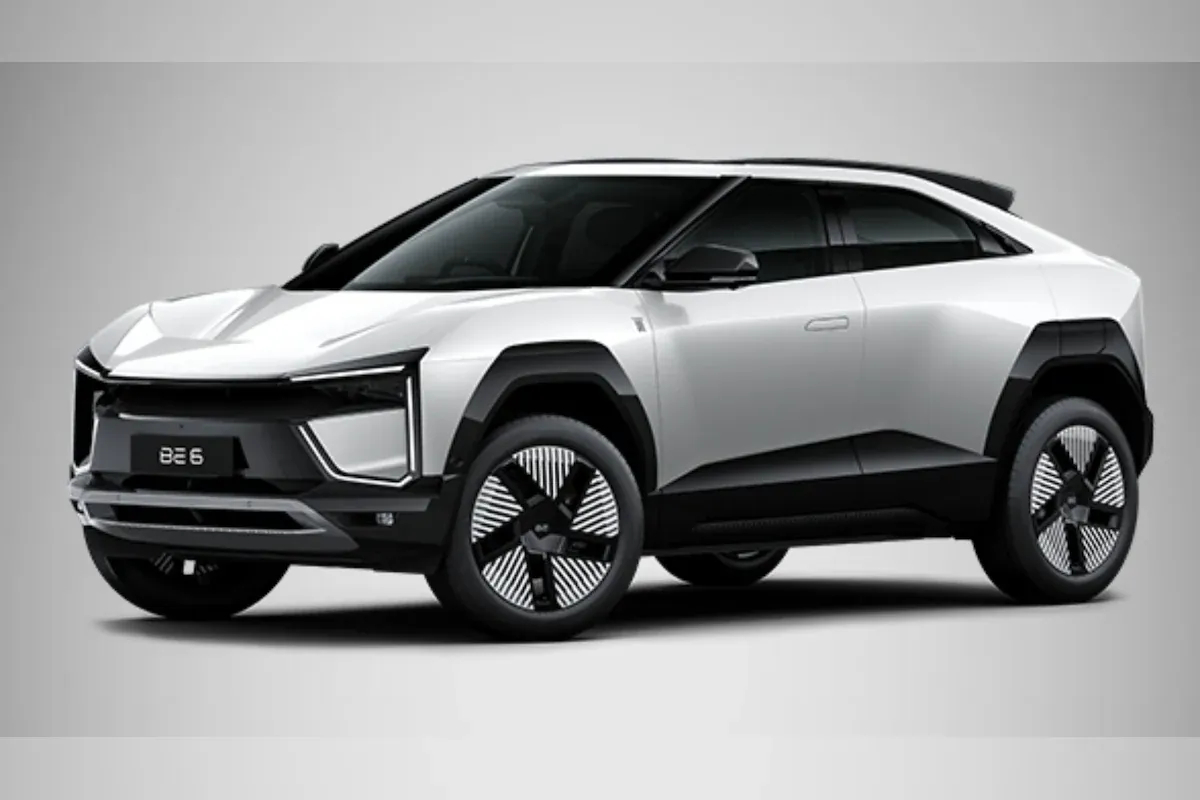
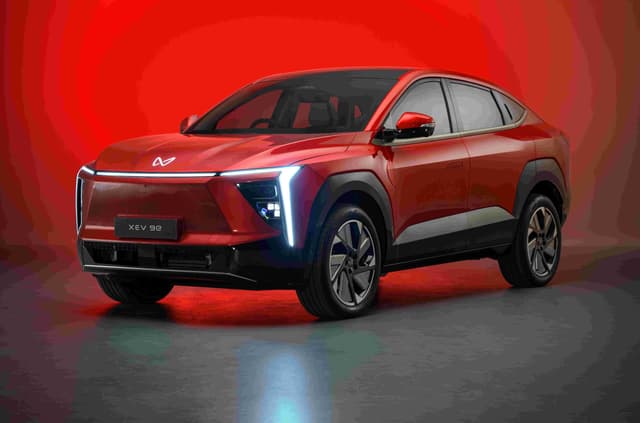
What does this mean on the ground? Expect more aggressive policies, faster rollout of charging infrastructure (yes, really!), and a surge in new EV models hitting showrooms. Manufacturers, both homegrown like Tata and Mahindra, and international players, are seeing the writing on the wall. They know the demand for petrol/diesel vehicles will become increasingly difficult to sustain for the average Indian family. Their product pipelines are being recalibrated to prioritize electric, and honestly, it shows. We're already seeing a much wider array of choices than even a couple of years ago, from electric scooters that cost less than a good smartphone to SUVs that can actually go the distance.
The Wallet Impact: Why EVs Make More Sense Now
Let's get down to what truly matters to the Indian buyer: your hard-earned money. The biggest pain point for any vehicle owner right now is fuel cost. With petrol and diesel prices constantly climbing, the running cost of an ICE (Internal Combustion Engine) car is becoming unbearable for many. This is where EVs shine brightest. Charging an EV, even with home electricity rates, is significantly cheaper per kilometre than filling up your tank. We're talking savings that can literally be thousands of rupees every month, depending on your usage.
Sure, the initial purchase price of an EV might still feel a bit steep compared to a similarly specced petrol car – sometimes for the price of a mid-spec Swift, you're looking at a base model EV. But consider the long game. Government subsidies, both central and state, are designed to soften that upfront blow. Plus, the reduced maintenance costs for an EV (fewer moving parts, no oil changes, etc.) add to those savings over time. Here's the thing — with petrol prices showing no signs of backing down, that break-even point for an EV is coming much, much faster than anyone anticipated. Your wallet will thank you for making the switch sooner rather than later.
Specs At A Glance
As this article discusses a macro-economic trend rather than a specific vehicle, a traditional 'Specs At A Glance' table with vehicle specifications isn't applicable here. Instead, we'll look at key factors influencing India's accelerating EV adoption:
Factor | Current Status | Impact on EV Adoption |
|---|---|---|
Global Oil Prices | High & Volatile | Accelerating the shift away from fossil fuels |
Government Support & Policies | Strong & Expanding (e.g., FAME-II, state subsidies) | Reducing upfront costs, boosting charging infrastructure |
Local Manufacturing & R&D | Growing Capacity & Investment | Increasing availability, reducing import dependency, bringing down costs |
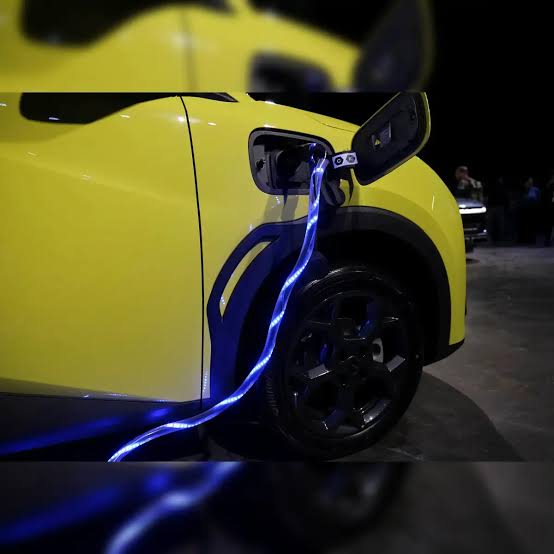
Charging Infrastructure Development | Rapidly Expanding Across Cities & Highways | Alleviating range anxiety, improving convenience |
Consumer Sentiment & Awareness | Increasingly Positive & Informed | Driving demand for electric mobility solutions |
How Does It Stack Up Against The Competition?
When we talk about "competition" in this context, we're really comparing the entire EV ecosystem against traditional Internal Combustion Engine (ICE) vehicles. For a long time, the initial price tag was the biggest hurdle for EVs. You'd shell out a fair bit more for an electric car than its petrol or diesel equivalent. But now, with fuel prices soaring, the scales are tipping.
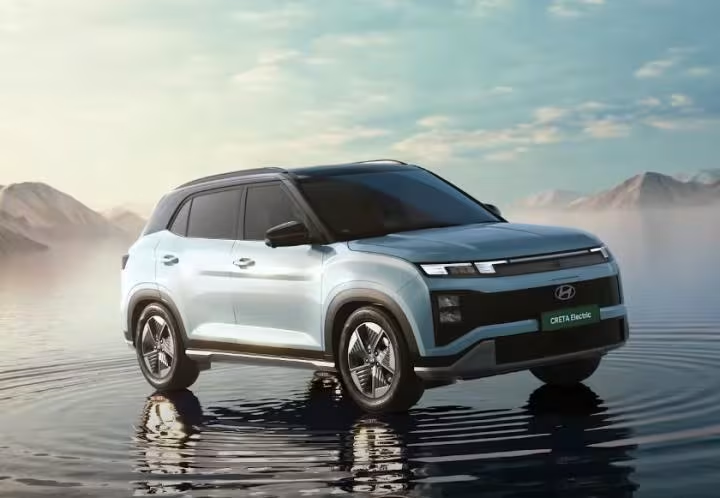
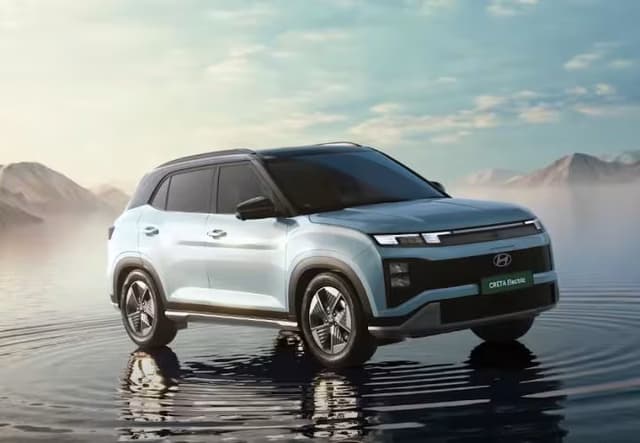
An EV, despite its higher sticker price, offers significantly lower running costs. Think about it: a full "tank" of electricity will cost you a fraction of what petrol does. This translates to immense monthly savings, especially if you have a high daily commute. While ICE cars still offer quicker refuelling and a wider network of fuel stations, EVs are rapidly catching up on charging infrastructure. Maruti and Hyundai, for instance, are pushing heavily into the EV space, which shows where the market is headed. Honestly, the competition isn't between two EV models right now; it's between the idea of owning an EV versus continuing with a petrol or diesel car in a world of unpredictable fuel prices.
The Good And The Not-So-Good
What We Like
- Massive Savings on Running Costs: This is the biggest draw. Cheaper per kilometre means more money in your pocket.
- Reduced Dependence on Fossil Fuels: Good for the nation's economy and your peace of mind from volatile fuel prices.
- Environmental Benefits: Cleaner air in our cities is always a win, and fewer emissions are a bonus.
- Faster Infrastructure Development: More charging stations mean less range anxiety, about time, Maruti!
- More Choices: Manufacturers are bringing out more models across segments, so you'll have more options than ever.
- Quieter & Smoother Drive: EVs offer an incredibly refined and silent driving experience, which is great for city commutes.
What Could Be Better
- Higher Upfront Cost: Still a hurdle for many, even with subsidies, it's a significant investment.
- Charging Time: While fast chargers exist, it's still not as quick as a 5-minute petrol refill. Home charging can take hours.
- Range Anxiety: Although improving, the fear of running out of charge on long journeys persists for some.
- Battery Replacement Costs: A long-term concern, though battery life is significantly improving.
- Limited After-Sales Network (for some brands): EV-specific service expertise is still catching up in smaller towns.
Price & When You Can Buy It
When we talk about pricing in the context of this overarching shift, we're looking at trends rather than specific vehicle costs. Currently, mass-market EVs in India generally start from around the ₹8-10 lakh mark for smaller hatchbacks and go up to ₹25-30 lakh or more for SUVs and premium sedans. However, with the government's renewed focus and increasing local manufacturing, we expect these prices to become more competitive over the next few years. Think of it this way: what you pay for a good mid-range petrol car today, you might get a decent entry-level EV for tomorrow.
As for "when you can buy it," the market is already flooded with choices from Tata, MG, Mahindra, Hyundai, and others. But the acceleration means you'll see even more launches, faster. New models are expected to hit showrooms throughout the coming year and beyond, covering more segments and price points. So, if you're planning your next vehicle purchase, it's probably worth waiting a little longer to see the even wider array of options coming your way.
Our Verdict
Look, the writing's on the wall: India's EV journey just got a significant push, courtesy of global oil volatility. This isn't just a trend anymore; it's becoming an economic imperative for the nation and a practical necessity for consumers. While the initial investment might still pinch a bit, the long-term savings on running costs are becoming undeniable, especially with petrol hitting historic highs. The challenges of infrastructure and upfront cost are being tackled with renewed vigour, and that's great news for us. In my opinion, if you've been on the fence about going electric, now is genuinely the time to start seriously considering it. The market is maturing rapidly, and India is embracing its electric future at a pace we haven't seen before.