What's The Big News?
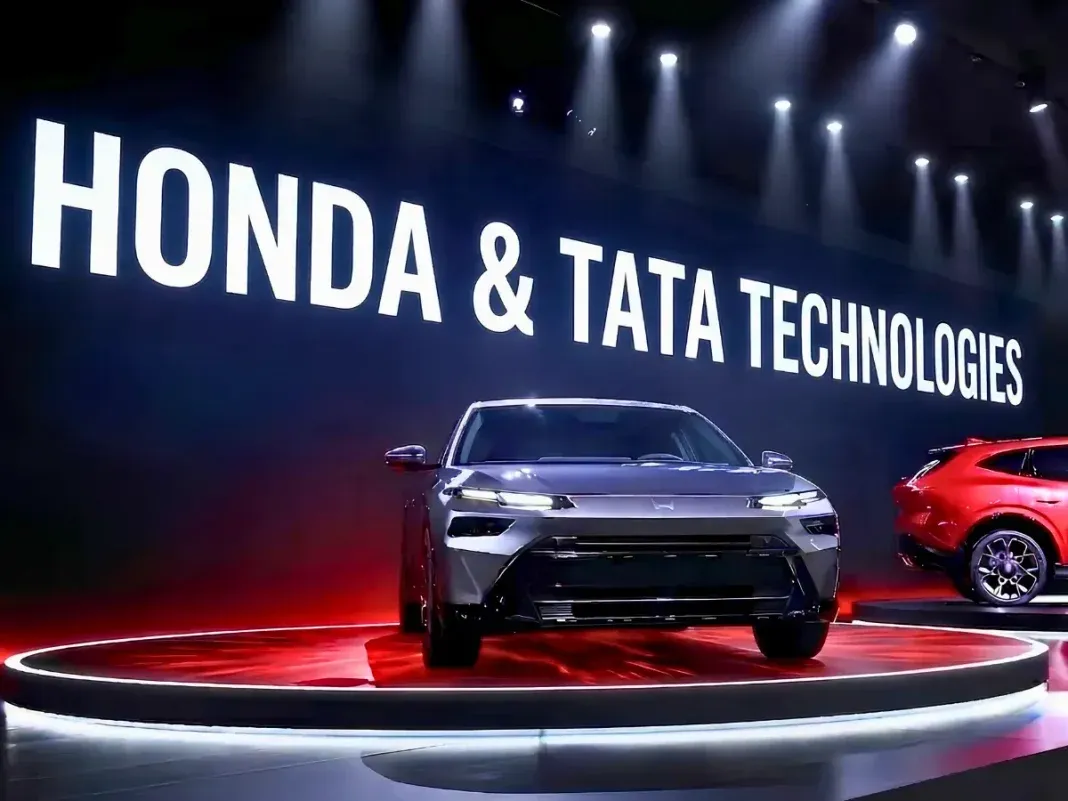
Big news coming straight out of the automotive engineering world today. Japanese automotive titan Honda has officially tied up with India's very own Tata Technologies to develop next-generation vehicle architectures and software-defined car platforms. If you've been following the industry, you know Honda builds rock-solid mechanicals, but their software and cabin tech have felt a generation behind rivals like Hyundai or Kia.
This strategic alliance brings Indian software prowess and engineering efficiency right into Honda's global roadmap. Instead of going at it alone in an expensive, isolated bubble, Honda is tapping into Tata Tech's deep expertise in product engineering, electric powertrain integration, and digital services (yes, really). For those of us who love how a Honda steers but hate how clunky their screens feel, this partnership could change everything.
Why Honda Is Leaning On Tata Technologies
Let's break down why this move makes absolute sense. Japanese carmakers have traditionally been cautious, perfecting mechanical hardware like high-revving petrol engines and smooth CVTs before touching digital tech. However, the modern car buyer wants massive screens, lightning-fast infotainment systems, seamless over-the-air updates, and advanced connected-car features. Buying a car today feels as much like buying a giant smartphone on wheels as it does buying a mechanical machine.
Tata Technologies already works with top global OEMs, helping them design lightweight architectures, integrate complex software stacks, and speed up vehicle development cycles. By delegating key engineering and software modules to Tata Tech, Honda can drastically cut down development costs and shorten the time it takes to get new cars from the sketching board to showroom floors. It's a pragmatic move that will likely keep future Honda vehicles competitively priced — perhaps even cheaper than what Maruti or Hyundai charge for high-tech features at this tier.
Software-Defined Vehicles: The Real Battlefield
Automotive engineering isn't just about bending metal and tuning suspension anymore. The phrase being tossed around boardrooms everywhere is "Software-Defined Vehicles" (SDVs), where software dictates how the engine responds, how the safety systems intervene, and how your dashboard looks. Honda knows they need to leapfrog current technological hurdles if they want to stay relevant against aggressive competition from Chinese and Korean brands.
Working alongside Tata Technologies allows Honda to design modern electrical and electronic architectures from scratch. This isn't just for India, either; this engineering collaboration will feed into Honda's global footprint. We're talking about cleaner cabin layouts, smarter ADAS setups, faster user interfaces, and modular platforms that can host everything from hybrid petrol powertrains to pure electric setups without adding unnecessary bulk or cost.
Specs At A Glance
Since this announcement centers around platform co-development and engineering services, exact mechanical specifications for future models remain under wraps. Here is what we know about the partnership scope so far:
Parameters | Partnership Details |
|---|---|
Collaborating Entities | Honda Motor Co. & Tata Technologies |
Primary Focus | Vehicle architecture, Software-Defined Vehicles (SDVs), product engineering |
Platform Flexibility | Modular (Capable of Hybrid, ICE, and EV powertrains) |
Expected First Output | TBA (Expected in upcoming global and regional models) |
Key Tech Focus | Advanced UI/UX, ADAS software tuning, connected car systems |
How Does It Stack Up Against The Competition?
Look around the Indian market right now. Hyundai and Kia dominate the gadget-heavy spectrum with ultra-fluid screens, ventilated seats, and snappy software. Tata Motors and Mahindra have elevated their game with dedicated electric platforms (like Tata's Acti.ev architecture) and massive dual-screen cockpits. Honda, meanwhile, has been offering basic infotainment units in cars like the City and Elevate that look like aftermarket fitments from 2018.
By bringing Tata Tech into the fold, Honda aims to close this gap fast. Where Honda currently leads is ride quality, bulletproof engine reliability, and overall mechanical feedback. If Tata Tech helps them fix their sluggish tech interfaces and costly platform iteration times, a future Honda SUV or sedan could easily trump rival offerings from Hyundai, Maruti Suzuki, or Volkswagen in total ownership appeal.
The Good And The Not-So-Good
What We Like
- Combines Honda's legendary mechanical reliability with cutting-edge Indian software engineering
- Faster development cycles mean Honda can launch new models and updates much quicker
- Cost-effective platform design could lead to more accessible pricing for buyers
- Potential for dramatically improved infotainment screens, ADAS features, and connected tech
What Could Be Better
- Joint engineering projects take time; tangible results won't hit showrooms overnight
- Exact model line-up leveraging this platform hasn't been officially revealed yet
- Integration challenges between rigid Japanese processes and rapid Indian software workflows
Price & When You Can Buy It
Because this announcement is about an engineering and platform development partnership, there is no single car to price today. However, the first fruit of this collaboration — likely a next-generation hybrid or electric crossover — is expected to hit international and Indian roads within the next two to three years. Official vehicle pricing will be announced closer to their respective product launches, but expect Honda to target key mass-market price bands between ₹11 lakh and ₹25 lakh once these next-gen platforms roll out.
Our Verdict
Here's the thing — Honda needed this shot in the arm more than anyone wants to admit. They build fantastic driver-focused machines, but in a market where buyers reject great cars simply because the touchscreen feels laggy, tech matters just as much as torque. Partnering with Tata Technologies gives Honda the software chops and engineering agility it badly required. We feel this could be the turning point that restores Honda's legendary status in India and beyond, provided they execute it swiftly without losing their core driving soul.