What's The Big News?
May 2026 sales figures are out, and believe me, the electric two-wheeler market in India is heating up like a pressure cooker! We're seeing some serious shifts and an absolutely fierce battle for the top spots among the big players. It’s not just about selling scooters anymore; it’s about dominance.
From the established giants like TVS and Bajaj to the new-age disruptors like Ola Electric, everyone's pushing hard. What’s clear is that the Indian buyer's love for EVs is only growing, and manufacturers are scrambling to grab a bigger slice of that pie. You'll want to know who's winning this crucial round.
The May 2026 Electric Scooter Showdown: Who's Ahead?
Let's talk brass tacks. The fight between TVS and Bajaj for the number one spot is tighter than a new pair of jeans after Diwali! Both brands are really throwing their weight around, pushing out aggressive marketing and attractive schemes. It’s a proper slugfest, and honestly, it shows in how close their sales numbers are. Every single unit sold feels like a victory for their teams.
Ola Electric, on the other hand, continues to surprise. They've really carved out a significant space for themselves, proving that a strong online presence and competitive pricing can shake up the established order. They're not just playing the game; they're changing the rules for a lot of buyers, especially the younger crowd looking for something fresh.
Then you’ve got Ather and Hero Vida. These two are steadily strengthening their positions, not necessarily chasing the highest volumes but focusing on quality, tech, and a more premium experience. Ather's known for its refined product, while Vida, Hero MotoCorp's electric arm, is slowly but surely building trust with its comprehensive network and robust products. We’re also seeing Ampere, River, and Bgauss making their presence felt in various segments, showing that this market has room for diverse players.
What These Numbers Mean for You, The Buyer
Look, when giants fight, consumers usually win. This intense competition means every manufacturer is forced to innovate, offer better features, and think harder about after-sales service. You’re getting more bang for your buck, whether it's improved range, smarter tech, or just a more reliable machine. It’s a golden era for anyone looking to jump into the EV two-wheeler space.
The constant push also means we'll likely see more advanced battery tech, quicker charging solutions, and a wider network of service points popping up across the country. Brands can’t afford to just sell a scooter; they need to offer an entire ecosystem. This relentless race for market share will ultimately result in more choices, better quality, and hopefully, more affordable options for the common man.
Specs At A Glance
Brand | Key Models | Segment Focus | Expected Range (km) | Top Speed (kmph) |
|---|---|---|---|---|
TVS | iQube series | Premium Commuter | ~75-145 | ~78-82 |
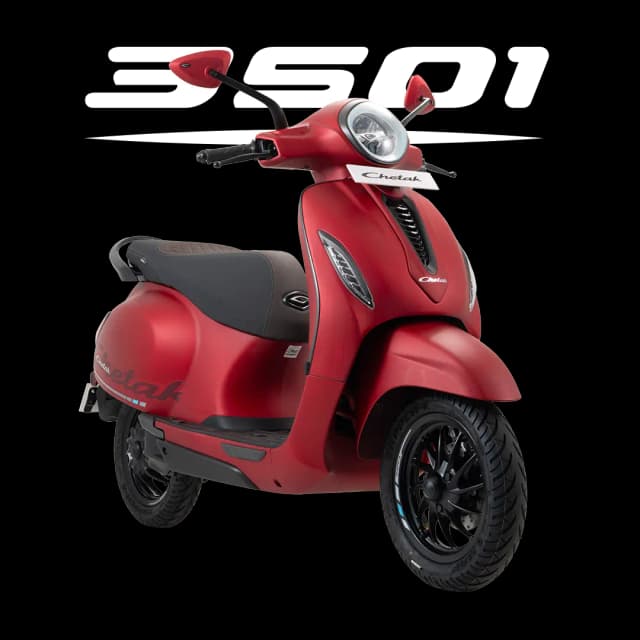
Bajaj | Chetak series | Retro Premium | ~90-126 | ~63 |
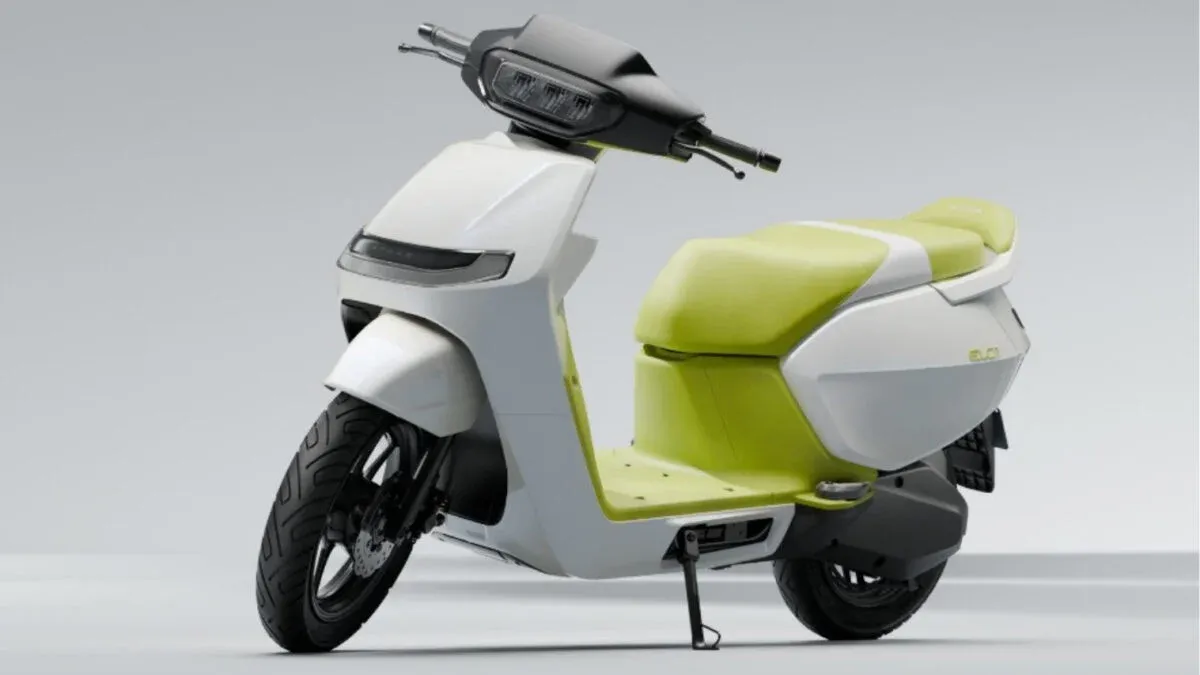
Ola Electric | S1 series | Feature-rich, Performance | ~121-195 | ~90-120 |
Ather Energy | 450 series | Performance, Tech | ~85-111 | ~90 |
Hero Vida | V1 series | Practical, Accessible | ~100-110 | ~80 |
Ampere | Magnus, Primus | Value, Everyday Commute | ~75-100 | ~50-60 |
River | Utility, Unique Design | ~120 | ~90 | |
Bgauss | D15, C12 | Urban Commuter | ~100-115 | ~60-70 |
Note: Ranges and speeds mentioned are approximate and vary by specific model variant and driving conditions. These are general figures for models currently on sale from these brands. Exact May 2026 sales figures for individual models are yet to be officially broken down, but these brands represent the major players.
How Does It Stack Up Against The Competition?
This isn't a simple "X vs Y" anymore; it's a multi-player arena. TVS and Bajaj are leveraging their decades of market presence and service networks to win over buyers. Their products, like the iQube and Chetak, resonate with people who value familiarity and reliability. They're built like proper scooters, solid and dependable.
Ola, with its aggressive pricing and feature-packed models, targets a different crowd – those who prioritize tech, performance, and aren’t afraid of a direct-to-consumer model. Their disruptive approach has forced everyone else to rethink their strategies, and that's a good thing for innovation. Ather, on the other hand, is the enthusiast's choice. It’s premium, it’s sporty, and it feels like a proper machine. They’ve built a loyal following based on performance and user experience, even if their pricing is a bit higher. Hero Vida is playing the long game, using Hero MotoCorp’s vast network to reach tier-2 and tier-3 cities, offering a practical and trustworthy alternative.
Smaller players like Ampere, River, and Bgauss are focusing on niche segments – be it affordability, specific utility, or distinct designs. They're proving that you don't need to be a giant to make an impact, offering viable choices for specific buyer needs. The market is maturing, and everyone's finding their sweet spot, which means more options for you!
The Good And The Not-So-Good
What We Like
- Intense Competition: Drives innovation and better products for consumers.
- Wider Choice: From premium to budget, performance to practicality, there's an EV scooter for everyone.
- Improving Tech: Better batteries, more efficient motors, smarter features are becoming standard.
- Growing Infrastructure: Charging networks are slowly but steadily expanding across cities.
- Environmental Benefits: A quieter, cleaner commute is always a plus for our cities.
What Could Be Better
- Charging Infrastructure: Still needs a massive boost, especially outside metros.
- Initial Cost: While dropping, it's still a hurdle for many compared to ICE counterparts.
- Range Anxiety: Remains a concern for some, especially for longer commutes.
- Standardization: Different charging ports and battery types can be confusing.
- After-Sales Service: Consistency varies wildly across brands, especially for newer players.
Price & When You Can Buy It
Most of these electric two-wheelers are readily available across India, either through dealerships or online booking platforms, depending on the brand’s sales model. Pricing for electric scooters in India broadly starts from around ₹70,000 for basic models and goes up past ₹1.5 lakh for the more premium, feature-packed offerings. Government subsidies like FAME II have played a significant role in making these vehicles more accessible, though their future remains subject to policy changes.
Brands frequently update their pricing and offer various festive discounts, so it's always worth checking their official websites or local dealerships for the latest on-road costs. What you pay will depend heavily on the specific model, battery capacity, features, and the city you’re buying in, considering state-specific subsidies.
Our Verdict
May 2026 has clearly shown us that the electric two-wheeler market isn't just a fleeting trend; it's the future, and it's here to stay. The competition is brutal, but that’s fantastic news for the Indian buyer. You're getting better technology, more reliable products, and a wider array of choices than ever before. It's a testament to how quickly our country is adapting to green mobility.
Honestly, the way these brands are innovating and fighting for every sale, we're going to see some truly incredible advancements in the coming months. If you’ve been on the fence about going electric, now might just be the best time to take the plunge. The options are compelling, and the market is pushing manufacturers to deliver their absolute best. It’s an exciting time to be an EV rider in India!