What's The Big News?
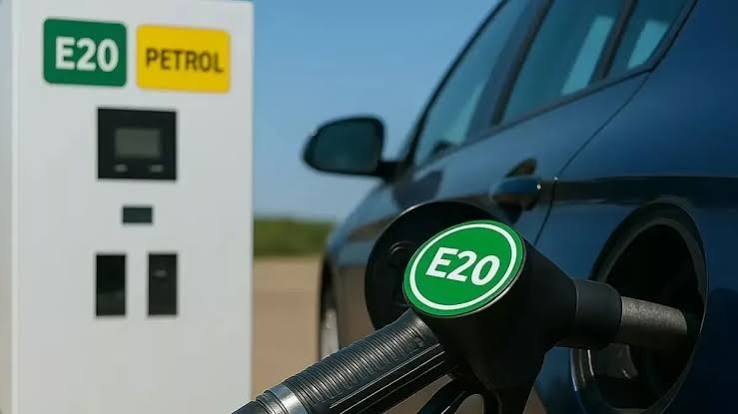
Alright, so you know how the government's been pushing E20 petrol, right? It's supposed to be our step towards greener fuel and less reliance on imported oil. Sounds good on paper, but now, the guys on the ground – the Petroleum Dealers Association (PDA), specifically in Odisha – are saying, "Hang on a minute!" They've formally asked the government to hit pause or at least review the whole thing. This isn't just some casual chat at the fuel pump; it's a serious plea.
This development is pretty significant because these are the people who actually sell you the fuel. Their concerns aren't about theoretical models; they're about practical issues, infrastructure, and what it means for you, the average Indian driver. It signals that the transition might not be as smooth as planned, and there are some real roadblocks we need to talk about.
The E20 Dilemma: Impact on Your Ride and Wallet
Here's the thing — E20 isn't just regular petrol with a dash of ethanol. It's a blend with 20% ethanol, and while it's great for reducing carbon emissions, it can be a bit of a headache for older vehicles. Most cars sold before 2018 or 2019, and even some newer ones depending on the manufacturer, aren't explicitly designed to run on E20. The higher ethanol content can be corrosive to certain rubber and plastic components in the fuel system. Imagine your trusty old Alto or a first-gen Swift suddenly facing potential issues with seals and fuel lines – that's a real worry for many.
Then there's the mileage aspect. Ethanol has a lower energy density than petrol. This means, generally speaking, you might see a slight drop in fuel efficiency when running on E20. For someone who saves up for years to buy their dream car, every kilometer per litre counts. A noticeable drop in mileage, coupled with potential maintenance issues for older vehicles, could make E20 a less attractive proposition for a huge chunk of the Indian car parc. It's not just about what's good for the environment; it's about what's practical and affordable for millions of families.
Dealer Concerns: More Than Just Fuel
It's not just about your car; the dealers themselves are staring down a barrel of issues. To dispense E20 petrol, fuel stations need upgraded infrastructure. We're talking about new storage tanks, new dispensing units, and often, a complete overhaul of their existing setup. This isn't a cheap affair, and honestly, it shows. Dealers are worried about the massive investment required, especially smaller, independent operators who might not have the capital for such extensive upgrades. And who's bearing the cost? Ultimately, some of that will trickle down to us.
Moreover, the logistics of storing and managing both E10 (the current standard 10% ethanol blend) and E20 fuel can be complex. You can't just pour E20 into tanks meant for E10 without proper segregation. The PDA's plea highlights these operational challenges, suggesting that a rushed rollout without adequate support and clarity could lead to chaos at the pumps, or worse, compromise fuel quality and availability. They're asking for a more phased and thoughtful approach, which makes a lot of sense if you ask me.
E20 Petrol: The Lowdown
Feature | Details |
|---|---|
Ethanol Blend | 20% Ethanol, 80% Petrol |
Primary Goal | Reduce crude oil import dependency, lower carbon emissions |
Compatibility | Newer vehicles (post-2019, check manufacturer), older vehicles may face issues |
Rollout Status | Phased implementation across various cities/states (ongoing) |
Potential Impact | Slightly lower fuel efficiency, potential long-term issues for older vehicle components |
What's The Trade-off? E20 vs. Regular Petrol
Comparing E20 to regular petrol isn't like comparing two different car models; it's more like choosing between two versions of the same medicine – one for the planet, one for your pocket and peace of mind with an older vehicle. The government's vision is clear: reduce India's massive oil import bill and tackle air pollution. E20 plays a crucial role in that, offering a renewable component to our fuel mix. Many developed nations have similar, or even higher, ethanol blends.
However, for the Indian consumer, especially those who own vehicles manufactured before the E20 push became prominent, it's a bit of a dilemma. Do you switch to E20 and risk potential long-term damage or reduced efficiency, or do you hold out for standard petrol, which might become less available over time? It's a tough call. The lack of clarity on vehicle compatibility across the entire spectrum of Indian cars is a big stumbling block. We need clearer guidelines and support for vehicle owners, not just mandates.
The Good And The Not-So-Good
What We Like
- Greener Fuel: Significantly reduces carbon emissions, helping India's environmental goals.
- Reduced Imports: Lowers our reliance on expensive crude oil, good for the economy.
- Renewable Source: Ethanol can be produced domestically from various crops.
What Could Be Better
- Vehicle Compatibility: Major headache for older cars; clear guidelines and support needed.
- Potential Mileage Drop: Ethanol's lower energy density could mean less kilometres per litre.
- Infrastructure Cost: Huge investment for fuel dealers, which could impact smaller businesses.
- Rollout Pace: Rushing it without proper preparation could lead to supply and quality issues.
Price & When You Can Buy It
As for pricing, E20 petrol is expected to be priced competitively, potentially slightly lower than standard petrol due to government incentives for ethanol blending. However, official pricing details will be announced closer to the full-scale rollout in specific regions. The government's target for a nationwide E20 rollout is by 2025, but as we're seeing with the dealer associations, this timeline might face adjustments. Some cities already have E20 available, but widespread availability is still a work in progress. It's a phased approach, so you'll start seeing it more and more, but the exact pace is now under review.
Our Verdict
Look, the move towards E20 is necessary. India needs to clean up its act environmentally and reduce its import dependency. But you can't just flip a switch and expect everything to be smooth sailing. The concerns raised by the Petroleum Dealers Association aren't just complaints; they're genuine red flags that highlight significant ground-level challenges. Honestly, the government needs to listen to these voices and address the issues of vehicle compatibility, dealer infrastructure, and consumer awareness more comprehensively. A well-planned, gradual transition with proper support for both dealers and consumers is crucial. Otherwise, this well-intentioned policy could end up causing more headaches than it solves for the very people it aims to help.