What's The Big News?
Bajaj Auto's big boss, Niraj Bajaj, just laid out their battle plan for the next few years, right up to FY27. It's not just a fancy presentation; it's a clear signal about where your favourite Pulsar-makers are headed, especially after a cracking FY26.
They're putting their chips on three main areas: the domestic market for bikes 125cc and above, expanding the Chetak electric scooter business, and pushing harder on exports. This isn't just a corporate announcement; it's a peek into the future of Bajaj two-wheelers in India and beyond.
Bajaj's Big Bet: The 125cc+ Motorcycle Segment
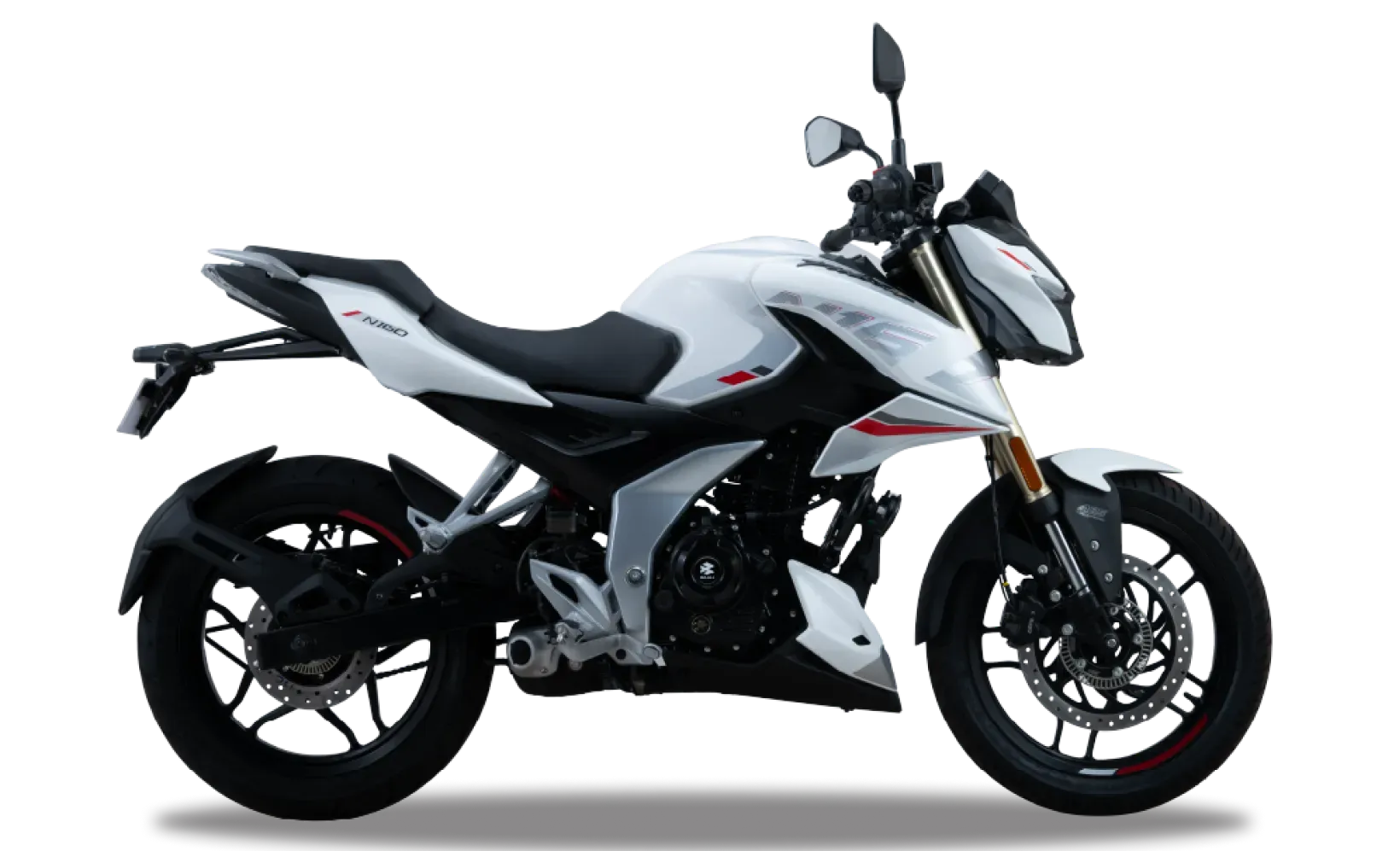
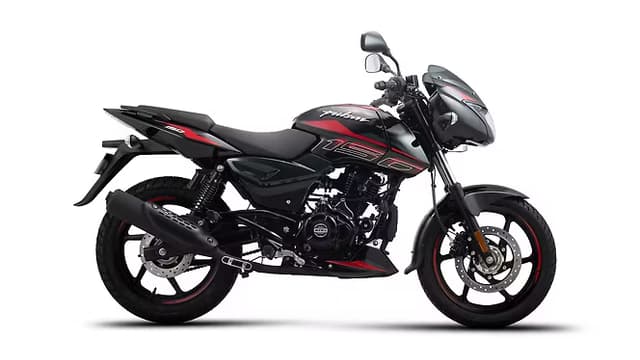
This isn't surprising, is it? Bajaj has always been strong here. The 125cc-plus segment is the heartland of Indian two-wheelers, where buyers upgrade from commuter bikes or get their first 'big' bike. It's where the Pulsar brand has reigned supreme for decades, owning a significant chunk of the market.
They've got a decent lineup already – from the various Pulsars to the Avenger and Dominar. But you can bet your last rupee they're not just going to sit pretty. We'll likely see more aggressive updates to existing models, perhaps even some all-new platforms targeting specific niches within this wide segment. Think better features, more refined engines, and designs that appeal to the younger crowd who spend hours on Instagram looking at bikes. This is where the real volumes are, where a family's first big bike purchase usually happens, and Bajaj knows it. Expect new challenges to TVS's Apache series and maybe even some heat for Royal Enfield in the entry-level retro segment.
Chetak EV and Export Ambitions
Moving to electrics, the Chetak isn't exactly setting sales charts on fire compared to some rivals, but it's a steady, premium offering. Bajaj clearly sees potential here, which is great news. We might finally see more variants, maybe even a more performance-oriented Chetak, or perhaps a more accessible one to broaden its appeal. Expanding the sales network and charging infrastructure for the Chetak will be crucial, wouldn't you agree?
And then there are exports. Bajaj has always been a big player internationally, especially in markets like Africa and Latin America. Pushing exports harder doesn't just bring in foreign currency; it also allows Bajaj to scale up production, which can eventually lead to better pricing and more R&D for us back home (yes, really!). It's a smart move that leverages their established global presence.
Specs At A Glance
Key Priority Area | Strategic Focus | Current Status / Outlook |
|---|---|---|
Domestic 125cc+ Motorcycles | Market leadership, new product development, aggressive updates | Strong existing portfolio (Pulsar, Avenger, Dominar), significant growth driver. |
Chetak Electric Scooter Business | Expansion of portfolio, wider distribution, increased adoption | Premium positioning, steady sales, key for future EV market share. |
Exports | Leverage global presence, increase market penetration | Established international player, crucial for overall revenue and scale. |
How Does It Stack Up Against The Competition?
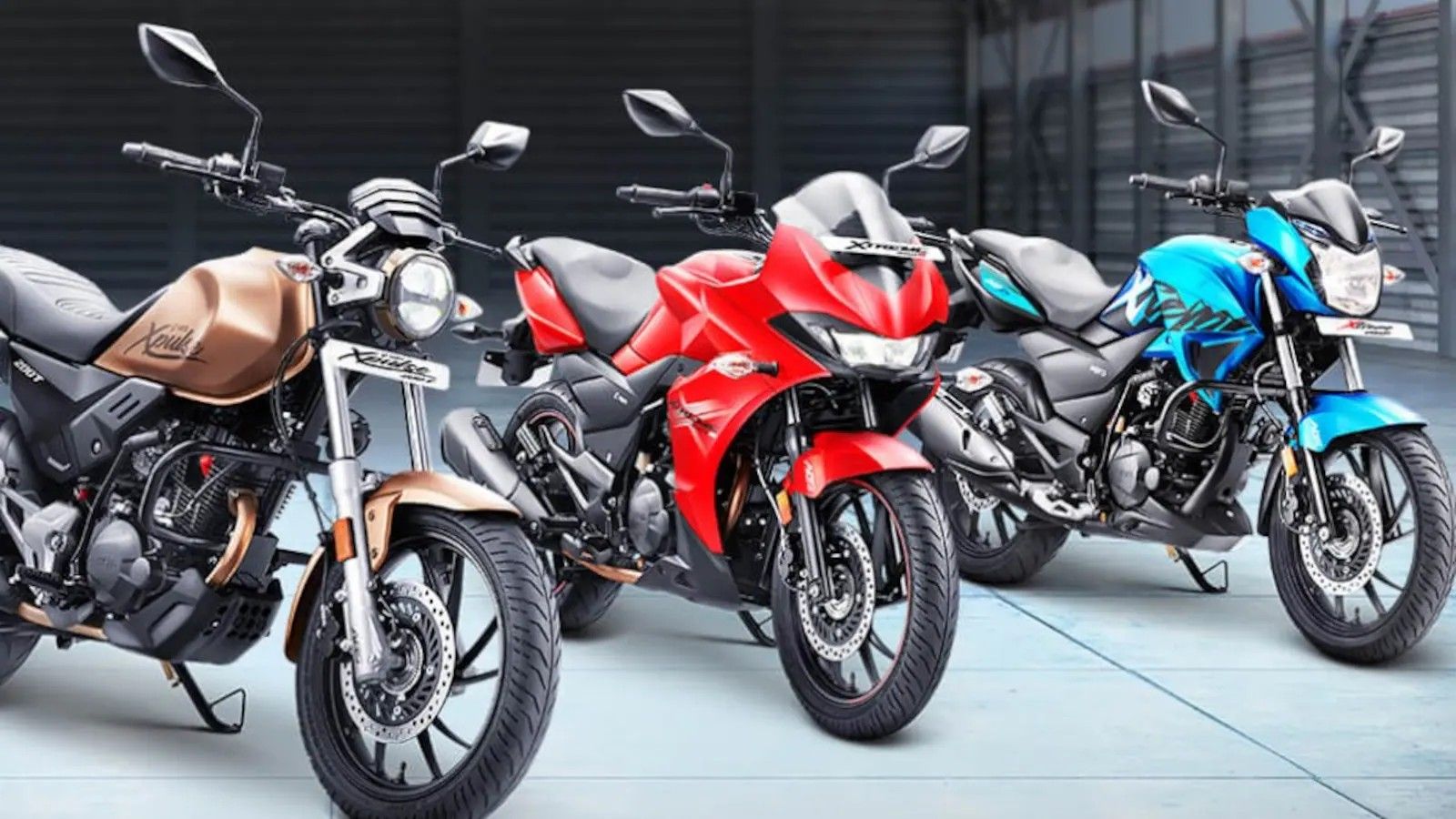
In the 125cc+ motorcycle space, Bajaj is up against heavyweights like TVS with its Apache series, Hero MotoCorp's Xtreme and XPulse lineup, and Honda's Hornet and CB series. Bajaj's advantage has always been the Pulsar brand's legacy and aggressive pricing, but competition is fierce, constantly pushing out new tech and features. Bajaj will need to innovate not just in engines, but also in connectivity and rider aids to stay ahead. It's a crowded segment, and staying relevant requires continuous effort, not just relying on brand loyalty.
For the Chetak EV, it's a different battle altogether. It's currently playing a more premium game against the likes of Ather 450X, TVS iQube, and the wildly popular Ola S1 Pro. While the Chetak offers a solid, well-built product with that unmistakable Bajaj reliability, its widespread availability and feature set need to catch up. The roadmap suggests they're aware of this, which is a good sign for future competitiveness. They can't afford to be slow here, the market's evolving too fast.
The Good And The Not-So-Good
What We Like
- Clear Vision: A well-defined roadmap provides confidence in Bajaj's future direction and growth strategy.
- Focus on Strengths: Doubling down on 125cc+ bikes where they're already strong makes absolute sense for market dominance.
- EV Commitment: Despite slow initial growth, committing to Chetak shows long-term belief in the electric future (about time, Maruti!).
- Export Push: A smart strategy to diversify revenue and achieve better economies of scale, benefiting us indirectly.
What Could Be Better
- Lack of Specifics: We're eager for concrete details on new models, engines, and tech for the 125cc+ segment.
- Chetak's Pace: The EV market is moving fast; Bajaj needs to accelerate Chetak's evolution and expand its reach much quicker.
- Dealer Network & Service: Enhancing the sales and after-sales experience, especially for EVs, will be crucial for sustained growth.
Price & When You Can Buy It
Now, let's be clear: this announcement isn't about a new model launch tomorrow. It's Bajaj Auto's strategic vision, a blueprint for the next few financial years. What this means for you, the enthusiast, is that over the coming months and years, we'll see products emerge from this roadmap.
Specific pricing and launch timelines for *new* bikes or *updated* Chetaks will be revealed closer to their individual market introductions. So, hold your horses for now, but keep your eyes peeled – new metal is definitely coming down the pipeline, and we'll be the first to tell you all about it!
Our Verdict
Look, Bajaj Auto has been a powerhouse in the Indian two-wheeler market for ages, and this FY27 roadmap shows they're not resting on their laurels. Focusing on the 125cc+ segment, where they have a historical stronghold, is a pragmatic move. It's where the volumes are, and with the right updates, they can certainly fend off competition and even gain market share. This segment is the bread and butter, and ignoring it would be foolish.
Their commitment to the Chetak EV is also commendable, though they'll need to really step on the accelerator to keep up with rivals who are innovating at breakneck speed. Expanding exports helps them globally, and that often translates to better products and pricing for us here in India. Honestly, this is a sensible, balanced approach from Bajaj, aiming for sustainable growth rather than just chasing fads. It's not flashy, but it's solid, and that's often what works best in our market. We're looking forward to seeing the new bikes and scooters that emerge from this strategy!