
What's The Big News?
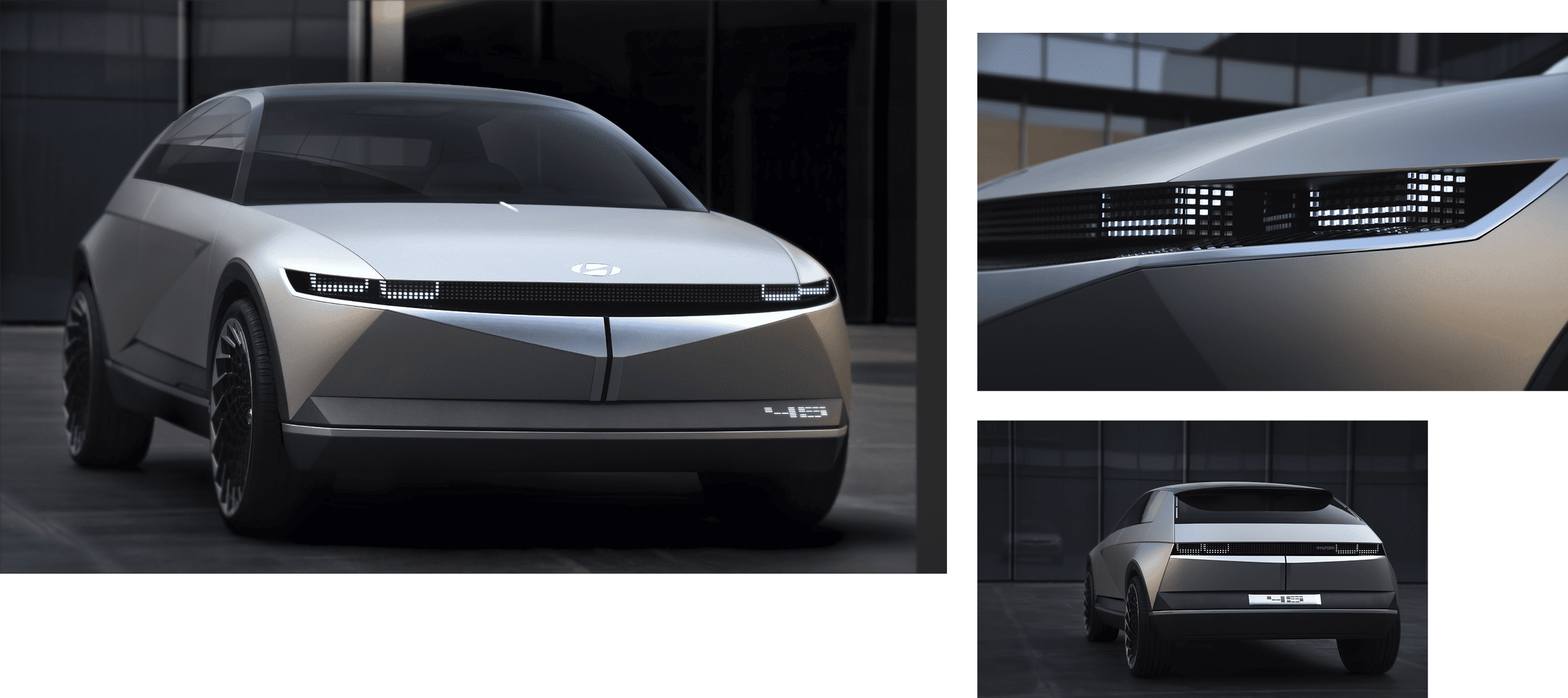
Hyundai's got big plans for India, and we're not just talking about facelifts. They're aiming to launch four completely new cars by 2027, signaling a major push towards EVs and hybrids. This isn't just about keeping up; it's about grabbing a bigger slice of the Indian auto market.
What does this mean for you? More choices, better tech, and hopefully, more affordable EVs. Hyundai seems serious about electrification, and that's good news for anyone looking to ditch petrol or diesel in the coming years. Let's dive into what we know so far.
Hyundai's Electric Vehicle Offensive
The biggest takeaway here is Hyundai's commitment to EVs. While specific models are still under wraps, expect at least one, possibly two, all-electric offerings within the next few years. Now, Hyundai already has the Kona Electric, but that feels a bit dated now, doesn't it? A fresh, India-focused EV could really shake things up, especially if they manage to price it competitively.
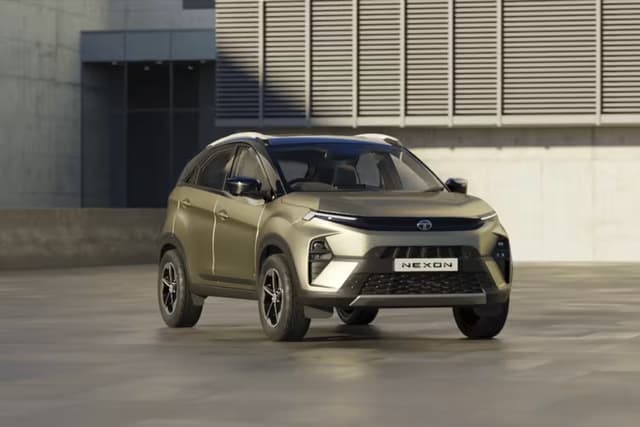
And that's the key, isn't it? EVs are still expensive in India, but with local manufacturing and government incentives, Hyundai could potentially bring an EV that's actually within reach for a wider audience. Think something in the ₹15-20 lakh range – that would definitely get people talking. We're hoping they'll learn from Tata's success with the nexon-ev">Nexon EV and tiago-ev">Tiago EV. (about time, Hyundai)
The Hybrid Route: Bridging the Gap
While EVs are the future, hybrids are the present. Hyundai understands this, and that's why they're likely to include hybrid options in their upcoming lineup. Hybrids offer a good balance of fuel efficiency and lower emissions without the range anxiety that still plagues some EV buyers. It's a smart move, especially for a market like India where infrastructure is still developing.
Think about it: a hybrid SUV that gives you the space and comfort you want, with the fuel efficiency of a small hatchback. That's a compelling proposition for many Indian families. Plus, hybrids are generally more affordable than EVs, making them a more accessible stepping stone towards electrification. Expect these to be strong sellers if Hyundai plays its cards right.
Specs At A Glance
Feature | Details |
|---|---|
Expected Launch Timeframe | By 2027 |
Number of New Cars | 4 |
Focus | EVs, SUVs, Hybrids |
EV Models | TBA |
Hybrid Models | TBA |
How Does It Stack Up Against The Competition?
Hyundai's biggest rivals are obviously Maruti Suzuki, Tata Motors, and Mahindra. Maruti Suzuki is the undisputed king of the Indian market, but they've been slow to embrace EVs. Tata Motors, on the other hand, has taken an early lead in the EV segment with the Nexon EV and Tiago EV. Mahindra is also gearing up with its own EV offerings.
To succeed, Hyundai needs to offer something different. Maybe that's better tech, more features, or a more premium experience. They need to find a niche that sets them apart from the competition. Pricing, of course, will be crucial. If they can undercut Tata on EVs or offer a more compelling hybrid SUV than Maruti, they'll be in a strong position.
And let's not forget Kia, Hyundai's sister company. Kia has been doing exceptionally well in India, and their success puts pressure on Hyundai to perform. Internal competition can be a good thing, pushing both brands to innovate and offer better products.
The Good And The Not-So-Good
What We Like
- Strong focus on EVs and hybrids – the future is electric, and Hyundai seems to get it.
- Potential for competitive pricing – local manufacturing could bring down costs.
- Opportunity to offer more premium features and tech than the competition.
- Four new cars mean more options for Indian buyers.
What Could Be Better
- Specific model details are still scarce. We need more information!
- Success depends on competitive pricing – EVs need to be affordable.
- Hyundai needs to differentiate itself from Kia and other rivals.
- Infrastructure for EVs in India is still developing.
Price & When You Can Buy It
Specific pricing and launch dates are still under wraps. Expect more details to emerge in the coming months. However, given the 2027 timeline, we can expect a steady stream of new models over the next few years. Pricing for the EVs will be crucial, with the sweet spot likely being in the ₹15-25 lakh range. Hybrid models could be slightly more affordable.
Our Verdict
Hyundai's plan to launch four new cars by 2027 is ambitious, but it's exactly what the Indian market needs. Their focus on EVs and hybrids is a smart move, and it positions them well for the future. However, success hinges on execution. They need to offer compelling products at competitive prices, and they need to build a strong charging infrastructure for their EVs. Honestly, if they can pull it off, Hyundai could become a major player in the Indian EV market. It's going to be an exciting few years to watch.