
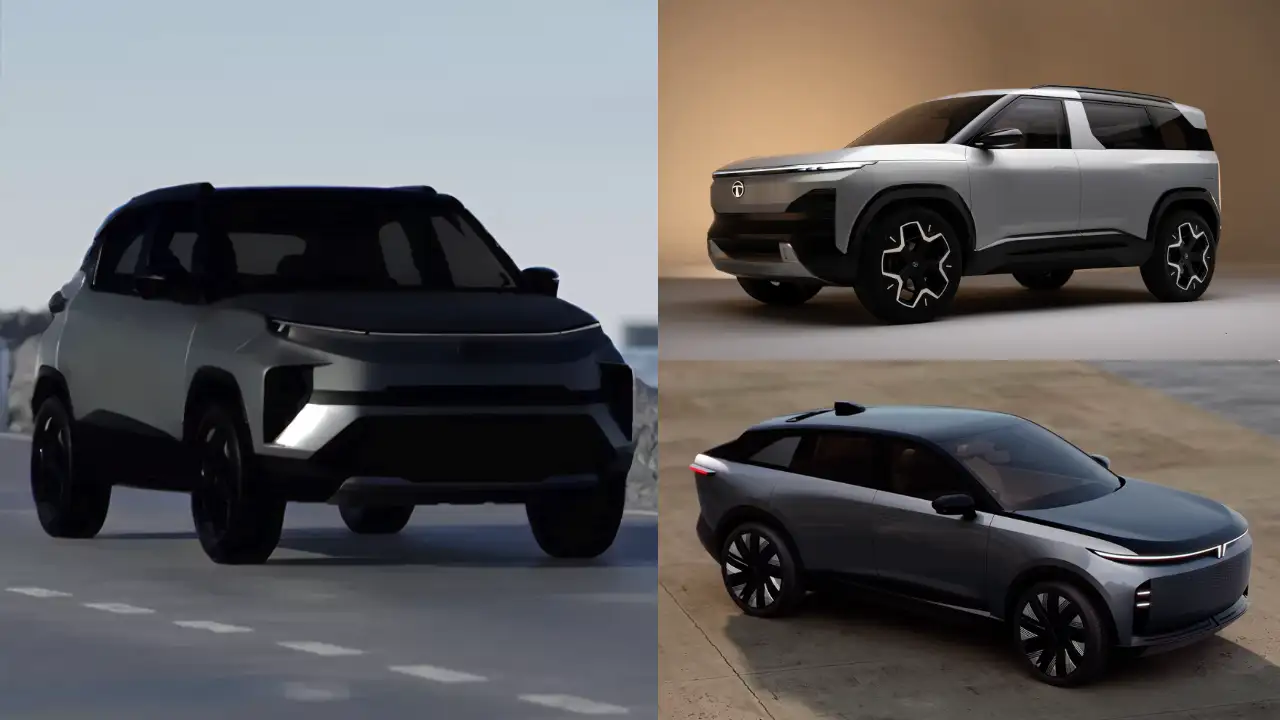
What's The Big News?
Alright folks, listen up! If you've been eyeing an electric SUV but haven't found 'the one' yet, Tata Motors is about to make your decision a whole lot harder – in a good way, that is. We're hearing whispers, strong whispers, from reliable industry sources that Tata is prepping to unleash not one, not two, but three brand-spanking-new electric SUVs onto Indian roads within the next twelve months. Yes, really!
This isn't just another product update; it's a full-blown assault on the EV market. Tata's already dominating the passenger EV space, and with this aggressive pipeline, they're clearly doubling down on their 'electric first' strategy. For us Indian buyers, who've seen Tata lead the charge with the nexon-ev">Nexon EV and tiago-ev">Tiago EV, this means more choice, better tech, and hopefully, more accessible electric mobility.
Tata's Ambitious EV Platform Strategy
Here's the thing — Tata isn't just slapping batteries into existing cars anymore. This new wave of electric SUVs is expected to leverage their advanced EV platforms. We're talking about a mix of their Gen 2 (modified ICE platforms for EV) and Gen 3 (born-electric skateboard) architectures. This multi-platform approach allows them to cater to different segments with varying levels of sophistication and, crucially, cost.
What does this mean for you, the buyer? Well, you'll likely see a significant leap in range, performance, and charging speeds. These new platforms are designed from the ground up to be electric, which translates to better space management inside the cabin – no more transmission tunnels eating up legroom! Plus, safety is always a big deal for Tata, so expect these new offerings to come packed with modern safety tech, possibly even ADAS features in the higher variants.
Design Language & Market Positioning
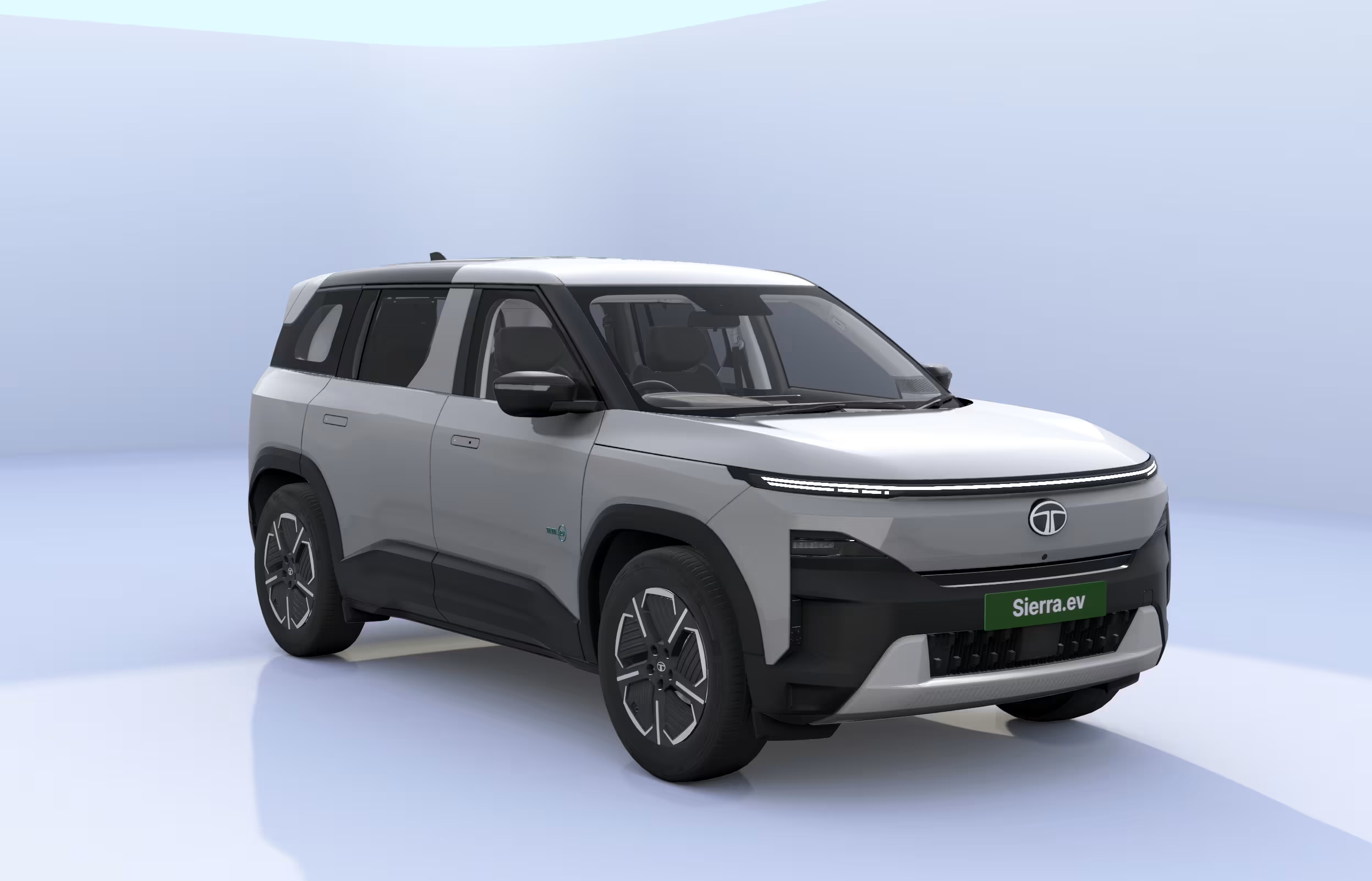
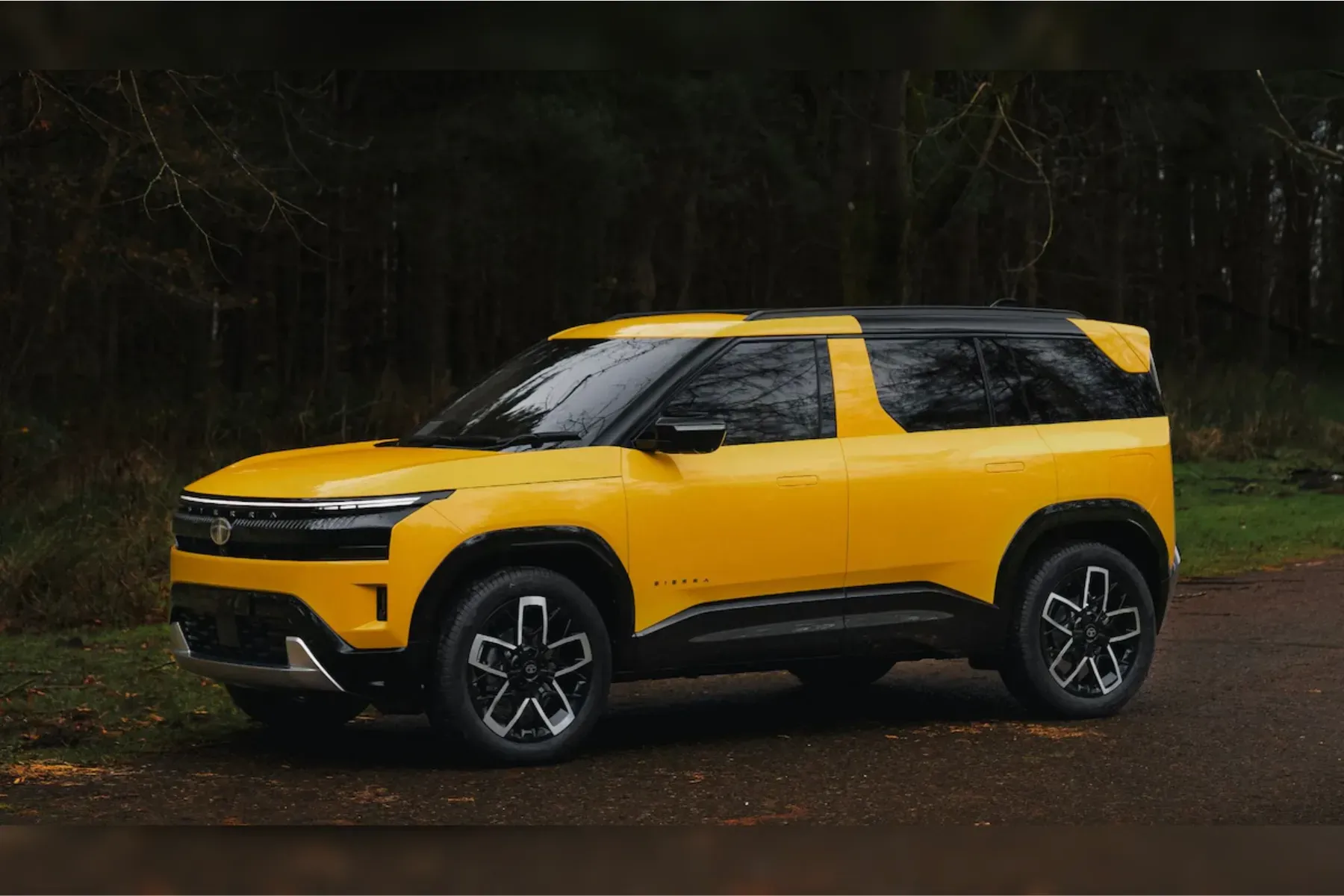
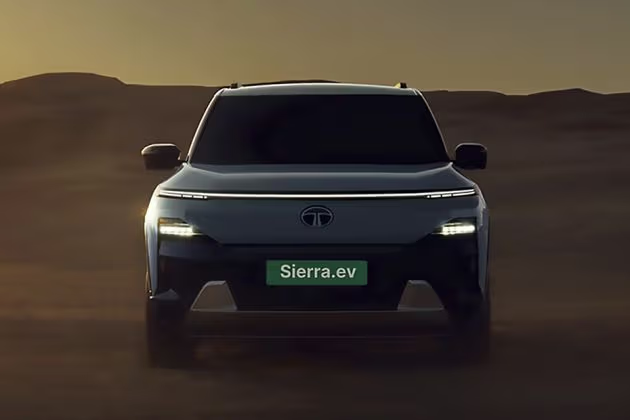
When it comes to design, Tata's been on a roll, hasn't it? The recent updates to their ICE lineup and the concept cars we've seen give us a pretty good idea of what to expect. Think sharp lines, connected LED light bars, and a thoroughly modern, premium feel. These aren't just practical family movers; they're designed to turn heads. We expect one of these SUVs to slot in as a compact offering, another to target the mid-size segment, and a third, potentially a more premium, lifestyle-oriented vehicle.
This strategy is smart because it covers a wider demographic. From someone upgrading from a hatchback to their first SUV, to folks who want a feature-packed electric family hauler, Tata's aiming to have an EV for everyone. It's about expanding the pie, not just slicing it differently.
Specs At A Glance
Feature | Expected Details |
|---|---|
Platform(s) | Gen 2 (modified ICE) & Gen 3 (born-electric) architectures |
Battery Capacity | Expected to vary significantly across models (TBA for specific kWh) |
Range (MIDC) | Likely between 400-600+ km depending on the model and battery size (official figures TBA) |
Motor Output | Expected to offer competitive power and torque figures (TBA) |
Charging | AC and DC fast charging support (specific speeds TBA) |
Infotainment | Large touchscreen with connected car tech (iRA), wireless Apple CarPlay/Android Auto expected |
Safety Features | Multiple airbags, ABS with EBD, ESP standard; ADAS features possible on higher variants |
Dimensions | Expected to cover compact to mid-size SUV segments |
How Does It Stack Up Against The Competition?
Look, Tata's got a head start in the Indian EV race, no doubt. The Nexon EV practically created the segment. But the competition is waking up. These new SUVs will face off against upcoming electric vehicles from Mahindra (like the XUV.e8 and XUV.e9), and possibly Maruti Suzuki's future EV offerings. Even Hyundai and Kia are bringing in more options, albeit at a slightly higher price point sometimes.
The key for Tata will be pricing and features. If they can offer compelling range, good build quality, and a feature set that rivals – or even beats – what the competition offers at a similar price, they'll continue to win. We're talking about a segment that’s going to get really crowded, really fast. Tata's strength lies in its established charging network and brand trust in the EV space, which is a huge advantage.
The Good And The Not-So-Good
What We Like
- Aggressive Market Expansion: More choice for Indian EV buyers.
- Advanced Platforms: Promises better range, performance, and cabin space.
- Modern Design Language: Tata's recent designs have been sharp and appealing.
- Safety Focus: Expected to maintain high safety standards.
- Charging Infrastructure: Leveraging Tata's widespread charging network (Tata Power EZ Charge).
What Could Be Better
- Pricing Strategy: Will premium features lead to significantly higher costs?
- Production Capacity: Can they meet the demand for three new models simultaneously?
- Competition Heating Up: Will need to constantly innovate to stay ahead.
- Public Charging Reliability: While expanding, consistency can always improve.
Price & When You Can Buy It
As of now, specific pricing details for these three new electric SUVs are under wraps, which is pretty standard for upcoming launches. However, given Tata's market positioning, we expect them to be competitively priced, targeting different segments. You might see the compact offering starting around the ₹12-15 lakh mark, with the mid-size and premium options climbing higher. Official pricing, along with variants and detailed specifications, will undoubtedly be announced closer to their respective launches.
Regarding availability, the report suggests these three will hit the market sequentially over the next twelve months. So, keep your eyes peeled! The first one could be just a few months away, with others following later in the year or early next. We'll bring you the confirmed dates as soon as Tata makes them public.
Our Verdict
Honestly, this news is a massive shot in the arm for the Indian EV market. Tata's commitment to electric mobility isn't just talk; they're putting their money where their mouth is with a robust product pipeline. This move will not only cement their leadership but also accelerate EV adoption across various price points and segments. For enthusiasts like us, who've seen the EV journey unfold, it's an exciting time. We feel Tata's strategic rollout of these three new electric SUVs is a game-changer, pushing the envelope on design, technology, and accessibility for the average Indian car buyer.