
What's The Big News?
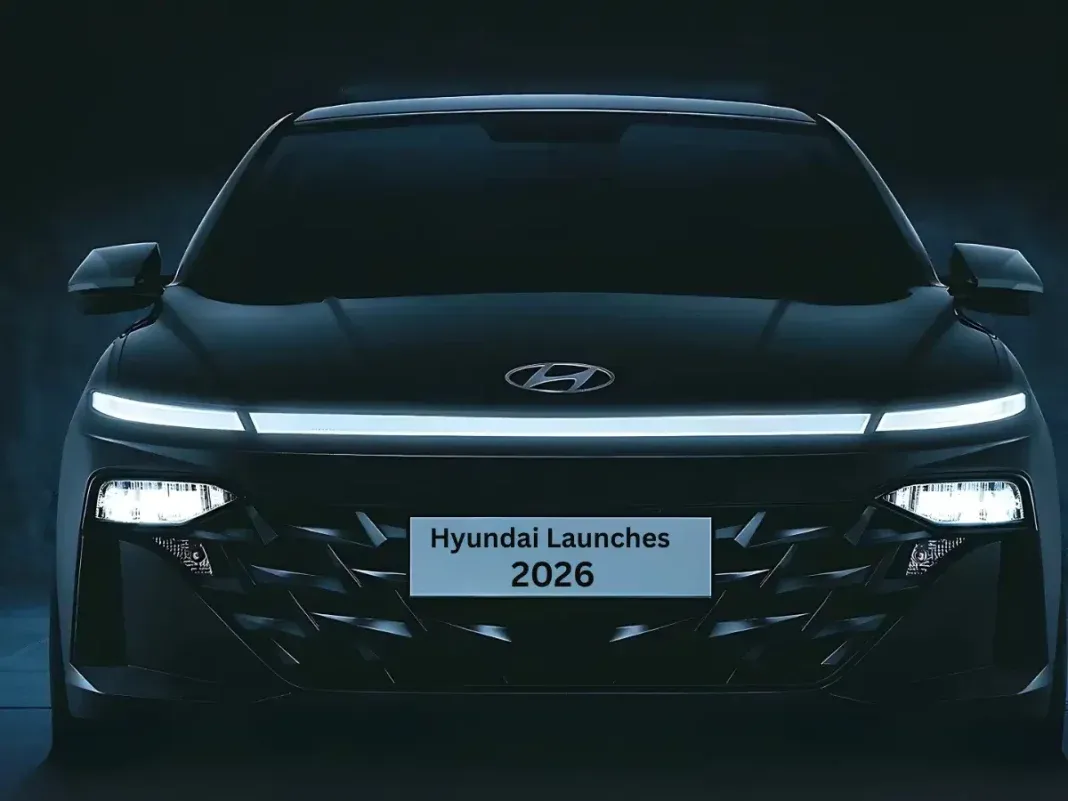
Alright, listen up, because this is big for anyone eyeing a new car in a couple of years. Hyundai, a brand that's practically a household name here, isn't resting on its laurels. We've just got word that they're gearing up to unleash four brand-new models onto the Indian market between 2026 and 2027. That's a serious commitment, isn't it?
This isn't just a minor facelift or a special edition; we're talking about entirely new vehicles. The buzz suggests a mix of segments, including an all-new i20 and possibly a compact SUV that could really shake things up. For buyers who save up for years to get their dream ride, this means more choices, more innovation, and hopefully, more value for their hard-earned money.
Hyundai's 2026-27 Lineup: What to Expect
So, what exactly is Hyundai cooking? While official details are still under wraps, the intel points towards a diverse portfolio. Headlining the confirmed names is the 'Bayon', which is currently sold in European markets. If it comes to India, it'll likely slot into the compact SUV space, perhaps sitting below the Creta but above the Venue, or even as a sportier alternative to the Venue. Think of it as Hyundai's answer to something like the Maruti Brezza or Tata Nexon, but with that typical Hyundai flair for features and design.
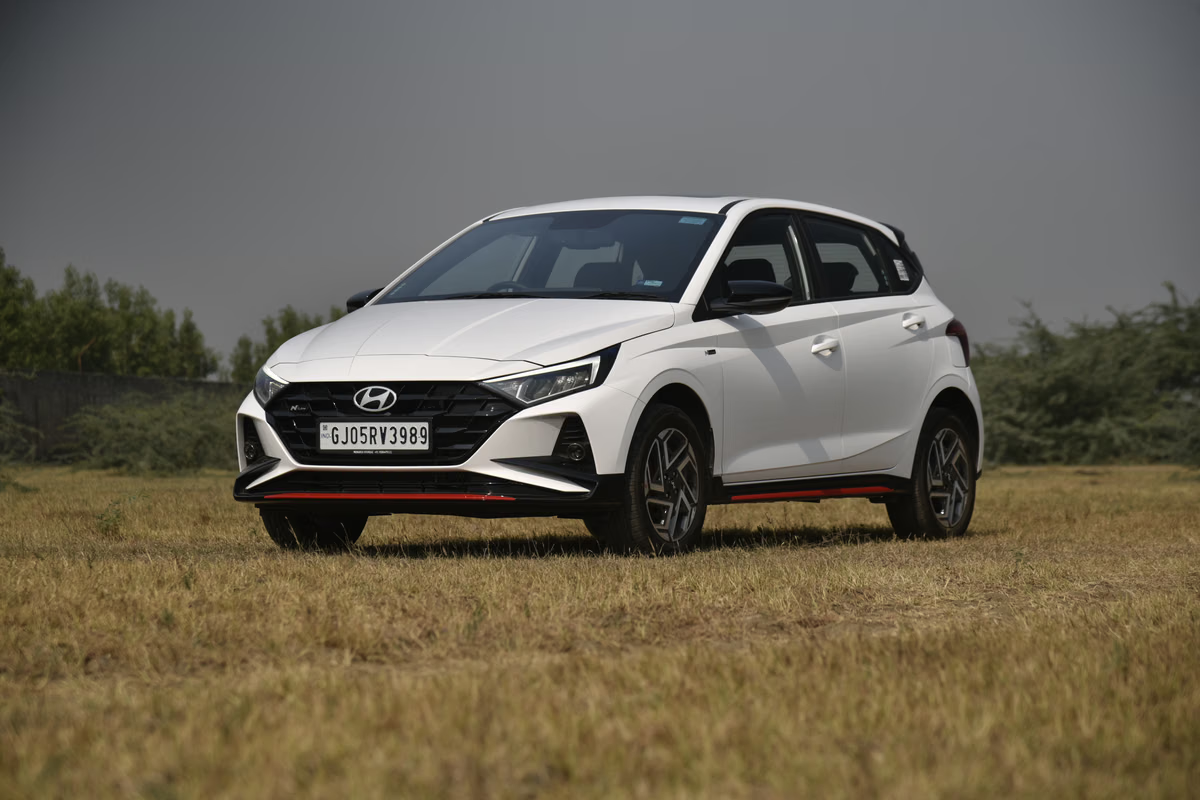
Then there's the 'All-New i20'. Now, the i20 has always been a strong contender in the premium hatchback segment, known for its style and feature-rich cabin. A new generation coming in 2026-27 means a complete overhaul – expect sharper looks, an even more loaded interior, and potentially new powertrain options. Hyundai doesn't usually hold back on tech, so a bigger touchscreen, advanced connectivity features, and enhanced safety are practically a given. Beyond these two, sources indicate two more new models, which could range from an entry-level hatchback to another compact SUV or even an electric vehicle. Hyundai isn't giving away all its cards yet, but the intent is clear: they want a strong presence across key segments.
Why This Matters for Indian Buyers
Look, in a market as competitive as India's, constant innovation is key. Hyundai understands this better than most. By bringing in four new models, they're not just expanding their portfolio; they're aiming to capture new segments and offer fresh alternatives to established players. For a buyer, this translates into a richer selection. You're not just choosing between two or three options anymore; you'll have more specific models tailored to different needs and budgets, all backed by Hyundai's strong service network.
This move also signals Hyundai's confidence in the Indian market's long-term growth. They're investing heavily, and that usually means better localization, more aggressive pricing, and features specifically developed for Indian conditions. We've seen how well their current lineup performs, from the Grand i10 Nios to the Creta, and these new additions are set to build on that legacy. It's about giving us, the customers, more bang for our buck, and honestly, it shows they're taking our market seriously.
Specs At A Glance
Feature | Bayon (Expected) | All-New i20 (Expected) | Other Models (Expected) |
|---|---|---|---|
Segment | Compact SUV | Premium Hatchback | TBA (Entry-level / Compact SUV / EV) |
Engine Options | Petrol (likely 1.0L Turbo, 1.2L NA) | Petrol (likely 1.0L Turbo, 1.2L NA) | TBA (Petrol, possibly EV) |
Transmission | Manual, iMT, Automatic (DCT/AMT) | Manual, iMT, Automatic (CVT/DCT) | TBA |
Key Features | LED lighting, large touchscreen, connected tech, sunroof, multiple airbags | Larger touchscreen, advanced connected tech, ADAS (possibly higher trims), premium interiors | TBA |
Safety | Standard safety features, multiple airbags, ESC (expected) | Enhanced safety package, multiple airbags, ADAS (on higher variants) | TBA |
Launch Timeline | 2026-2027 | 2026-2027 | 2026-2027 |
How Does It Stack Up Against The Competition?
Let's talk rivals. If the Bayon lands as a compact SUV, it'll go head-to-head with some heavyweights. We're talking about the Tata Nexon, Maruti Suzuki Brezza, Kia Sonet, and its own stablemate, the Venue. Hyundai usually excels in design and feature-packing, so it'll need a distinctive look and a feature list that pushes the envelope further than the Venue. The competition is fierce, but Hyundai typically finds a way to stand out, often with a more premium feel for the price.
The All-New i20, on the other hand, will continue its battle in the premium hatchback segment against the Maruti Suzuki Baleno and Tata Altroz. The current i20 is already a strong player, but a new generation will have to up the ante in terms of space, comfort, and possibly even offer better fuel efficiency or a more engaging driving experience. Hyundai could also introduce some segment-first features, just like they've done with previous models, to make it irresistible. They know what the Indian consumer wants: good looks, a long feature list, and decent mileage.
The Good And The Not-So-Good
What We Like
- More Choice: Four new cars mean Hyundai is aggressively targeting new segments and giving buyers more options.
- Hyundai's Design Flair: Expect sharp, modern designs that usually stand out on the road.
- Feature-Rich Interiors: Hyundai rarely disappoints when it comes to loading their cars with tech and comfort features.
- Strong Service Network: Backing of Hyundai's extensive and reliable service network across India.
- Potential for Innovation: New models often bring new technologies, improved safety, and better performance.
What Could Be Better
- Pricing Strategy: Hyundai has been creeping up the price ladder; these new models need to be competitively priced to shake up the segments effectively.
- Engine Options: We'd love to see some more exciting powertrain choices, perhaps stronger hybrid options or even a more performance-oriented variant for the enthusiast.
- ADAS Availability: While expected on higher trims, widespread availability of ADAS (Advanced Driver-Assistance Systems) across more variants would be fantastic.
- Timeline: 2026-27 is still a bit far off; the wait might feel long for eager buyers.
Price & When You Can Buy It
Given the 2026-27 timeline, specific pricing details are, understandably, a long way off. We'll likely see official figures announced much closer to their respective launches. However, based on Hyundai's current positioning, expect the Bayon to be priced competitively in the compact SUV segment, likely starting from around ₹8-9 lakh and going up to ₹13-14 lakh for top variants. The All-New i20 will probably see a slight bump over the current model, perhaps starting around ₹7.5-8 lakh.
For the other two mystery models, pricing will depend heavily on their segment. If there's an entry-level car, it'll naturally be more affordable, while another SUV or an EV would command a higher premium. The key takeaway here is that you've got ample time to start saving, and Hyundai will definitely be making a big splash with these launches over the next few years. We'll bring you more details as they emerge, so keep an eye out!
Our Verdict
Honestly, this is fantastic news for the Indian automotive landscape. Hyundai's commitment to launching four new cars within a relatively short timeframe shows they're not just playing to win; they're playing to dominate. The Bayon could be a strong contender in the compact SUV space, offering a fresh European flavour, while the new i20 will certainly keep the premium hatchback segment on its toes. In my opinion, this aggressive strategy will only push other manufacturers to innovate further, ultimately benefiting us, the buyers, with better products and more value. It's an exciting time to be an Indian car enthusiast, and Hyundai's 2026-27 lineup looks set to deliver some serious punches.