
What's The Big News?
Remember that hefty 100-110% import duty we've been grumbling about for years when looking at international cars? Well, hold onto your seats because for UK-made vehicles, that figure is about to see a dramatic drop. Word on the street, and from official circles, is that under the upcoming India-UK Free Trade Agreement (FTA), or CETA as some are calling it, car import tariffs could fall to as low as 10% for certain units. Yes, really!
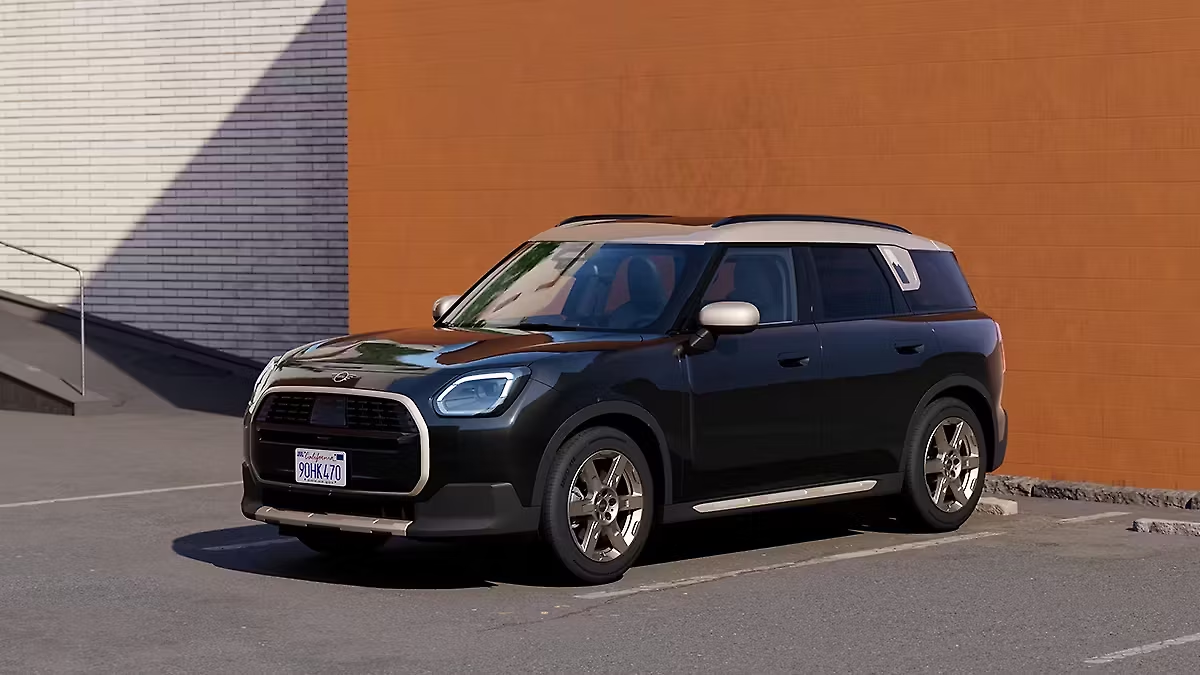
This isn't just some minor adjustment; it's a monumental shift that could redefine the premium and luxury car market in India. For years, buying a Range Rover, a Mini, or an Aston Martin meant paying almost double its factory price, effectively keeping these aspirational machines out of reach for most. Now, with quotas being set and duties being slashed, a significant barrier to entry for many British marques is about to be dismantled, making these beauties a lot more 'accessible' for the discerning Indian buyer.
British Beauties: The New Price Point on Indian Roads?
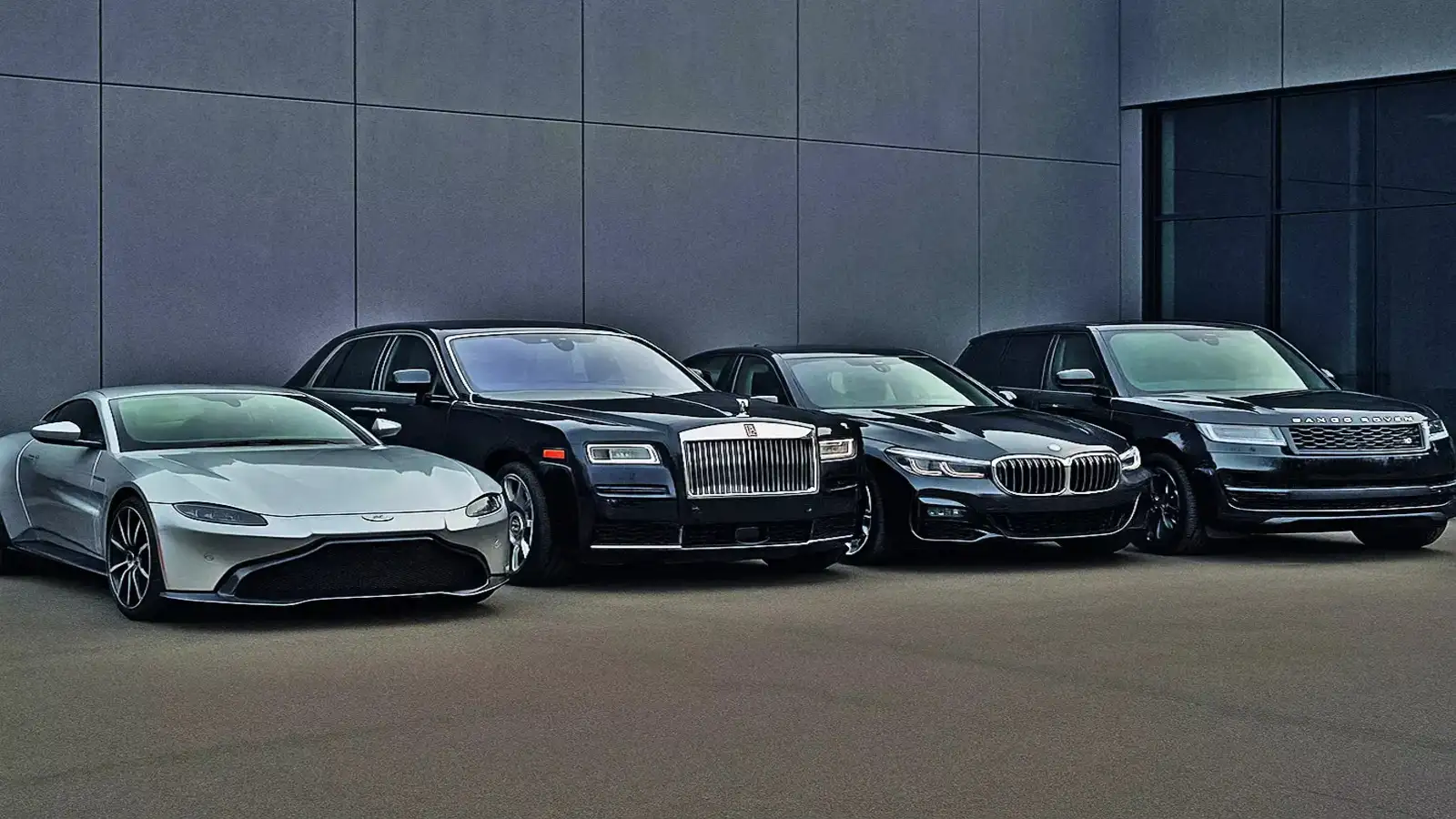
Let's talk about what this means for your dream garage. Brands like Land Rover, Mini, Aston Martin, Bentley, Rolls-Royce, and even McLaren, have always had a strong allure here, but their price tags, inflated by those crippling duties, made them exotic rarities. Currently, a premium SUV or sports car imported as a Completely Built Unit (CBU) attracts duties well over 100%, effectively doubling its base price before even local taxes kick in.
Imagine a scenario where a car that costs ₹50 lakh ex-factory (before duties) would previously land here at over ₹1 crore just in basic import cost. With a 10% duty, that same car could come in at around ₹55 lakh plus local taxes. That's a massive saving, translating to a potential price reduction of anywhere between ₹30 lakh to ₹1 crore or even more on some high-end models! This isn't about making them as cheap as a mid-spec Swift, mind you, but it definitely brings them into a more competitive zone against locally assembled luxury cars from German rivals.
It's important to remember that this isn't a free-for-all. The deal will likely involve Tariff Rate Quotas (TRQs), meaning a specific number of units will be allowed at the lower duty rate each year. This makes it a strategic play for manufacturers to bring in their halo models and generate buzz. Honestly, for enthusiasts who've dreamed of an F-Type or a Defender, this is probably the best news they've heard in years.
Beyond The Showroom Floor: What This Means for India's Auto Industry
Now, while cheaper imports sound fantastic for consumers, what about the 'Make in India' initiative and our domestic auto industry? That's a valid question, and one we always ask. The good news is that these quotas are typically limited. For higher volumes, local assembly (CKD operations) will still be the most cost-effective way for these brands to expand their presence here. This move isn't designed to flood our market with cheap imports, but rather to open up trade and provide more choice in the premium segment.
This deal could also pave the way for increased technology transfer and collaboration between Indian and UK automotive players. While the initial focus is on CBU imports, a successful run could encourage more significant investments in local assembly or even manufacturing of components in India down the line. It's a win-win, offering Indian consumers more options while potentially fostering deeper industrial ties. Look, this isn't just about the super-rich getting a slightly cheaper toy; it's about setting a new benchmark for what's possible, much like how Maruti changed the game for budget cars decades ago, this could redefine the premium segment's accessibility.
Policy Impact At A Glance
Aspect | Details |
|---|---|
Previous CBU Import Duty | 100-110% |
New CETA Import Duty | 10% (for eligible units under TRQ) |
Applicable Origin | United Kingdom |
Mechanism | Tariff Rate Quotas (TRQ) |
Expected Beneficiaries | Premium/Luxury car brands (e.g., Land Rover, Mini, Aston Martin, Bentley, Rolls-Royce, McLaren) |
Impact | Significant price reduction for CBU imports; increased market competition |
How Does It Stack Up Against The Competition?
This new trade pact definitely throws a curveball at the established luxury players in India. German brands like Mercedes-Benz, BMW, and Audi have invested heavily in local assembly, which gives them a significant cost advantage. Their higher-volume models are often assembled here, avoiding the punishing CBU duties. However, many of their top-tier models, especially sports cars and high-performance SUVs, still come in as CBUs.
The reduced tariffs for UK imports will put direct pricing pressure on these CBU offerings from other regions. Suddenly, a CBU Range Rover, which was once astronomically priced compared to a German equivalent assembled here, might become a much more attractive proposition. It will also force the Germans to re-evaluate their strategies, perhaps bringing in more limited edition CBUs or enhancing local assembly features to maintain their competitive edge. The playing field just got a lot more interesting for anyone looking at cars north of ₹70 lakh.
The Good And The Not-So-Good
What We Like
- Greater Choice: Indian buyers get access to a wider range of premium British vehicles at more attractive prices.
- Significant Savings: The duty reduction means substantial price drops on aspirational cars, making them more attainable.
- Increased Competition: This could drive innovation and better value propositions across the entire luxury car market.
- New Entrants: Opens the door for UK brands not currently present or with limited presence to enter the Indian market.
What Could Be Better
- Limited Quotas: The TRQ system means only a certain number of units will benefit from the lower duty, so not everyone will get one easily.
- Still Premium: While cheaper, these cars remain luxury items and aren't suddenly affordable for the masses.
- Awaiting Specifics: The exact list of models, specific quotas, and implementation timelines are yet to be fully detailed.
- Potential Supply Challenges: Initial demand for these 'cheaper' imports might outstrip supply, leading to longer waiting periods.
Price & When You Can Buy It
Don't expect overnight price drops just yet, but the writing is on the wall. Once the India-UK CETA is fully ratified and implemented, which is expected to happen over the next few months to a year, we'll see these tariff reductions kick in. As for specific vehicle prices, while we can't give you exact numbers for models not yet announced under the new duty structure, you can anticipate significant reductions. For a car that used to attract 100% duty, an ex-showroom price could drop by anywhere from 30% to 50% compared to its current CBU import pricing, depending on its original factory cost.
Manufacturers will undoubtedly re-jig their pricing strategies closer to the official announcement, but the savings will be substantial. Keep an eye on the news for official announcements from brands like Land Rover and Mini, as they'll likely be among the first to capitalize on this opportunity.
Our Verdict
This India-UK CETA deal is genuinely exciting for the Indian automotive scene, particularly for luxury car enthusiasts. It represents a progressive step towards opening up our markets, albeit cautiously through quotas. It's a clear signal that India is keen to diversify its offerings and foster deeper trade relationships. We feel this CETA deal, while not a silver bullet for everyone, is a significant positive shift that signals exciting times ahead for the Indian automotive landscape. More choice, more competition, and more aspirational cars becoming slightly less out of reach – what's not to like?