
What's The Big News?
Think back to 2001. If you wanted a fast Indian motorcycle back then, your choices were incredibly slim. Then Bajaj dropped a bomb on the market with the original 'Definitely Male' Pulsar twins. It changed how we looked at daily commutes forever, turning boring office runs into a thrilling drag race between traffic lights. We finally had a bike that didn't just sip fuel but actually made our hearts race.
Fast forward to today, and the legendary moniker is reportedly preparing for its silver jubilee. Word on the street is that Bajaj might mark this massive 25-year milestone by launching an entirely new generation of the Pulsar 150 this month. While the Pune-based manufacturer has kept tight-lipped, enthusiasts are already buzzing with excitement over what this means for the budget performance segment.
The Heritage Shift: What We Expect From The Next-Gen Pulsar 150
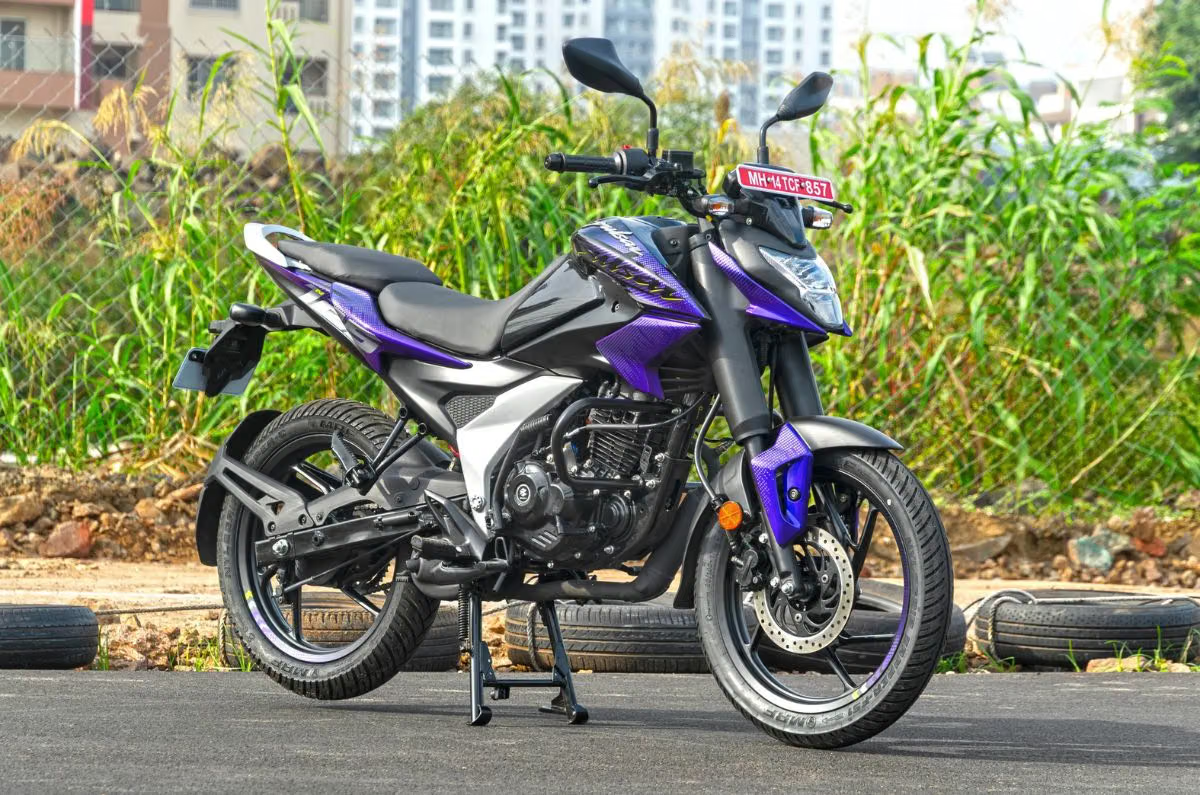
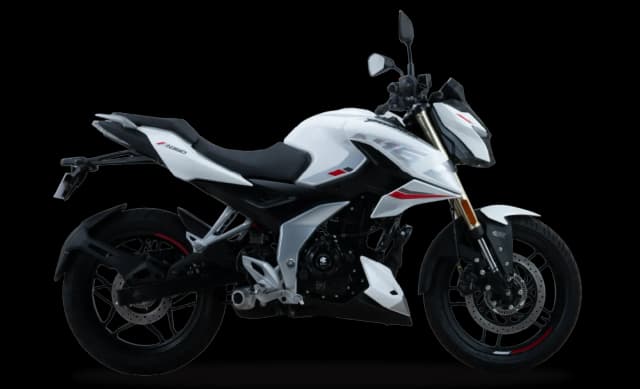
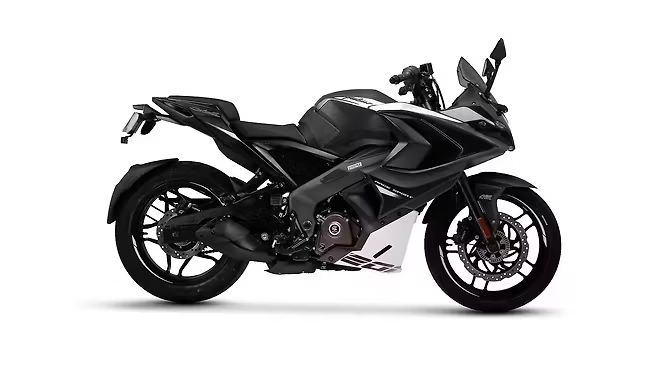
Let's be real for a second. The current Pulsar 150 has been carrying the classic bodywork for what feels like an eternity (yes, really). While Bajaj did launch the sharper N150, the old-school Pulsar 150 Single Disc and Twin Disc models still sell like hotcakes in semi-urban markets because of that iconic, muscular tank and laser-edged tail section. If Bajaj is indeed bringing a new-gen model, they have a massive tightrope to walk. They must retain that classic, muscular silhouette while modernizing the underpinnings.
We expect the new machine to borrow heavily from the modern N-platform. That means we could see the perimeter frame replaced with a lighter tubular chassis, which would instantly make the bike handle much better than the current model. The aging 149.5cc DTS-i engine is also likely to make way for the smoother, more refined 149.68cc air-cooled engine that currently powers the N150. This change would mean less vibration when you're wringing its neck on the highway, though we hope it doesn't lose that signature raw exhaust note we've all grown to love.
Why The 150cc Segment Still Matters In India
Buying a bike in India is rarely a solo decision. You have to convince your family about fuel economy, comfort, and reliability, while your own heart screams for style and speed. That's exactly why the 150cc segment remains the sweet spot. It offers a stepping stone for college students and young professionals who want something cooler than a commuter but can't afford the sky-high insurance and running costs of a 200cc or 300cc machine.
Competing in this space has become incredibly fierce over the years. With rising fuel prices, buyers are looking for bikes that can deliver over 45 kmpl without feeling sluggish when you twist the throttle. A modernized Pulsar 150 could strike that perfect balance, offering updated tech like a digital console with Bluetooth connectivity without pushing the price tag into the premium territory of the Apache RTR 160 4V.
Specs At A Glance
While Bajaj hasn't released the official spec sheet for the upcoming next-gen model, we can estimate its configuration based on the modern N-platform architecture.
Parameter | Current Pulsar 150 | Expected Next-Gen Pulsar 150 |
|---|---|---|
Engine Type | 149.5cc, Single-cylinder, DTS-i | 149.68cc, Single-cylinder, Refined Air-Cooled |
Power Output | 14 PS @ 8,500 rpm | Around 14.5 PS (Expected) |
Torque Output | 13.25 Nm @ 6,500 rpm | Around 13.5 Nm (Expected) |
Gearbox | 5-speed manual | 5-speed manual |
Chassis Type | Double cradle | Tubular frame (N-Platform) |
Instrument Console | Semi-digital | Fully digital with Bluetooth (TBA) |
How Does It Stack Up Against The Competition?
Sizing up the current crop of sporty commuters won't be a walk in the park. The TVS Apache RTR 160 2V and 4V have set the gold standard for performance and features in this segment, offering riding modes and turn-by-turn navigation that make older bikes look like relics. On the other hand, Yamaha's FZ-S FI continues to dominate the mileage-conscious crowd with its ultra-smooth engine and beefy streetfighter looks.
Pricing will be the ultimate decider for Bajaj. If they can offer the classic Pulsar look combined with the sharp handling of the N-series chassis at a price that sits comfortably below the Apache RTR 160 4V, they'll have a winner on their hands. It's all about giving the rider that big-bike feel without burning a hole in their wallet.
The Good And The Not-So-Good
What We Like
- The potential transition to a lighter, sharper N-platform chassis for better city flickability.
- Refined engine means you won't feel buzzy vibrations in your footpegs at highway speeds.
- Modern features like an LED projector headlamp and digital cluster are finally on the cards.
- The legendary muscular styling is expected to be preserved rather than replaced by a generic design.
What Could Be Better
- Single-channel ABS is likely to be retained to keep costs in check, while dual-channel would have been ideal.
- Purists might miss the raw, unrefined grunt of the old-school DTS-i motor.
Price & When You Can Buy It
Estimating the price of this upcoming icon is quite simple if you look at the current portfolio. Currently, the Pulsar 150 range starts around ₹1.10 lakh to ₹1.15 lakh (ex-showroom), while the newer N150 sits slightly higher at around ₹1.24 lakh. If this new-gen model is designed to replace the aging classic variant, we expect it to be priced somewhere in the ₹1.15 lakh to ₹1.20 lakh range to keep it accessible.
As for the launch date, rumor mills are working overtime suggesting an announcement could happen by the end of this month to kick off the brand's 25th-year celebrations. However, Bajaj hasn't sent out any official block-your-date invites yet, so we advise taking these timelines with a pinch of salt until the official invites hit our inboxes.
Our Verdict
Here's the thing — the Pulsar isn't just a motorcycle brand in India; it's an emotion. It's the bike that taught a generation of Indian riders how to pull wheelies and enjoy the thrill of motorcycling. Replacing or even heavily updating a legacy model like the Pulsar 150 is a massive gamble, but it's one that Bajaj absolutely needs to take to stay relevant against younger, tech-loaded competitors.
In my opinion, a modern-retro hybrid Pulsar that keeps the iconic roundish halogen headlamp styling but uses the modern N150's refined engine and chassis would be the ultimate tribute to its 25-year legacy. Let's hope Bajaj doesn't dilute the raw character that made us fall in love with the Pulsar in the first place.