
What's The Big News?
Indian roads are about to get a whole lot busier, and if you've been saving up for a sub-compact crossover, you might want to hold onto your chequebook for just a bit longer. A mysterious new Hyundai test mule was recently spotted doing its rounds on our roads. This isn't just any random car; it's a heavily camouflaged crossover based on the European Hyundai Bayon. What makes this sighting incredibly juicy is the company it was keeping during its highway runs.
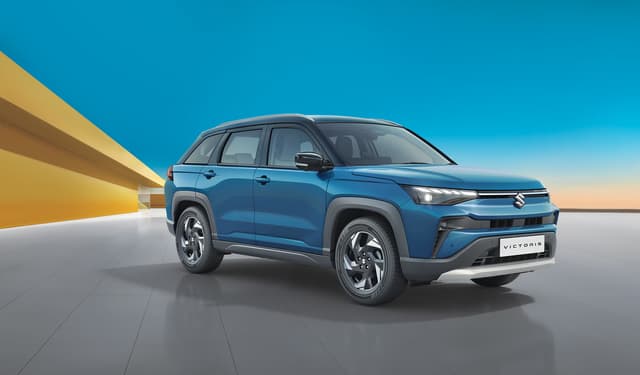
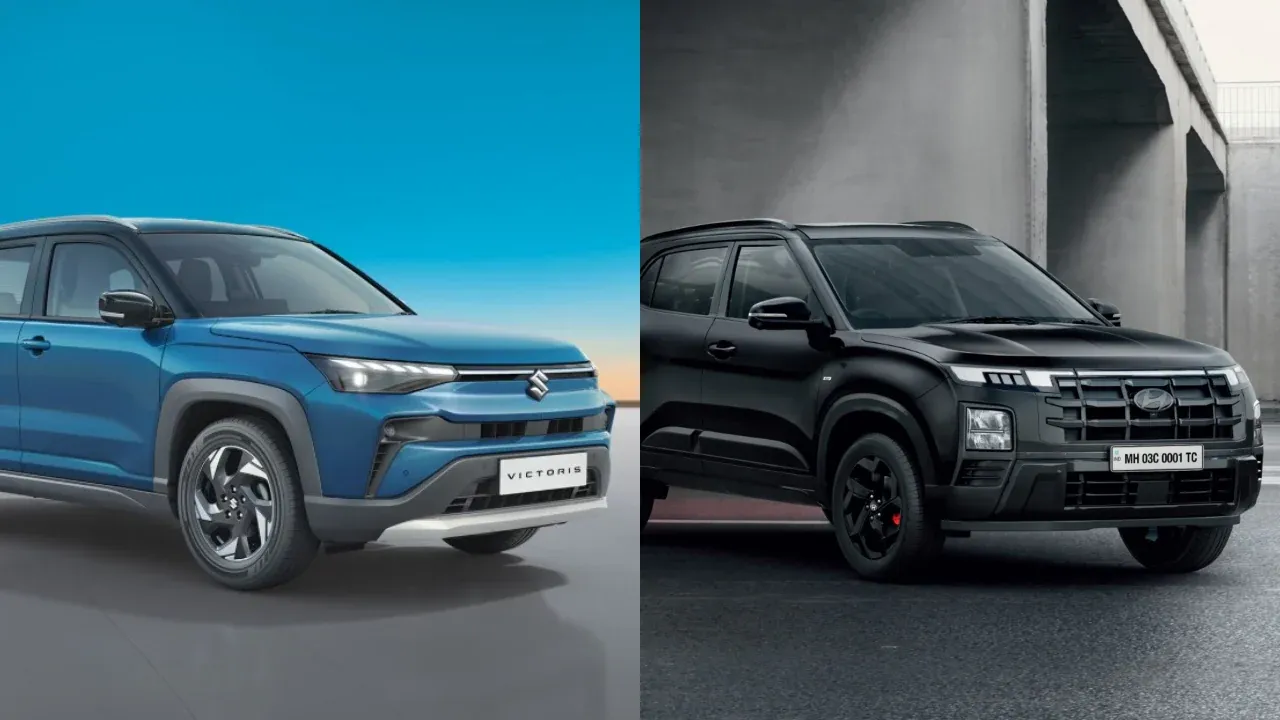
Spotted right next to it was the Maruti Victoris, which has quickly climbed the sales charts to become the second best-selling SUV in its segment, sitting comfortably just behind the mighty Creta. Hyundai is clearly benchmarking its upcoming baby crossover against the absolute best in the business. They aren't playing around, and this test run proves they want a direct piece of Maruti's pie.
A Fresh Design Language: What Can We Expect?
While the test car was wrapped tighter than a Mumbai local during peak hours, we can still make out some prominent design details. The European Bayon is known for its edgy, sharp styling, looking like a mini-Tucson from some angles. For India, we expect Hyundai to raise the ground clearance because, let's face it, our monsoon-ravaged roads will destroy anything too low. The test mule showed off a split-headlamp setup, sleek LED daytime running lights sitting high up, and a prominent front grille that screams modern Hyundai design.
Step to the side, and you'll notice a sharp, sloping roofline that gives it an athletic, coupe-like stance. This is a massive departure from the boxy, traditional SUV shape we usually see in this price bracket. Hyundai is leaving no stone unturned (and honestly, it shows) to make sure this vehicle stands out in a crowded parking lot. It looks wider and more planted than a standard hatchback, giving you that road presence you desperately want without the massive footprint of a mid-size SUV.
What Lies Under The Hood?
Powering this upcoming crossover will likely be a set of very familiar engines. We expect Hyundai to deploy their trusty 1.2-litre naturally aspirated four-cylinder petrol engine for the entry-level variants to keep the starting price highly competitive. For those who want a bit of zip when overtaking on the highway, the 1.0-litre three-cylinder turbo-petrol engine is almost a certainty. This is the same punchy motor we've enjoyed in the i20 N Line, and it should make this lightweight crossover a hoot to drive.
Transmission duties will likely be handled by a mix of options. You can expect a standard 5-speed manual for the budget-conscious buyer, a smooth AMT or intelligent manual transmission, and hopefully, a lightning-quick 7-speed dual-clutch transmission (DCT) for the turbo-petrol variants. If Hyundai plays their cards right, this setup will offer a much more engaging drive than what Maruti gives you at this price point, especially if you prefer a proper automatic over a sluggish AMT.
Specs At A Glance
Feature / Spec | Expected Configuration |
|---|---|
Engine Options | 1.2L NA Petrol / 1.0L Turbo Petrol (Expected) |
Max Power | TBA |
Transmission | 5-speed MT / AMT / 7-speed DCT (Expected) |
Ground Clearance | TBA (Likely around 180mm+) |
Key Features | Digital Cluster, Large Touchscreen, Sunroof, LED Headlamps |
How Does It Stack Up Against The Competition?
Taking on the Maruti Victoris is no small feat. Maruti has nailed the formula with spacious interiors, phenomenal fuel efficiency, and a ride quality that glides over potholes. It has quickly secured the number two spot in the segment for a reason. Buyers love its hassle-free ownership experience and high resale value. Hyundai's challenger will have to offer something significantly more premium to sway these buyers away from Maruti showrooms.
Another major rival is the Tata Nexon, which has been a darling of the Indian market thanks to its stellar safety rating and robust build. To compete, Hyundai must pack this new crossover with top-tier safety features, including six airbags as standard, electronic stability control, and perhaps even some basic ADAS tech on the top-spec trims. It won't be easy, but if anyone can challenge Maruti and Tata's dominance, it's Hyundai.
The Good And The Not-So-Good
What We Like
- Sharp, modern design language that stands out from the boxy crowd.
- Punchy 1.0L turbo-petrol engine option for driving enthusiasts.
- Hyundai's reputation for premium cabin quality and segment-first features.
What Could Be Better
- Rear headroom might be slightly tight due to the sloping roofline.
- Ride quality could be on the stiffer side if they stick too close to the European suspension tuning.
Price & When You Can Buy It
Hyundai hasn't officially confirmed the launch timeline or the official name of this crossover just yet. However, industry insiders suggest we could see a market debut sometime in late 2024 or early 2025.
When it comes to the price tag, we expect Hyundai to position this right in the sweet spot. Pricing is expected in the ₹8 Lakh to ₹13 Lakh range (ex-showroom). This puts it squarely in the territory of mid-to-high spec hatchbacks and entry-level compact SUVs, making it a very tempting upgrade for someone who wants more style and features than a standard family car.
Our Verdict
Here's the thing — Hyundai knows exactly how to read the pulse of the Indian car buyer. They did it with the Creta, they did it with the Venue, and they're looking to repeat history with this new Bayon-based crossover. It's clear that they aren't content with just letting Maruti run away with the compact segment.
By benchmarking it directly against the Victoris, they are aiming straight for the bullseye. If they can price it right and load it with the tech we've come to expect from the brand, we feel this could be the next big blockbuster on Indian roads.