
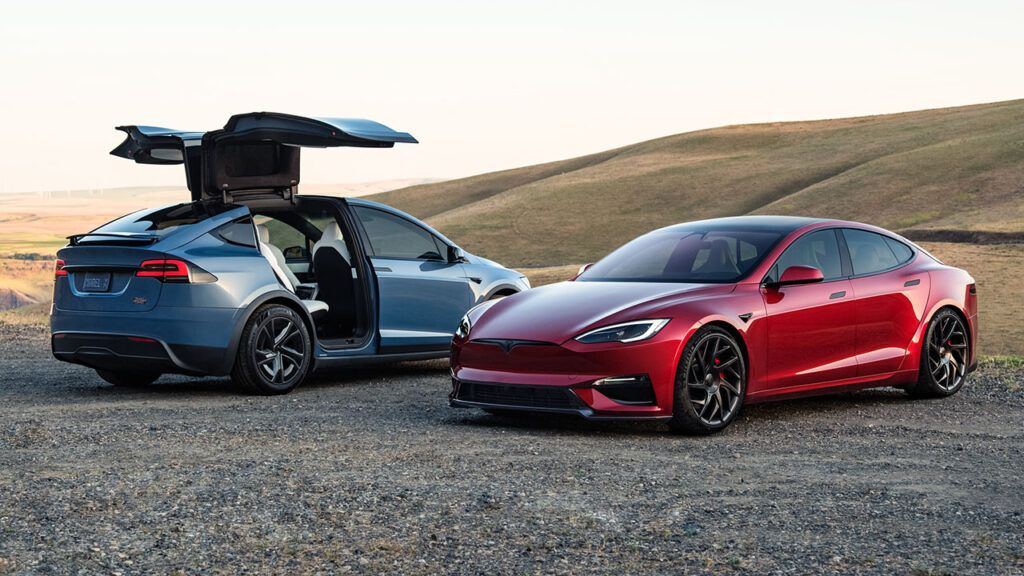
Tesla has officially brought an end to the production of its long-running flagship models, the Tesla Model S and Tesla Model X. These two electric vehicles were among the earliest offerings from the brand and played an important role in building Tesla’s global presence. CEO Elon Musk confirmed the update, stating that custom orders have now been closed, and only a limited number of units remain available in inventory.
The decision follows earlier hints shared during Tesla’s January earnings call. At the time, Musk mentioned that the company would gradually stop production of the Model S and Model X at its Fremont facility in California. The plant is now being prepared for a new phase, where Tesla plans to manufacture its Optimus humanoid robots at scale. The company is targeting an annual production capacity of up to one million units, which shows how its priorities are shifting beyond cars.
Tesla also informed existing customers through email about this change. The message acknowledged the importance of both models, noting that they helped start the transition toward electric mobility on a global level. It also highlighted how these vehicles contributed to the development of Tesla’s autonomous driving technology, which remains a key focus for the brand going forward.
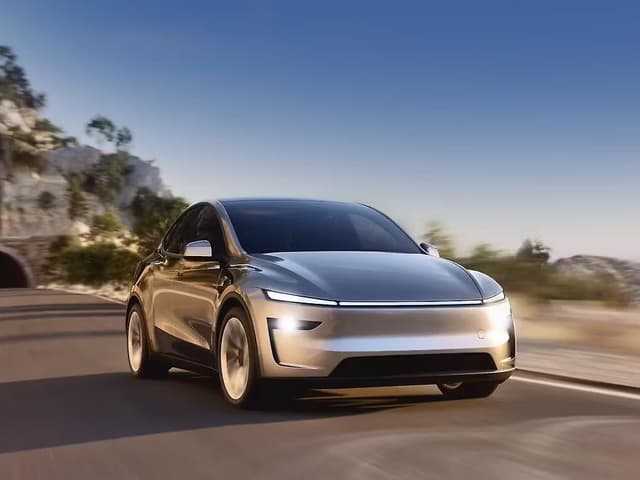
In terms of market performance, demand for the Model S and Model X has been declining for some time. Buyers have increasingly moved toward more accessible options like the Tesla Model 3 and Tesla Model Y. These two models now make up the majority of Tesla’s overall sales. Recent delivery data shows that the Model 3 and Model Y together account for a large share of the company’s total vehicle deliveries.
While production has come to an end, the Model S and Model X remain important in Tesla’s history. They helped shape the early electric vehicle market and set the foundation for the brand’s growth.