
What's The Big News?
Tata Motors isn't resting on its laurels. Fresh off the success of models like the Nexon and Punch, the company is planning a slew of new vehicles aimed at solidifying its position in the Indian market. We're talking facelifts, all-new EVs, and maybe even a surprise or two.
While details are still emerging, we've pieced together a likely timeline of Tata's upcoming launches. Get ready for a mix of familiar names with updated tech and completely new models designed to take on the competition head-on. It's an exciting time to be a Tata fan!
Tiago.ev Facelift: A Fresh Start
First up, expect a refreshed Tiago.ev. It's already a popular entry-level EV, and this facelift should bring it in line with Tata's newer design language. Think sleeker headlights, a redesigned bumper, and maybe even some interior tweaks. The goal? To keep it competitive against the growing number of affordable EVs hitting the market. (And honestly, it shows—the current design is getting a bit long in the tooth.)
Expect improvements to the battery pack and motor as well. This could mean a longer range and slightly better performance. Nothing earth-shattering, but enough to make a noticeable difference in everyday driving. The charging times might also see a reduction, addressing one of the biggest concerns for EV buyers.
Nexon Facelift: Sharper Looks, More Tech
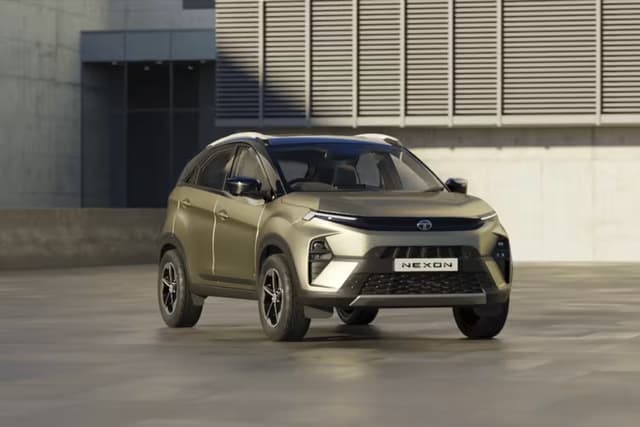
Following the Tiago.ev, the Nexon is also due for an update. This is a crucial model for Tata, so expect a comprehensive overhaul. The design will likely be inspired by the Curvv concept, giving it a more futuristic and aggressive look. Inside, a larger touchscreen infotainment system and a digital instrument cluster are almost guaranteed.
Under the hood, the Nexon is expected to retain its existing engine options, but they could be tweaked for better fuel efficiency and performance. A new gearbox option might also be on the cards. Safety will be a key focus, with more advanced driver-assistance systems (ADAS) likely to be offered on higher trims.
Harrier and Safari Facelifts: Premium Push
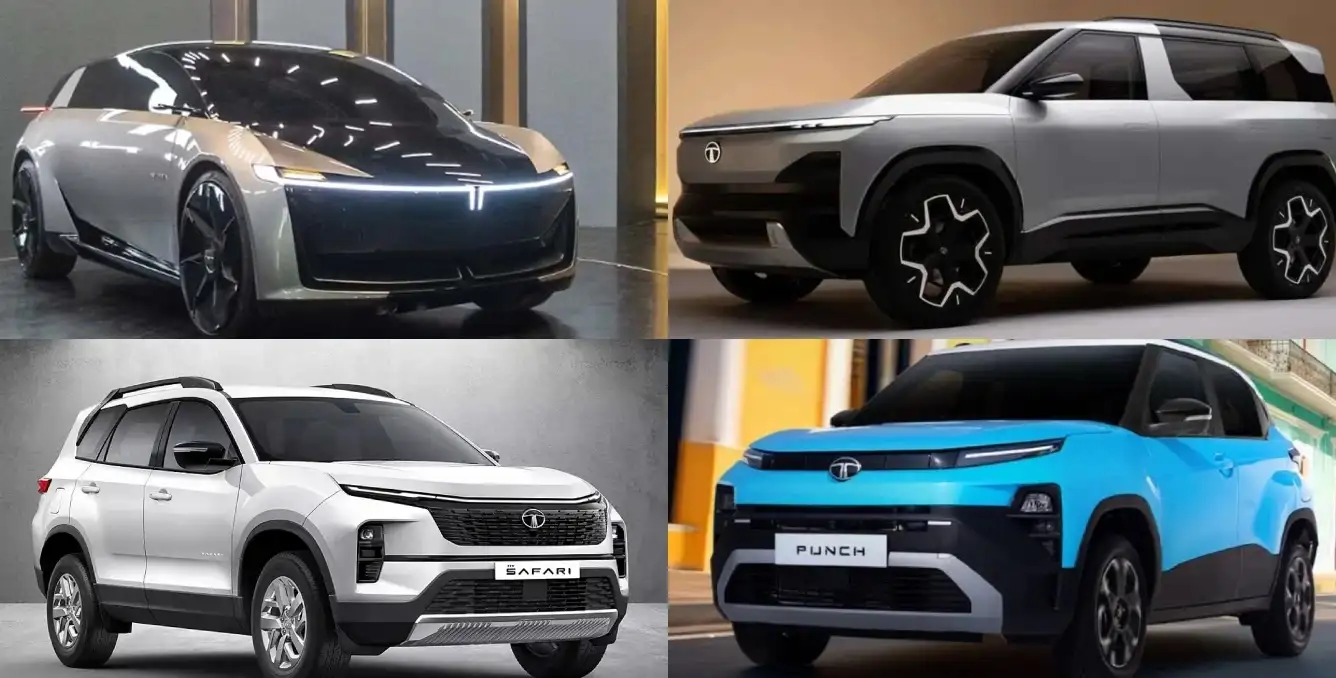
Tata's flagship SUVs, the Harrier and Safari, are also set to receive significant updates. These facelifts will likely focus on enhancing their premium appeal. Expect redesigned exteriors with bolder grilles, updated lighting, and new alloy wheel designs. The interiors will probably get a makeover with higher-quality materials and more tech features.
A major addition could be the introduction of petrol engines in these SUVs. This would make them more accessible to a wider range of buyers and address concerns about diesel engine restrictions. The existing diesel engine will likely be updated to meet the latest emission norms.
Curvv: The Coupe-SUV Disruptor
The Curvv is perhaps the most exciting new model in Tata's pipeline. This coupe-SUV will slot in between the Nexon and Harrier, offering a unique blend of style and practicality. Its sleek design and sloping roofline will definitely turn heads. (Yes, really—it looks fantastic in concept form.)
The Curvv will be available in both petrol/diesel and electric versions. The EV variant is expected to offer a long range and fast charging capabilities. Inside, expect a modern and feature-rich cabin with all the latest tech. If priced right, the Curvv could be a game-changer for Tata.
Avinya: The Electric Future
The Avinya is Tata's vision for the future of electric mobility. This concept car showcases a radical design and a focus on sustainability. While the production version may be toned down slightly, it's expected to retain many of the key design elements. Think spacious interiors, advanced connectivity features, and a long driving range. The launch timeline for this is later down the road; closer to 2026.
Punch.ev: Electrifying the Micro-SUV Segment
Seeing the success of the Punch, an EV version makes complete sense. It will likely feature similar styling to its ICE counterpart but with EV specific design cues. Expect a decent range for city commutes and competitive pricing to attract first-time EV buyers. It will be a very interesting segment to watch!
Specs At A Glance
Model | Expected Launch | Powertrain | Key Features |
|---|---|---|---|
Tiago.ev Facelift | Late 2024 | Electric | Updated design, improved range |
Nexon Facelift | Mid 2024 | Petrol, Diesel | Curvv-inspired design, ADAS |
Harrier Facelift | Late 2024 | Petrol, Diesel | Premium upgrades, new features |
Safari Facelift | Late 2024 | Petrol, Diesel | Premium upgrades, new features |
Curvv | 2025 | Petrol, Diesel, Electric | Coupe-SUV design, advanced tech |
Avinya | 2026 (Expected) | Electric | Radical design, sustainable materials |
Punch.ev | 2025 | Electric | Compact EV, affordable |
How Does It Stack Up Against The Competition?
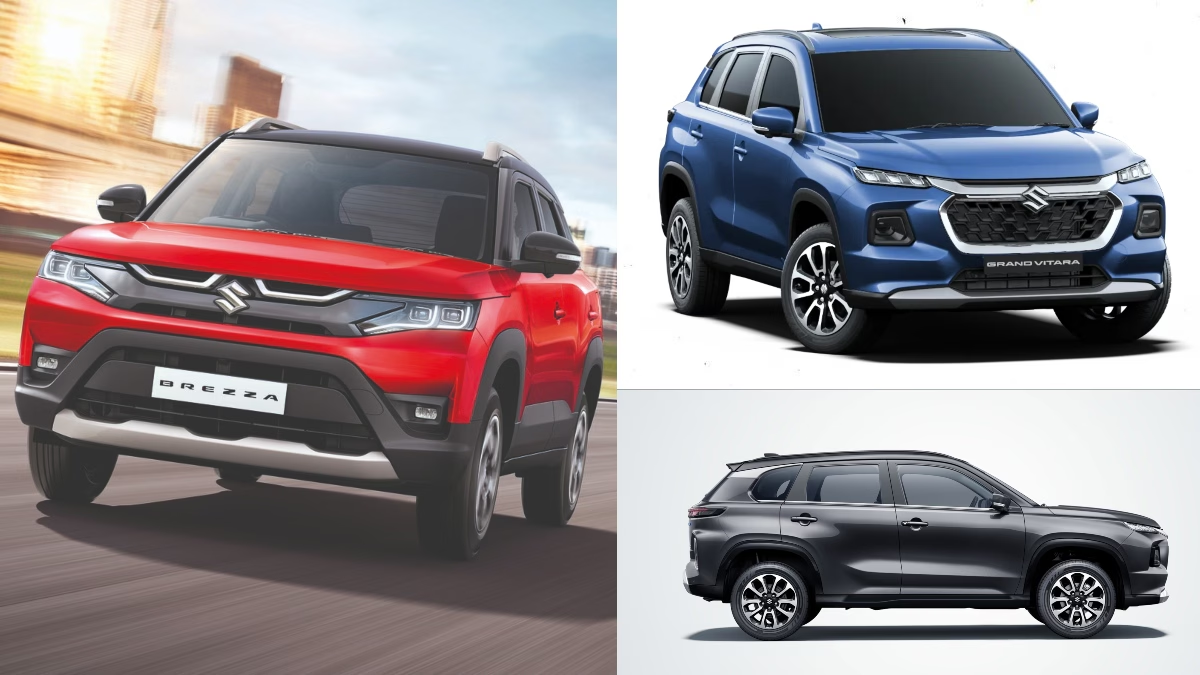
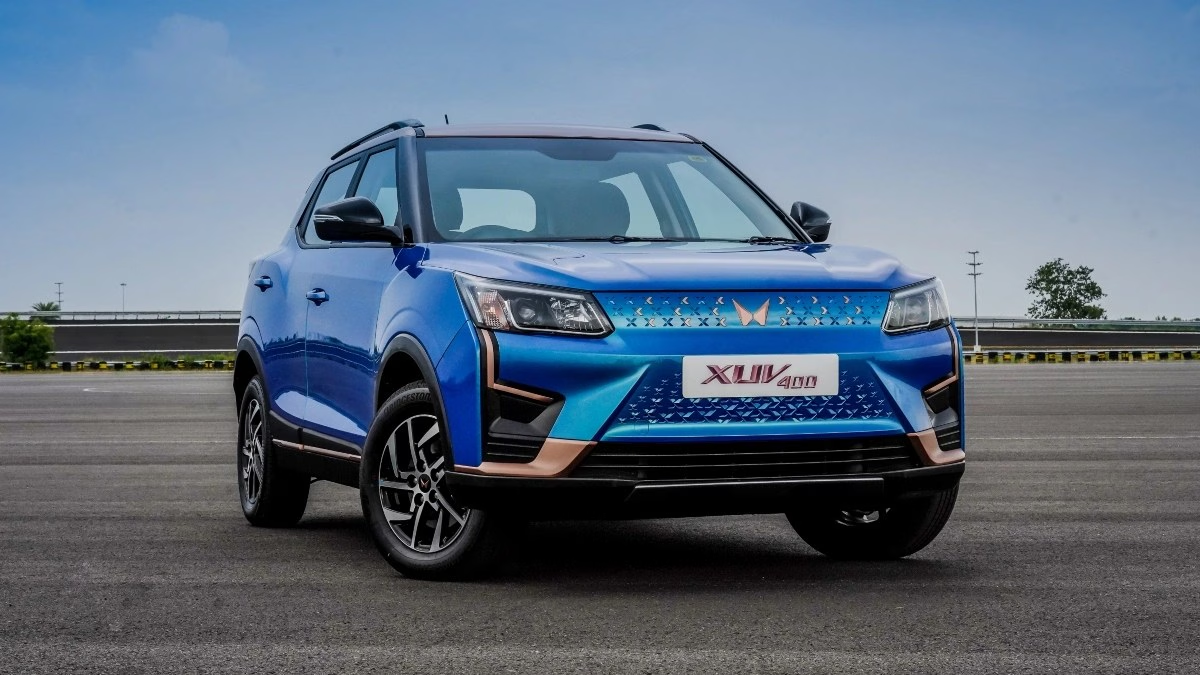
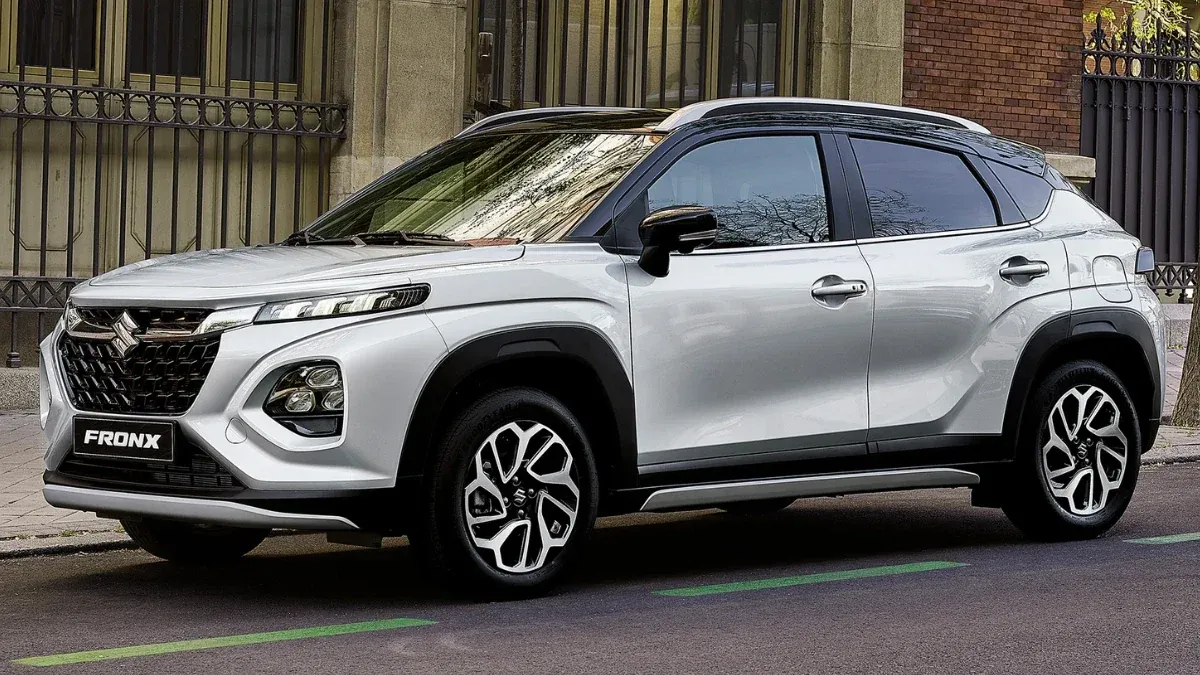
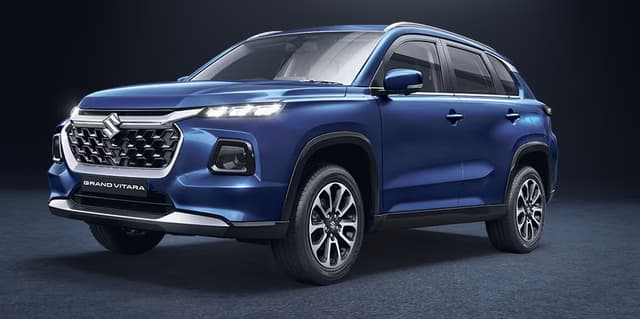
Tata's upcoming lineup will face stiff competition from the likes of Maruti Suzuki, Hyundai, and Mahindra. The Nexon will battle it out with the Hyundai Venue and Maruti Suzuki Brezza. The Harrier and Safari will take on the Mahindra XUV700 and MG Hector. The Curvv will compete in a unique space, while the Tiago.ev and Punch.ev will target budget-conscious EV buyers.
The Good And The Not-So-Good
What We Like
- Aggressive product strategy
- Focus on EVs
- Bold designs
- Emphasis on safety
What Could Be Better
- Consistent quality control
- Improved after-sales service
- Faster EV charging infrastructure
Price & When You Can Buy It
Pricing for the updated models and new launches will be announced closer to their respective launch dates. Expect the Tiago.ev facelift to remain in the ₹8–12 lakh range. The Nexon facelift could see a slight price increase. The Curvv's pricing will be crucial to its success, while the Avinya will likely be positioned as a premium EV.
Our Verdict
Tata Motors is clearly serious about its future in India. Its upcoming lineup is a mix of fresh designs, updated technology, and a strong push towards electric mobility. If Tata can deliver on its promises and maintain its competitive pricing, it has the potential to become a major force in the Indian auto market. In my opinion, the Curvv and Avinya are the most exciting models to watch out for. They represent a bold new direction for Tata, and they could redefine the way we think about Indian cars.