
What's The Big News?
Just when you thought you'd saved enough for that new Maruti Suzuki, here comes another price hike. Maruti Suzuki has announced that prices across its entire range will be increased starting in June. This isn't exactly shocking news, given the rising input costs that manufacturers have been facing. But still, it hits the pocket, doesn't it?
So, before you finalize that booking, let's dive into the details. We'll break down what's causing this hike, how much you can expect to pay extra, and whether it still makes sense to buy a Maruti Suzuki in this market.
Why The Price Hike?
Carmakers always blame it on "rising input costs", don't they? Maruti Suzuki is no different. They're citing increased costs for raw materials, logistics, and even stricter safety regulations as the reasons behind this price adjustment. Basically, everything is getting more expensive, and they're passing some of that burden onto the consumer. It's a tale as old as time.
The important thing is that Maruti Suzuki absorbs some of the costs. And, they're doing what they can to keep prices competitive. So, it's not all doom and gloom; it could be worse. The car market is still sensitive to price, so they know they can't go too crazy with the increases.
How Much More Will You Pay?
Here's the part everyone wants to know. The official announcement states that the price hike will vary across different models. It depends on the specific car and its variant. Maruti hasn't given exact figures for each model just yet, which is a bit annoying. Expect a range of roughly ₹5,000 to ₹15,000 on most models, maybe a bit more on the higher-end ones.
Keep an eye on the official Maruti Suzuki website for the updated price list. Your local dealer will also have the latest information. Better to confirm the exact on-road price before you make any commitments.
Specs At A Glance
Model | Engine | Power | Torque | Mileage |
|---|---|---|---|---|
Maruti Suzuki Alto 800 | 0.8L Petrol | 47 bhp | 69 Nm | 22.05 kmpl |
1.2L Petrol | 88 bhp | 113 Nm | 23.76 kmpl | |
1.5L Petrol | 102 bhp | 136.8 Nm | 25.51 kmpl | |
1.5L Petrol Hybrid | 114 bhp (Combined) | 141 Nm (Petrol) | 27.97 kmpl |
How Does It Stack Up Against The Competition?
Even with the price hike, Maruti Suzuki still holds a competitive edge in the Indian market. Let's see how it stacks up against some key rivals:
- Hyundai: Hyundai cars often offer more features than Maruti Suzuki at a similar price point, but Maruti typically has the edge in fuel efficiency and maintenance costs. The Hyundai i20, for example, competes with the Maruti Suzuki Baleno.
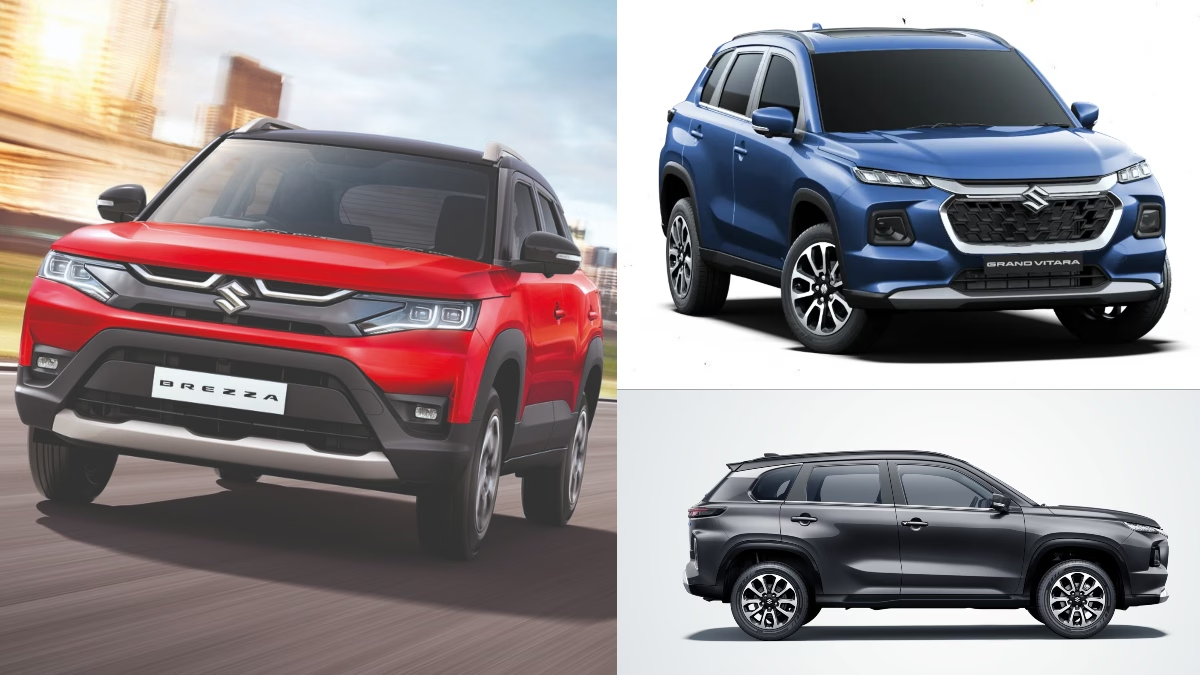
- Tata Motors: Tata has been making waves with its stylish designs and focus on safety. The Tata Nexon and Punch offer strong alternatives to the Maruti Suzuki Brezza and Ignis, respectively. However, Maruti's widespread service network remains a key advantage.
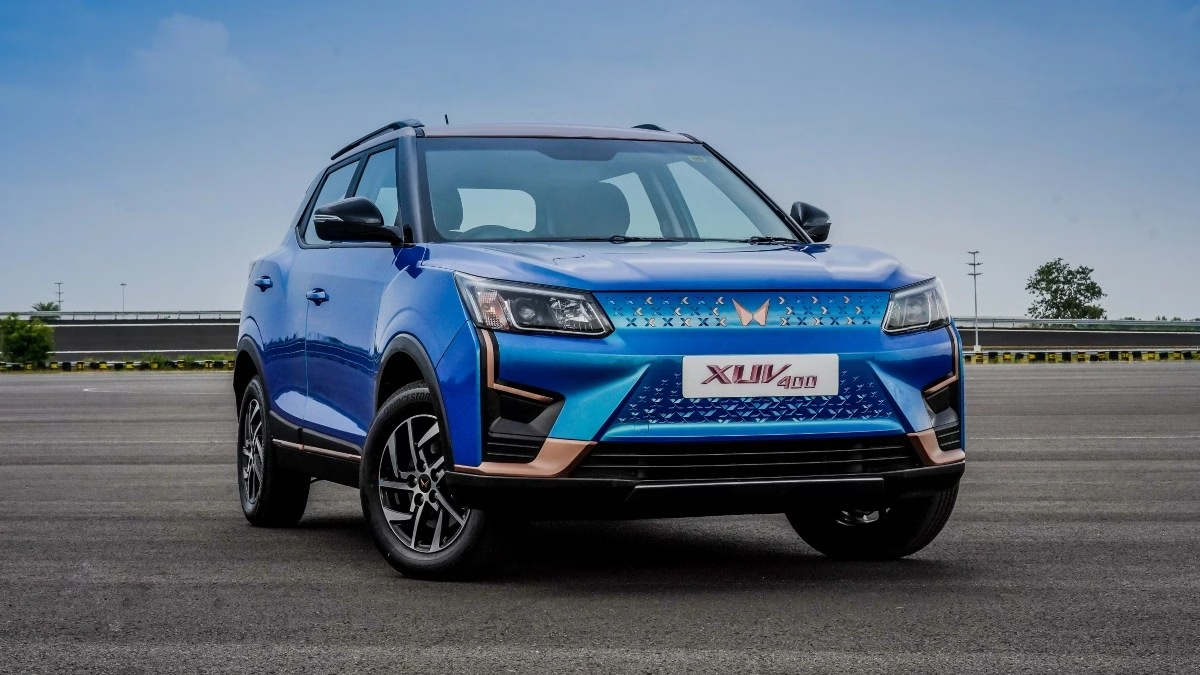
- Mahindra: Mahindra focuses more on SUVs and rugged vehicles. The Mahindra XUV300 rivals the Brezza, offering a different driving experience.
The Good And The Not-So-Good
What We Like
- Wide range of models to choose from
- Excellent fuel efficiency
- Extensive service network across India
- Relatively affordable spare parts
What Could Be Better
- Some models feel a bit dated compared to rivals
- Safety features could be improved in certain cars
- Interiors can feel a bit basic at times
Price & When You Can Buy It
The price hike is effective starting June 2024. The exact amount will vary depending on the model and variant you choose. Contact your local Maruti Suzuki dealer for the most up-to-date pricing information. If you're already booked a car, check with the dealer to confirm if the new pricing affects your booking (it probably will, unfortunately).
Our Verdict
A price hike is never good news for buyers, but it's a reality we often have to deal with. Maruti Suzuki cars still offer a compelling value proposition, especially for those prioritizing fuel efficiency and reliability. Just be sure to do your research, compare models, and factor in the increased cost when making your decision. Honestly, a slight price increase shouldn't deter budget-conscious buyers from considering Maruti Suzuki.